

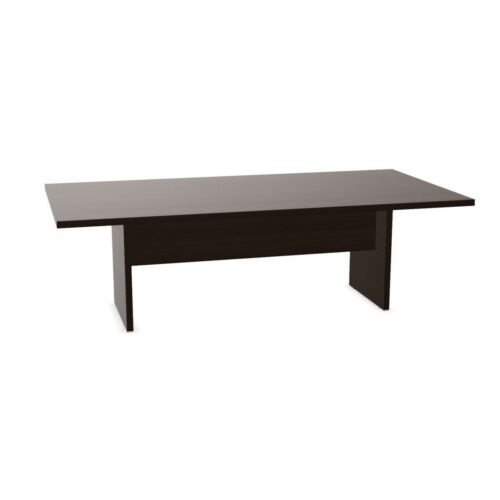
Brown Bases Under Tops Rounded Both Sides

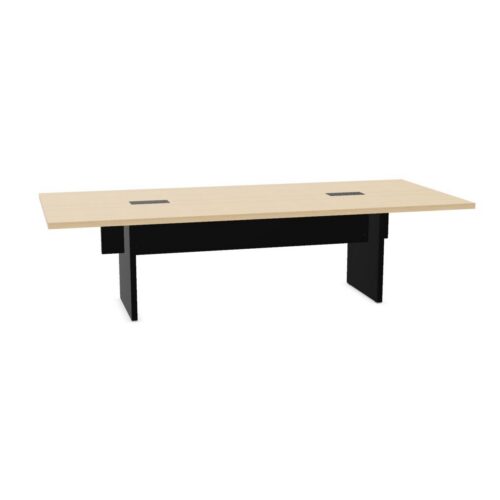
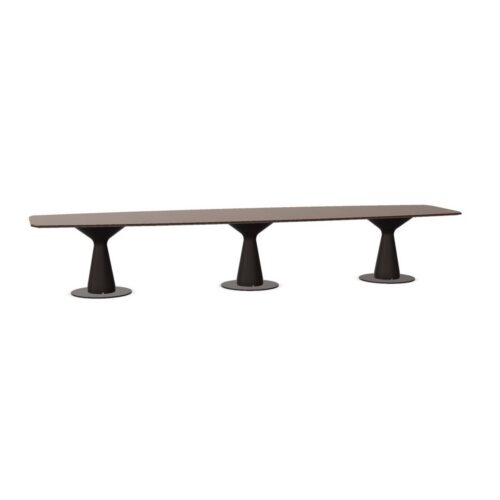
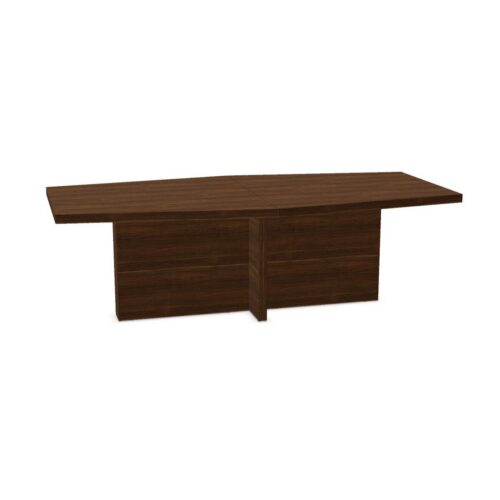
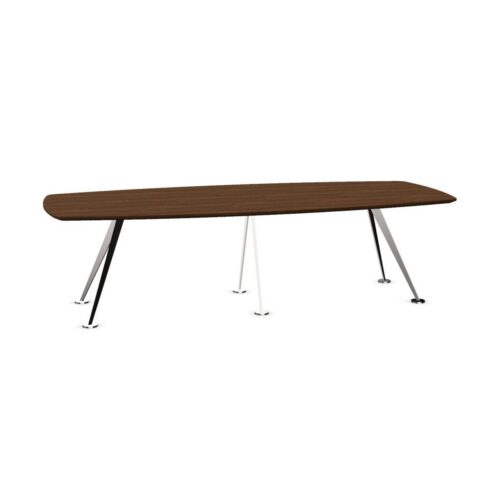
Conference tables with tops rounded on both sides and brown bases bring together a curved meeting surface and a brown element below it. This combination can be considered alongside existing brown tones in a room, but matching the base to every surrounding finish is unnecessary. The more useful starting point is how the tabletop outline supports conversation and how the base color relates to the furniture already in place.

In an established meeting room, review the chairs, storage and floor together before deciding what the table should connect visually. Brown can recur in several different tones, so a shared color name does not guarantee a close match. Then arrange chairs along the actual rounded sides and walk through the room’s normal meeting routine. Check entry, seating, access to shared documents and movement toward presentation equipment. These practical relationships give the curved top and brown base a clear place within the wider setting.

8 models
From €12.16 p/m
30 models
From €16.42 p/m
5 models
From €25.05 p/m
13 models
From €8.10 p/m
5 models
From €10.64 p/m
26 models
From €8.36 p/m
10 models
From €29.42 p/m
2 models
From €51.00 p/m
2 models
From €15.33 p/m
15 models
From €3.34 p/m
7 models
From €26.55 p/m
19 models
From €11.23 p/m
14 models
From €6.72 p/m
€54.31 p/m
15 models
From €47.50 p/m
86 models
From €12.55 p/m
2 models
From €54.17 p/m

Conference Tables With Tops Rounded on Both Sides and Brown Bases

Use the existing room as the starting point for evaluating this combination. Identify which brown elements are already prominent and which are background details. A brown base may connect with those elements, but differences in tone can remain noticeable when furniture sits close together. At the same time, the rounded sides establish a tabletop outline that needs its own seating plan. Consider the visual relationship and the working arrangement separately before bringing them together. A table can fit the room's palette while still requiring changes to chair positions, circulation or the location from which participants view a presentation.

Arrange Chairs for Conversation Around the Curve

Place chairs where people can face the discussion without repeatedly adjusting their position. Along rounded sides, the angle between neighboring places can differ from that of chairs arranged in a straight line. Review how participants turn toward one another and where shared papers are likely to sit. Brown-base conference tables with rounded sides should also be checked below the surface: the actual base configuration affects where feet and chair legs can move. Avoid inferring that configuration from the color. Keep the seating arrangement responsive to the tabletop outline while leaving a clear route behind people who are already seated.

Coordinate Brown Without Assuming a Material

Brown describes the base color here; it does not establish what the base is made from. Compare the visible color with nearby furniture without assuming a matching material or finish. A room can use related brown tones without making every item identical, particularly when chairs or flooring provide a clear visual separation. If several brown elements sit directly beside each other, examine whether their differences look intentional. Rounded meeting tops with brown bases can also sit within a room where brown appears only below the tabletop, allowing the base to connect with the lower part of the furniture arrangement.

Review the Room Between Meetings

Think about the moments when people arrive, leave and prepare the room for its next use. Check where chairs rest when unoccupied, where bags tend to accumulate and whether storage doors remain accessible. The rounded tabletop sides may alter where someone pauses to speak with a colleague, so avoid placing that natural stopping point across the main route. View the brown base with chairs both occupied and tucked in, since its visual prominence will change. Assessing rounded-sided conference tables with brown bases through these ordinary routines helps connect the color choice to the way the room is actually maintained and used.

Questions About Brown Bases and Rounded Tops

Must the brown base match existing storage?

An exact match is unnecessary. Compare the tones where they will be seen together and decide whether the relationship feels deliberate. Chairs, flooring and the distance between furniture can all influence how strongly a difference in brown is noticed.

Does a brown base mean a wooden base?

No. The selected property identifies brown as the base color. It does not establish a material, construction method or surface treatment, so those details should remain separate from decisions about the room's color scheme and furniture arrangement.

Where should the seating review begin?

Begin with the usual discussion positions around the rounded sides. Then check shared document access, views toward presentations and movement behind occupied chairs. This sequence keeps the tabletop outline connected to the actual meeting tasks rather than to appearance alone.

For conference tables with tops rounded on both sides and brown bases, map the intended seats before deciding how the table will sit within the room.

Keep conference tables with tops rounded on both sides and brown bases in view while comparing placement, access and the surrounding interior.

Explore related selections