

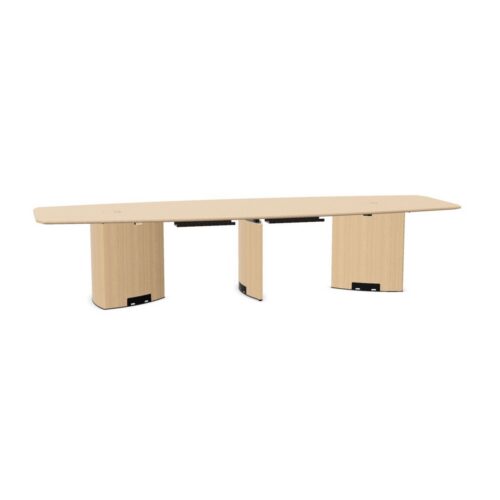
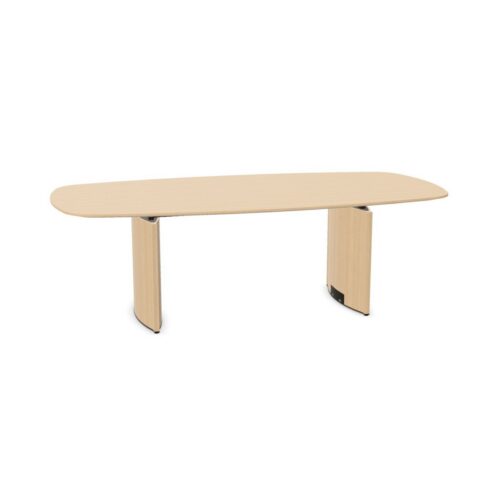
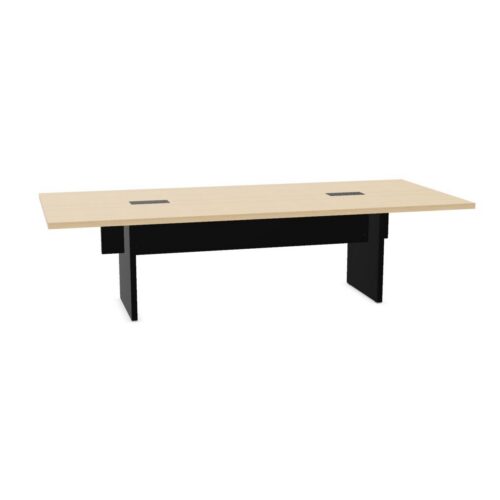
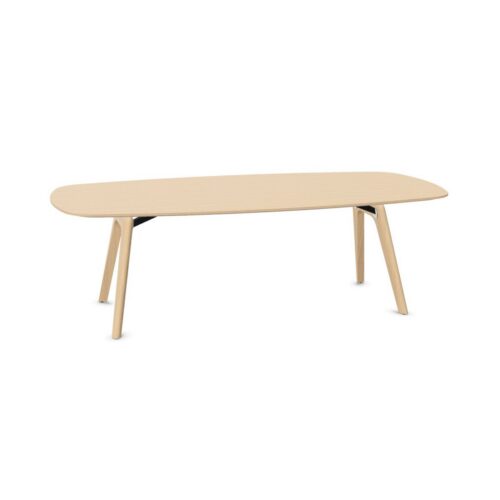
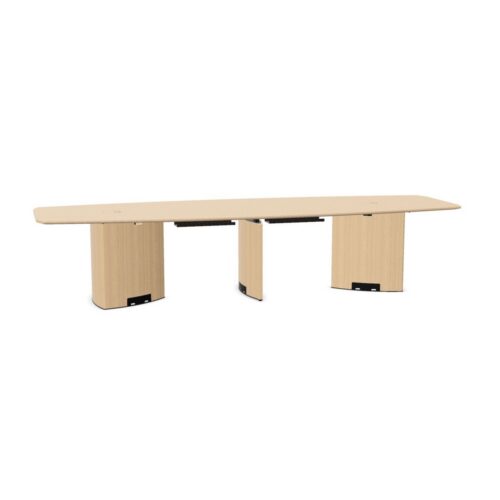
White Bases Supporting Tops Rounded on Both Sides

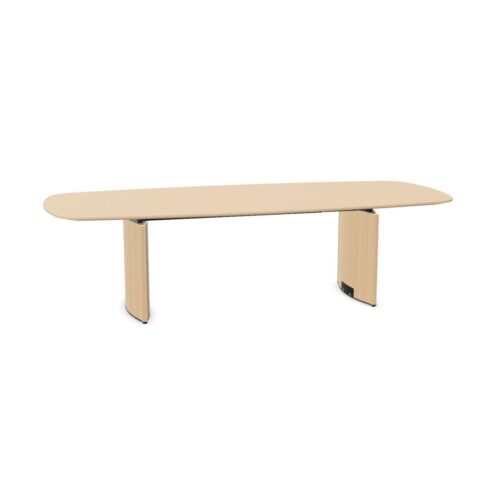
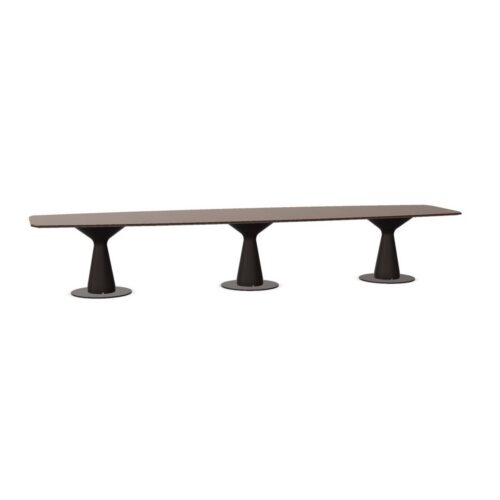
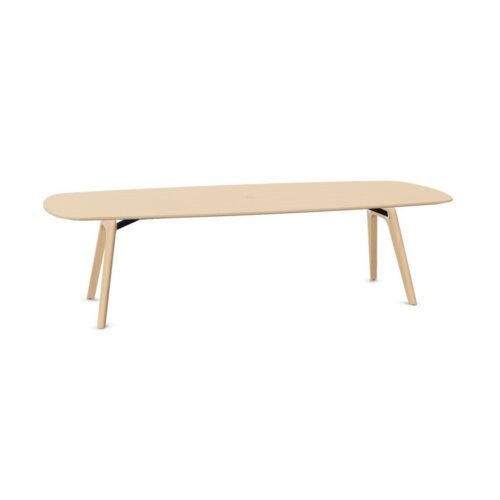
Conference tables with tops rounded on both sides and white bases bring a curved meeting surface together with a light base color. Consider how the rounded outline fits the intended seating arrangement and how white relates to nearby chairs, walls and storage. These choices work together: the contour shapes the meeting area, while the base color influences how distinctly the supporting structure appears within it.

White can connect with pale furnishings or stand apart from a darker floor, depending on the room. Compare the actual tones rather than assuming all white elements will match. For layout planning, establish the main focus of meetings before positioning the table. Participants may need to address each other, follow a wall display or move between discussion and shared notes. Check those activities against the rounded sides, chair positions and access to the base area beneath the top.

Price on request
8 models
From €12.16 p/m
8 models
From €30.83 p/m
30 models
From €16.42 p/m
5 models
From €25.05 p/m
2 models
From €9.37 p/m
13 models
From €8.10 p/m
5 models
From €10.64 p/m
2 models
From €125.31 p/m
€25.85 p/m
3 models
From €39.32 p/m
2 models
From €18.08 p/m
2 models
From €5.54 p/m
18 models
From €42.84 p/m
8 models
From €23.66 p/m

Comparing conference tables with tops rounded on both sides and white bases

Look at the table in the context of the room's existing light surfaces. White walls, storage fronts and chair details can create continuity with the base, though their tones may differ. Decide whether those differences are acceptable before treating the colors as a match. Against a darker floor, the base may become more noticeable; beside pale furniture, it may appear less separate. Neither relationship determines whether the layout works. Assess the rounded tabletop outline at the same time, especially from the entrance, where the shape and the visible portion of the white base will be read together as part of the meeting area.

Arrange Seats Around the Actual Curves

The rounded sides should inform where chairs sit and the direction participants face. Start with the conversation pattern, then adjust chair positions to follow the usable edge comfortably. If meetings involve a display, check whether those same positions provide a useful view. Do not assume that evenly spaced chairs produce the most practical arrangement. The relationship between the curved top and the supporting structure also needs attention. Rounded-side meeting tables with white bases should be assessed with chairs in place so you can see where people sit, turn and stand, as well as how much of the base remains visible.

Keep the Room's Visual Hierarchy Clear

With rounded conference tops and white bases, decide what should attract attention first: the meeting surface, the seating group or the presentation area. If the room contains several pale elements, differences in color can help separate them visually without adding another strong accent. If chairs provide the main color, consider whether white gives them an appropriate background. Review the view from seated positions as well as the doorway, since the base can appear quite different through the chair arrangement. Keep the comparison focused on visible color relationships. A white base does not establish its material, surface treatment or maintenance needs.

Preserve Access to Writing and Storage Areas

A meeting room often includes more than seated conversation. People may walk to a writing surface, retrieve documents or approach a presenter. Map those movements before settling the table orientation. Check the points where the rounded sides come closest to an occupied chair or a frequently used route. A curve changes the perimeter but does not replace the need for usable circulation. Keep access to storage independent of whether someone has pushed a chair in neatly. This helps the arrangement remain practical throughout a meeting, when people and materials occupy the room differently from the way it looks when prepared and empty.

Frequently Asked Questions

Will the base match existing white storage?

The shared color description does not guarantee a match. Compare the actual tones together and decide whether a close relationship is necessary or whether a visible difference works within the room.

How should chairs follow the rounded sides?

Use the actual tabletop contour and the meeting's main focus to guide placement. Check conversation angles, display views and access beneath the top instead of relying on a familiar straight seating row.

Can white work with a dark floor?

Yes, as a deliberate color contrast. When assessing conference tables with rounded sides and white bases, consider how prominently the base appears against the floor and how that relates to the chairs and walls.

Keep conference tables with tops rounded on both sides and white bases in view while comparing placement, access and the surrounding interior.

Compare how conference tables with tops rounded on both sides and white bases relates to chair positions and shared views in the intended room.

Explore related selections