

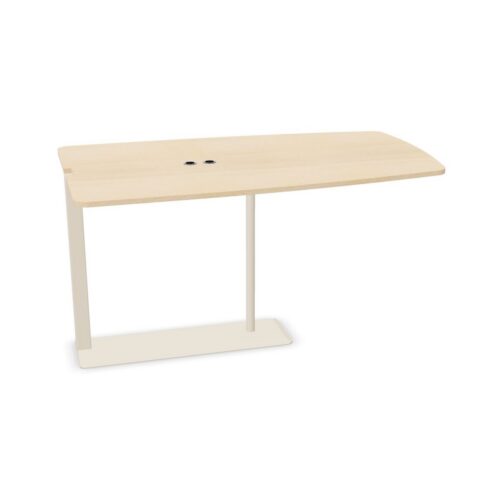
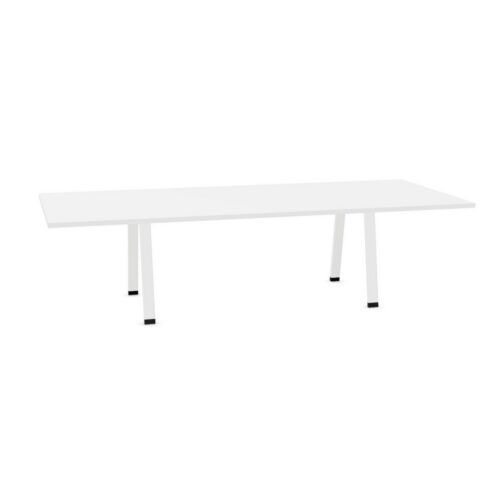
White Table Bases for Shared Conference Spaces

Conference tables with white bases place a light-colored support beneath the meeting surface. This can relate to white storage, wall finishes or chair details, or create a visible contrast with darker elements. The effect depends on the complete room palette and lighting. White identifies the base color alone; it does not establish the tabletop finish, the construction or the arrangement of the supports.

Begin with the room’s existing finishes and the meeting activities it needs to support. Consider whether the base should blend with nearby light elements or remain distinct from the floor and chairs. Then check the actual support layout against the intended seating. A visually coordinated base still needs to allow a practical relationship between chairs, working positions and circulation. Assess the arrangement from the entrance and from seated viewpoints, including the room conditions used for discussions and shared-screen presentations.

3 models
From €20.05 p/m
2 models
From €28.04 p/m
€9.29 p/m
€9.94 p/m
2 models
From €9.51 p/m
€31.41 p/m
€11.34 p/m
2 models
From €19.95 p/m
2 models
From €10.48 p/m
4 models
From €7.81 p/m
2 models
From €8.94 p/m
4 models
From €9.16 p/m
2 models
From €30.93 p/m

Placing Conference Tables With White Bases

Look at where white already appears in the room before deciding how the base should relate to the interior. Walls, storage fronts and chair components may offer reference points, but their tones can differ under the same lighting. Conference tables with white bases should therefore be considered within the actual palette rather than treated as an automatic match for every light surface. Decide which relationship matters most: continuity with nearby furniture, contrast against the floor or a connection with other room details. This gives the color choice a clear purpose while leaving the tabletop and seating arrangement open to separate practical assessment.

Reviewing Light Tones Under Room Lighting

A white base can appear different as nearby colors and lighting conditions change. Review it in relation to the floor, chair frames and the underside of the intended tabletop. Consider the lighting used for ordinary discussion as well as any changes made when a display is in use. These comparisons help establish whether the base remains visually distinct or blends with its surroundings. Do not infer reflectivity, gloss or surface behavior from the color name. Those characteristics require separate information. Focus the color assessment on the visible relationship between room elements and avoid assuming that every white finish will have the same appearance.

Separating Visual Continuity From Chair Access

A coordinated palette does not establish a workable seating arrangement. Inspect where the supports meet each intended working position and how participants approach their chairs. For conference tables with white bases, the same practical questions apply regardless of the surrounding color scheme: can people sit comfortably, adjust their position and move behind occupied seats? Check views toward shared content and access from the entrance at the same time. The base color provides no evidence about its geometry or construction. Assess the actual arrangement with the intended chairs so a visually unified room also supports the way meetings are conducted throughout the working day.

Choosing a Relationship With the Tabletop

White bases can be considered alongside different tabletop colors without implying any particular material or shape. Review whether the surface and support should appear closely related or visually separate. Bring the chairs and nearby storage into that comparison, since the tabletop is not viewed alone. A contrasting top may make the base more apparent, while a similar tone may connect the components visually. Neither relationship determines seating access or meeting suitability. Keep those functional checks independent. For shared rooms, agree which color relationships should guide future furniture changes so the interior can remain coherent even when individual elements are replaced or rearranged.

Frequently Asked Questions

Will a white base match existing white furniture?

Not necessarily. White tones can appear different beside one another and under different lighting. Assess the intended base alongside the existing finishes, deciding if you want a close visual relationship or a deliberate distinction.

Does the base color determine the tabletop finish?

No. Conference tables with white bases specify the support color. The top's color, material and shape remain separate considerations. Compare the complete combination with the room palette while assessing its practical meeting arrangement independently.

What should be checked beyond the color scheme?

Review the actual supports, chair positions, screen views and circulation around the occupied table. Color does not establish construction or performance. The arrangement should support everyday discussion, access to seats and movement through the room.

Explore related selections