

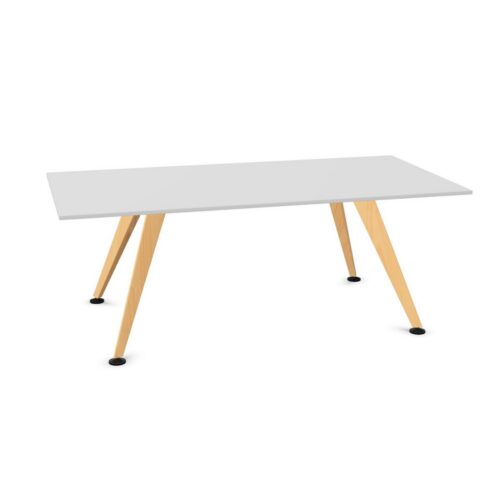
HPL Conference Tables With Rounded Sides

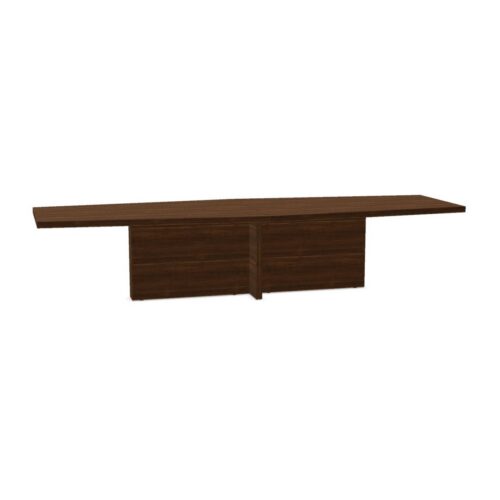
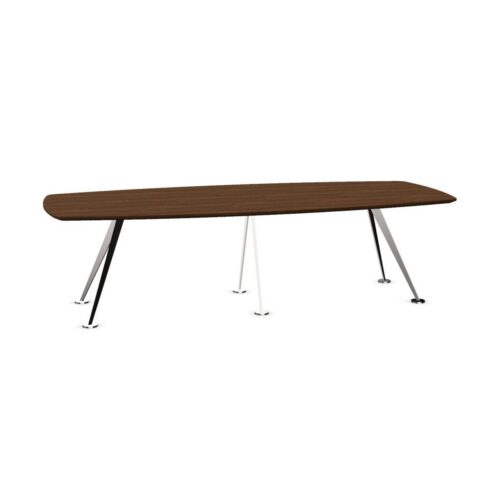
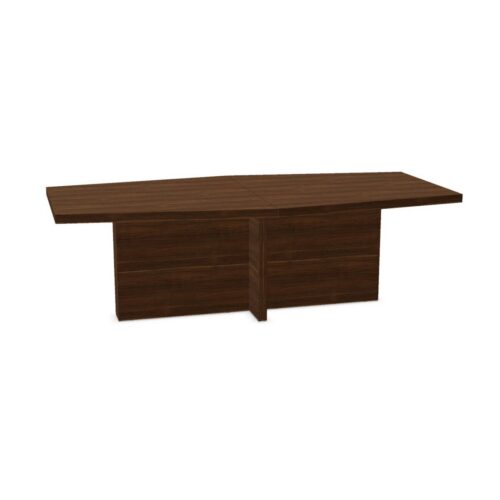
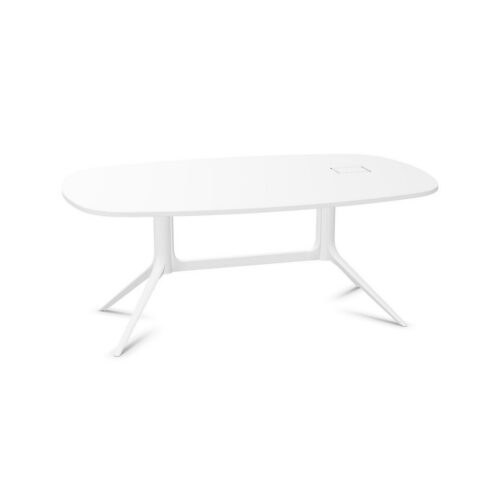
Conference tables with tops rounded on both sides and HPL tops bring together a rounded-side outline and an HPL working surface. When comparing this combination, consider the shape’s relationship to seating before deciding where the table belongs in the room. A layout for presentation-led meetings may need a different orientation from one intended mainly for discussion. The selected material provides another point of comparison, but it does not establish a particular finish, construction or set of additional features.

For HPL conference tables with rounded sides, map the room’s fixed elements first: the entrance, presentation wall and storage access. Then place the table and chairs around those requirements. Examine how the rounded sides relate to the main walking route and to the areas where participants will work with papers or devices. This process connects the chosen shape and surface to everyday use without assuming that the material resolves layout decisions on its own.

18 models
From €27.49 p/m
18 models
From €42.84 p/m
8 models
From €23.66 p/m
10 models
From €14.47 p/m
5 models
From €6.67 p/m
10 models
From €29.42 p/m
2 models
From €51.00 p/m
3 models
From €164.95 p/m
3 models
From €54.65 p/m
2 models
From €11.99 p/m
5 models
From €57.99 p/m
24 models
From €23.43 p/m
4 models
From €36.10 p/m
10 models
From €48.26 p/m
31 models
From €25.60 p/m
2 models
From €15.33 p/m
7 models
From €26.55 p/m
19 models
From €11.23 p/m
14 models
From €6.72 p/m
€54.31 p/m
15 models
From €47.50 p/m
2 models
From €54.17 p/m

Orienting Conference Tables With Tops Rounded on Both Sides and HPL Tops

Start by identifying what participants most often face. A presentation wall creates a directional requirement, while open discussion puts more emphasis on views across the tabletop. Position the table accordingly, then review seats along the rounded sides. Those positions may involve different viewing angles, so include them explicitly in the plan. If meetings alternate between conversation and presentations, test both activities before settling the orientation. The useful arrangement is the one that lets participants change their focus without repeatedly moving furniture or interrupting the route around the table.

Separate Material Choice From Added Features

An HPL top identifies the selected tabletop material. It does not, by itself, confirm cable access, a particular edge treatment or a specific supporting structure. Keep those questions separate when assessing suitability for the room. For rounded-side HPL conference tables, compare the actual surface appearance with surrounding finishes and confirm any additional requirements independently. This avoids letting a material label stand in for a fuller assessment. The rounded outline and the HPL surface should each have a clear place in the decision, alongside the practical arrangement of the meeting space.

Organize Shared and Individual Work

Mark where participants will place their own notes, documents or devices, and distinguish those areas from the space used for shared meeting materials. Follow the actual tabletop boundary when doing this exercise. The curved portions may influence how chairs relate to the surface and to one another, so a uniform seating pattern is not always the best starting point. HPL tables with rounded sides should support the intended work arrangement without requiring people to overlap their materials. Keep the main shared reference area visible from the seats that will use it.

Protect Access Behind Occupied Chairs

Review circulation with the room in use. Chairs pulled back from the surface change the route around a table, and a curved boundary still needs to be considered in full. Check the path from the doorway to the seating area, along with access to storage or presentation controls. A person entering during a session should have an understandable route to an available chair. Where the room also accommodates standing discussion beside the table, account for that activity in the same plan. Treat walking space as part of the meeting arrangement from the outset.

Frequently Asked Questions

Do rounded sides guarantee good views of a display?

No. The view depends on the display location, table orientation and intended chair positions. Assess each of those together, including seats along the rounded portions. A plan that works for discussion across the table may need adjustment when attention turns toward a presentation wall.

What can be inferred from an HPL tabletop?

HPL establishes the tabletop material. It does not establish the table's other features or the precise appearance of the surface. Review the actual finish in the room context and confirm any separate requirements, such as technology arrangements, through information specific to the table.

How should shared documents be positioned?

Place them where the intended participants can see and use them without covering individual work areas. Test that arrangement against the rounded-side outline and the proposed seating. If people regularly turn toward a display, also consider whether shared papers remain accessible when their attention changes.

Keep conference tables with tops rounded on both sides and hpl tops in view while comparing placement, access and the surrounding interior.

Compare how conference tables with tops rounded on both sides and hpl tops relates to chair positions and shared views in the intended room.

Explore related selections