

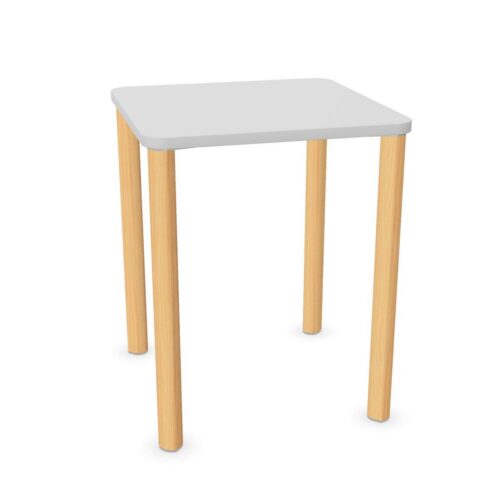
Yellow Bases for Square Conference Tables

Conference tables with square tops and yellow bases combine an orderly tabletop shape with a yellow accent beneath it. Straight edges give a clear starting point for arranging chairs, while the base color can connect with selected room details or introduce a separate visual element. The actual effect depends on the surrounding finishes, lighting and visibility of the supports once the seating is in place.

Consider where yellow should sit within the room’s overall composition. It might appear only at the table base, or relate to an existing accent without being repeated everywhere. At the same time, examine how the square top fits the entry route, presentation wall and nearby furniture. A visually distinctive base does not change the need for usable chair positions or clear passage around corners. Assess the color and layout together so the table belongs within the room as people use it throughout a meeting.

6 models
Price on request
11 models
From €6.67 p/m
26 models
From €9.74 p/m
5 models
From €8.33 p/m
6 models
From €11.06 p/m
2 models
From €7.72 p/m
12 models
From €9.73 p/m
4 models
From €10.09 p/m
9 models
From €6.29 p/m
6 models
From €9.94 p/m
19 models
From €17.99 p/m
2 models
From €11.64 p/m
2 models
From €11.07 p/m
3 models
From €45.80 p/m
4 models
From €17.30 p/m
6 models
From €27.31 p/m
2 models
From €13.51 p/m
4 models
From €13.28 p/m
6 models
From €5.45 p/m
5 models
From €8.10 p/m
19 models
From €11.23 p/m
5 models
From €5.45 p/m
5 models
From €4.94 p/m

Assessing Conference Tables With Square Tops and Yellow Bases

Start by looking at the meeting area under its usual lighting. Yellow can appear different beside pale walls, darker flooring or neighboring colored furniture, so judge the actual combination in context. Consider the view from the entrance and the view at seated level, where chair frames may partly conceal the base. Decide whether the supports should be a noticeable accent or relate more closely to existing details. The square outline remains an equally important part of the composition, particularly when the table sits near storage or other furniture arranged along straight room lines.

Allowing Color to Remain Localized

A yellow base does not require yellow chairs, walls or accessories. Keeping the accent beneath the tabletop may suit a room where the surrounding finishes already have a clear relationship. If yellow is repeated elsewhere, select the connection deliberately and compare the actual colors together. Avoid relying on color names to establish a match. Also consider how much of the accent is visible during a meeting, rather than only when chairs are absent. The useful comparison is between complete room arrangements, including seating and nearby furniture, rather than isolated colored components.

Keeping Square Corners Out of Busy Routes

When placing conference tables with square tops and yellow bases, identify the path people use most often. It may run from the doorway to a chair, from seating to a writing surface or past the meeting area into another room. Keep tabletop corners away from the narrowest part of that path. Then assess chair movement along each edge. A clear walkway beside an empty table can become obstructed when participants sit down or stand. Check access to storage and presentation controls as part of the same review, especially if those features are used during discussions.

Reviewing Seating and Shared Material Together

A square surface gives participants a defined edge from which to work, but meeting habits should determine the final seating arrangement. Consider where documents are placed, how people face one another and when they need to turn toward a display. Inspect the actual supports beneath the top before assigning chair positions; yellow identifies appearance without describing the base configuration. Near the corners, check that neighboring chairs do not interfere when people adjust their position. The resulting arrangement should let participants use the room naturally while keeping the base color integrated with the wider interior.

Frequently Asked Questions

Does yellow make the meeting room brighter?

Yellow adds a color accent, but it does not establish the room's lighting conditions. Assess conference tables with square tops and yellow bases under the actual working light, and judge visibility and illumination separately from the furniture color.

Can yellow remain the only accent color?

Yes. A localized accent can work with a consistent surrounding palette. Look at the table together with chairs, flooring and storage to decide whether the yellow base feels intentional without additional matching objects elsewhere in the room.

Which route deserves the earliest layout check?

Begin with the main approach from the entrance, then review movement to the features used during meetings. Check those routes with chairs occupied. The table's square corners and people moving back from the edges both affect how freely colleagues can pass.

Explore related selections