

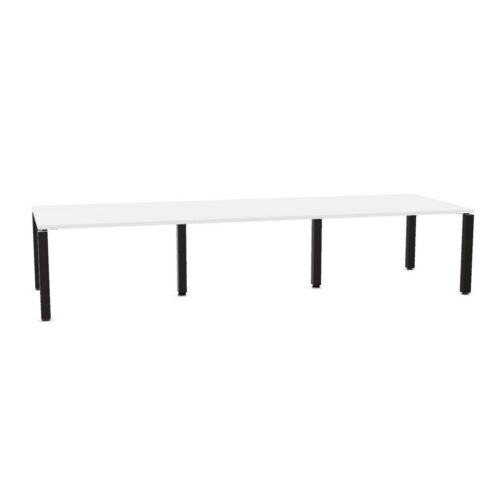
Yellow Bases Beneath Rectangular Meeting Tables

Conference tables with rectangular tops and yellow bases combine straight-edged meeting geometry with yellow beneath the surface. The shape offers a clear starting point for placing chairs and orienting discussion, while the base introduces a color that deserves assessment alongside the floor and surrounding furniture. Decide whether yellow should connect with existing room details or appear mainly around the meeting table.

Consider the room in use before settling its visual balance. Chairs can change how much of the base is visible, and their position affects the routes people take around the rectangular corners. If the room also hosts presentations, check screen views from the intended seats rather than relying on the table’s alignment alone. Assess the support arrangement directly when considering legroom and chair approach. Yellow identifies the base color, while its physical relationship with seating needs a separate review within the overall room plan.

2 models
From €19.95 p/m
6 models
From €6.07 p/m
3 models
From €5.41 p/m

Placing Conference Tables With Rectangular Tops and Yellow Bases

Use the room's activities to establish the table position before working through the color scheme. Identify where people enter, where discussion takes place and where shared information is displayed. The rectangle creates a clear direction, but that direction should support those activities. Check the routes around its corners with chairs occupied, especially near a door or shared cabinet. Once the position works, assess how the yellow base appears from the main approach. This view can reveal whether the color connects with surrounding elements or stands apart. Repeat the assessment from seated positions, where chairs and the tabletop change the visual relationship.

Deciding Where Yellow Should Reappear

A yellow base can relate to chair details, artwork or another room accent without requiring an identical color throughout the space. Choose the connection deliberately. A repeated detail near the table creates a different effect from a yellow element beyond the meeting area. If other strong colors are present, assess them together so the relationship is clear. Look particularly at the floor and chair frames, which sit close to the base in the view. Room lighting also matters when comparing yellows. Judge the actual colors in context rather than assuming that separate yellow elements will look alike simply because they share a color name.

Arranging Chairs for Changing Directions of Attention

Yellow-base rectangular conference tables need seating that supports the room's typical exchanges. For discussion, consider how people face colleagues across the surface and how an end position participates. For presentation use, check the turn toward the display and the presenter's route. These activities may suggest a different chair arrangement even when the table stays in place. Inspect where the supports sit beneath the top before assigning regular seating positions. The base color does not explain that arrangement. Include the movement of chairs as people sit down or stand up, and leave practical access to any room equipment used during the meeting.

Keeping Shared Activities Away From Crowded Corners

Documents, presentation equipment and arrivals can draw people toward the same part of a meeting room. Review whether those activities overlap near a tabletop corner, particularly when the entrance is close by. Rectangular meeting tables with yellow bases can form a clear meeting area, but the surrounding plan must give other tasks an appropriate place. Position shared resources according to how they are reached, then check their relationship with occupied chairs. Assess color coordination after this practical arrangement is established. A yellow detail on nearby furniture may connect the room visually, but its location should still make sense for the people who use it during meetings.

Assess conference tables with rectangular tops and yellow bases alongside circulation and the meeting's main viewing direction.

For conference tables with rectangular tops and yellow bases, map the intended seats before deciding how the table will sit within the room.

FAQ: Yellow Bases and Practical Meeting Arrangements

Should the yellow base match other yellow furniture?

A close match is optional. Compare the actual colors under meeting room lighting and decide whether their relationship looks intentional. Include the floor and chairs in that assessment, since they frame the base.

How should the table relate to a shared display?

Check the display from each intended chair position, then consider the presenter's route and access from the entrance. The rectangular outline helps establish direction, but chair views should determine the final arrangement.

What should be reviewed when chairs are in place?

With rectangular conference tables on yellow bases, assess both visibility of the color and movement around the seating. Confirm chair approach beneath the top and clear passage around the corners during normal use.

Explore related selections