

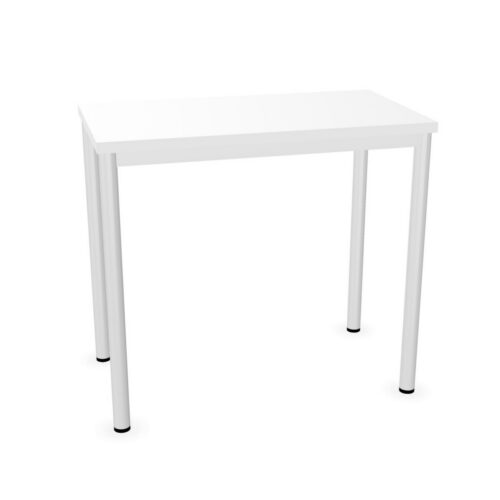
Blue Square Conference Tops for Team Discussions

Conference tables with square tops and blue surfaces give a meeting space a defined geometric center and a visible color reference. The square shape helps establish the arrangement of working positions, while blue introduces a surface color that can be coordinated with surrounding furniture or used as a distinct element. Its effect depends on the actual shade and the colors nearby. Choose the room arrangement around the work taking place, then assess how the blue tabletop fits that arrangement.

A team reviewing documents around the table has different viewing needs from colleagues following a wall presentation. Think through both situations before fixing chair positions. Blue square conference tables can provide a clear point of coordination for the room, especially when blue already appears in seating or other details. Repeating the color selectively gives it a purpose within the interior while leaving attention available for the meeting materials and presentation area.

2 models
From €8.94 p/m
2 models
From €30.93 p/m
€42.11 p/m
2 models
From €2.13 p/m
2 models
From €15.29 p/m
3 models
From €9.12 p/m
€5.33 p/m
6 models
From €5.58 p/m
5 models
From €8.34 p/m
8 models
From €3.65 p/m
2 models
From €5.54 p/m

Give Blue a Clear Role in the Room

Decide whether the tabletop will be the main blue element or part of an existing color scheme. If chairs, walls and presentation materials also contain blue, compare the shades together and consider which surfaces should draw attention. Exact matching is not always necessary, but an intentional relationship is useful. The square outline already gives the table a recognizable form, so additional color repetition can remain limited. View the arrangement from the entrance and from the usual working positions. A color scheme that makes sense in an empty room should also remain coherent when people and meeting materials are present.

Arrange Conference Tables With Square Tops and Blue Surfaces

Begin with the principal sightline: toward colleagues for discussion, toward shared papers for review, or toward a display for presentations. The square top has no extended side to establish the meeting direction automatically. Set the orientation through the relationship between the table and the main visual reference. Then check the chair positions around the other edges. People should be able to turn toward relevant material without their movement conflicting with a neighboring working position. Assess the corners along access routes at the same time, especially where the doorway directs people toward an approaching tabletop edge.

Separate Discussion Material From Room Color

Colored papers, diagrams and samples should remain easy to distinguish on the working surface. When assessing conference tables with square tops and blue surfaces, place typical meeting materials against the blue shade to understand their visual relationship. Materials containing blue may need a different position or a contrasting backing to keep their boundaries clear. This is a matter of the actual colors together, rather than a general rule about blue. Use the square working area to distinguish shared material from personal notes, and avoid making the table color carry information that belongs in the documents themselves.

Check Transitions Between Meeting Activities

A room used for both discussion and presentations needs a layout that accommodates the change in attention. Rehearse where papers will go when colleagues turn toward a display and where chairs move as people stand to speak. Blue square conference tables can remain the visual center of the room while the activity shifts, but this depends on the surrounding arrangement. Keep routes to the presentation area understandable and avoid using a corner as an informal storage point. Consider where temporary meeting materials will sit so that the square tabletop remains available for the next part of the session.

Frequently Asked Questions

Should blue chairs match the tabletop exactly?

Compare the actual shades before deciding. Related blues can work together without being identical, while contrasting chairs may define the tabletop more clearly. Conference tables with square tops and blue surfaces should be assessed as part of the complete room, including the floor and other prominent furniture.

How should the table relate to a wall display?

Place it so the intended chair positions have useful views of the display, then check how people turn between the screen and their colleagues. The square outline does not dictate a presentation direction. Use the room arrangement to establish that direction and preserve access behind occupied chairs.

Can blue meeting materials become harder to distinguish?

Similar shades may make their boundaries less obvious, depending on the materials involved. Check typical documents or samples directly against the surface. Separate important items clearly, and use written labels or other cues when the meaning of a document should not depend on color alone.

Explore related selections