

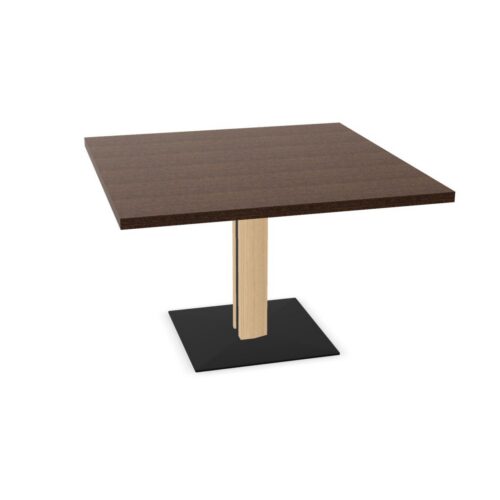
Black Square Surfaces for Conference Rooms

Conference tables with square tops and black surfaces pair a defined geometric outline with a dark working background. The square shape creates straight edges for seating and corners that need to be considered along walking routes. Black gives the top a distinct relationship with papers, devices and surrounding furnishings. Neither the color nor the shape establishes a material, surface finish or supporting structure, so keep those characteristics separate from the room-planning decision.

Black square conference tables should be considered from seated positions as well as across the room. White documents and dark devices will appear differently against the surface, making representative working materials useful during assessment. Plan chair positions around discussion and display needs, then check access at the corners. If the room already contains dark walls or storage, review the complete palette under normal lighting. The aim is a workable meeting arrangement with a deliberate visual relationship between the top and its surroundings.

8 models
From €30.61 p/m
11 models
From €21.26 p/m
18 models
From €27.49 p/m
6 models
From €28.06 p/m
2 models
From €8.94 p/m
2 models
From €30.93 p/m
€42.11 p/m
2 models
From €2.13 p/m
2 models
From €4.93 p/m
2 models
From €17.92 p/m
24 models
From €57.27 p/m
11 models
From €15.25 p/m
2 models
From €58.07 p/m
4 models
From €23.04 p/m
5 models
From €16.03 p/m
2 models
From €13.06 p/m
13 models
From €8.10 p/m
6 models
From €5.43 p/m
11 models
From €11.32 p/m
2 models
From €8.82 p/m

Reviewing conference tables with square tops and black surfaces

Begin with the view participants have while working. The black surface forms the background to documents, devices and shared materials, so assess those items directly on the intended top. Compare both light and dark objects rather than judging the room from an empty table arrangement.

The square outline gives each edge a clear direction. Consider whether those directions suit the display, doorway and other room features. A visually balanced position may still leave an inconvenient corner beside a walking route. Evaluate the working view and the surrounding circulation together before deciding how the table should be oriented.

Use Lighting to Assess the Actual Surface

Examine the tabletop under the lighting normally used for discussion and presentations. Black identifies the color but does not establish whether the surface is matte, glossy or reflective. Observe the appearance from each intended seating position, especially where documents are read or devices are used.

For black square meeting tables, include the surrounding palette in this assessment. Dark chairs, walls and storage may reduce visual separation between elements, depending on their actual appearance and the lighting. Decide where distinction is useful for understanding the seating arrangement, without assuming that a dark surface creates a particular mood or meeting style.

Preserve Routes Beside the Corners

Locate the square corners in relation to the paths between the entrance, chairs and shared equipment. A corner placed directly beside a frequently used route can complicate movement once people are seated. Test the arrangement with chairs pulled out and with the storage doors that need to open.

Do not place chairs along every edge simply because the geometry permits it. An unoccupied edge may support access to a board or leave a clearer approach to the table. Consider bags and other belongings as part of the arrangement, since they can occupy the same routes that appear clear in an empty room.

Organize Presentation and Review Positions

Square edges can help define individual working places, but a shared display adds a direction that the table itself does not prescribe. Place regular presentation seats where participants can see the screen without excessive turning. Use other positions according to the balance between screen-based work and face-to-face discussion.

Black square conference tables can also support paper review when materials are arranged deliberately. Keep the document being discussed accessible and avoid surrounding it with unrelated items. Compare how different folders and diagrams appear against the dark top. Establishing a clear working arrangement is more useful than assuming the color alone determines visual comfort.

Frequently Asked Questions

Does black indicate a matte finish?

No. Color does not establish sheen or texture. Assess the actual surface from seated positions under the lighting used in the room, particularly if reading documents or viewing screens forms a regular part of meetings.

Should black chairs accompany the surface?

They are an option, not a requirement. Compare them with the tabletop, floor and walls. Decide whether matching colors or a visible contrast gives the room the intended appearance and makes the seating arrangement clear.

How should a square table face a display?

Choose the orientation by testing the view from intended seats. Consider how people turn toward the display and whether others interrupt that view. Leave an edge open if this supports the presentation arrangement and access routes.

Keep conference tables with square tops and black surfaces in view while comparing placement, access and the surrounding interior.

Compare how conference tables with square tops and black surfaces relates to chair positions and shared views in the intended room.

Explore related selections