

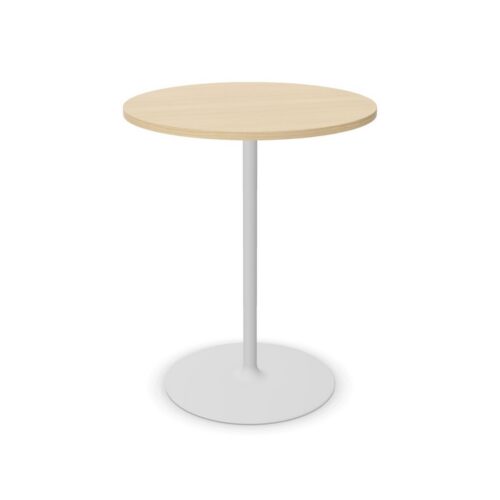
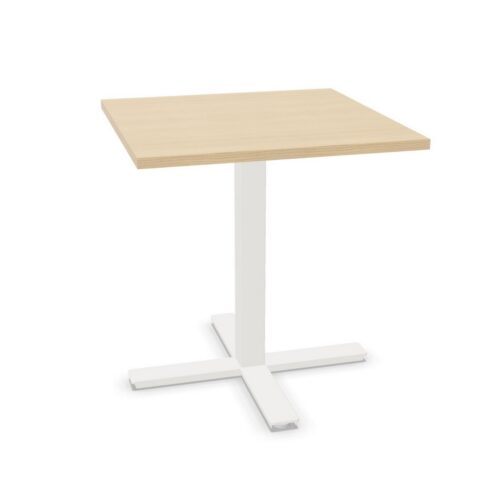
Brown Square Tops for Conference Meetings

Conference tables with square tops and brown surfaces bring a clearly defined shape and a familiar color into meeting rooms. The square outline provides similar edges around the tabletop, while brown gives you a starting point for coordinating chairs, flooring and surrounding furniture. Consider these characteristics together: the outline determines how the table relates to the room, and the surface color affects how it sits within the wider interior. Brown describes the color here; it does not establish a particular material.

Begin with the way colleagues will approach the table, share documents and turn toward a presentation. A square top can suit discussions arranged around a central working area, provided chair positions and circulation are planned carefully. Brown square conference tables can also connect visually with existing brown elements without requiring an exact color match. Compare the actual shades together and leave enough visual separation for the table outline to remain clear.

2 models
From €8.94 p/m
€42.11 p/m
2 models
From €13.06 p/m
13 models
From €8.10 p/m
6 models
From €5.43 p/m
11 models
From €11.32 p/m
2 models
From €8.82 p/m
15 models
From €16.44 p/m
2 models
From €17.36 p/m
€95.98 p/m

Planning Conference Tables With Square Tops and Brown Surfaces

Start by locating the main activity in the room. A discussion centered on shared papers suggests a different arrangement from a meeting directed toward a wall display. With a square top, consider each edge as a possible working position, then check which positions have a useful view of the presentation area. The brown surface should also be considered from those positions, alongside the chairs and floor beneath it. A layout that looks coordinated from the doorway still needs to work when people are seated, turning toward colleagues or moving away from the table during a discussion.

Coordinate Brown Without Matching Every Surface

Brown can appear alongside existing timber tones, painted furniture or other brown elements, but those relationships need checking in the room. Similar colors may differ noticeably in daylight or under the lighting used for meetings. Compare the tabletop with the most prominent nearby surfaces instead of trying to repeat it everywhere. If the floor and chairs are also brown, differences in shade can help distinguish their outlines. Keep the square geometry visible within this grouping, particularly where chair backs overlap the tabletop from the entrance. The aim is a coherent setting with recognizable furniture boundaries.

Keep Corners Away From Busy Routes

When arranging conference tables with square tops and brown surfaces, trace the route from the door to the usual seating positions. Square corners need attention wherever someone turns into an aisle or passes behind a chair. Test that route with chairs in their occupied positions, rather than tucked beneath the top. Also consider access to storage and presentation equipment, since those movements can cross the meeting area. Aligning the table with the room may make the arrangement easier to understand, while turning it can redirect movement toward a corner. Assess the route before settling on the orientation.

Organize the Shared Working Area

Use the square outline to plan where personal notes end and shared material begins. Documents placed centrally should be readable from the positions expected to use them; spreading everything across the middle can create unnecessary reaching or rotation. Brown square conference tables provide a colored background for papers and devices, so compare their visibility against the actual surface shade. Avoid assuming that brown is always dark or that every paper edge will be equally distinct. For meetings that alternate between discussion and presentations, leave a clear place for shared papers without blocking individual writing areas.

Frequently Asked Questions

Does a brown surface mean the table is wooden?

No. Brown identifies the surface color, while the square description identifies the tabletop shape. Neither establishes the material or construction. Coordinate the visible color with the room, and assess any material requirements separately using confirmed information about the particular table being considered.

Should the square top face the presentation wall?

Use the meeting format to decide. An edge parallel to the display wall can give the arrangement a clear orientation, but check the view from every intended chair position. The useful layout is the one that supports both the presentation and ordinary movement around the table.

Can this combination work with mixed chair colors?

Conference tables with square tops and brown surfaces can be considered alongside mixed chair colors when those colors have a clear relationship to the room. Compare the grouping together, paying attention to contrast at the tabletop edges and to the overall balance around the square outline.

Explore related selections