

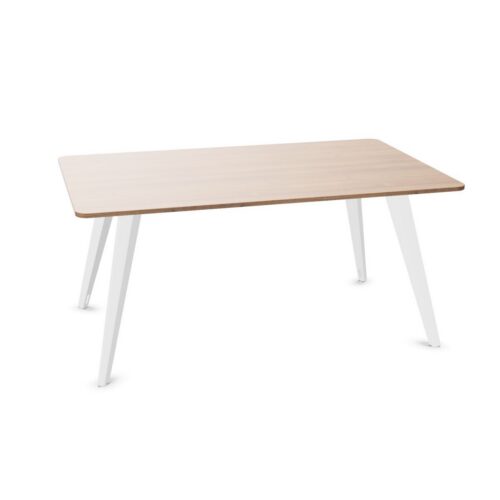
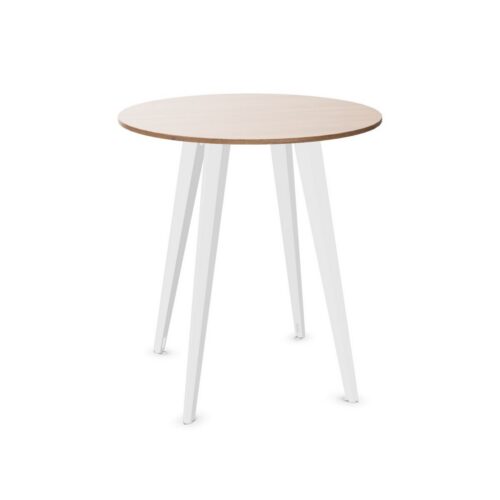
Beige Bases for Trigoon Conference Rooms

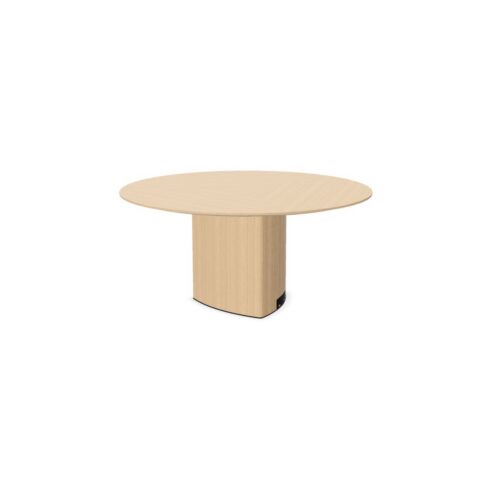
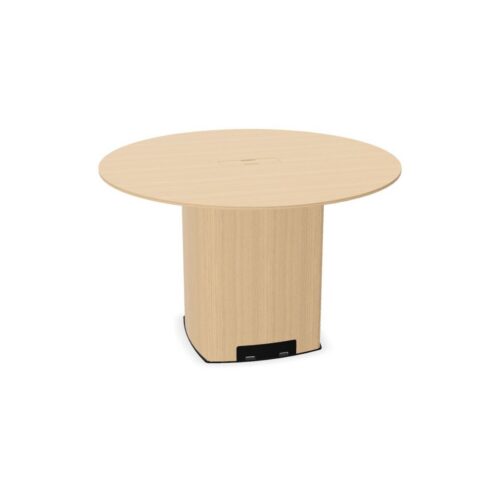
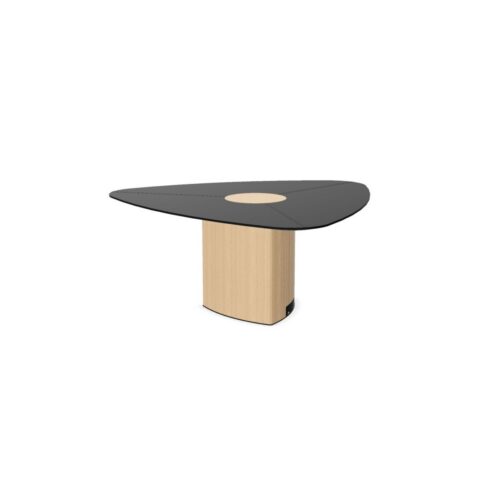
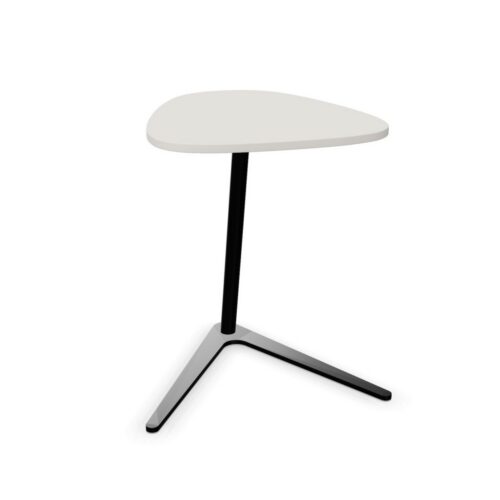
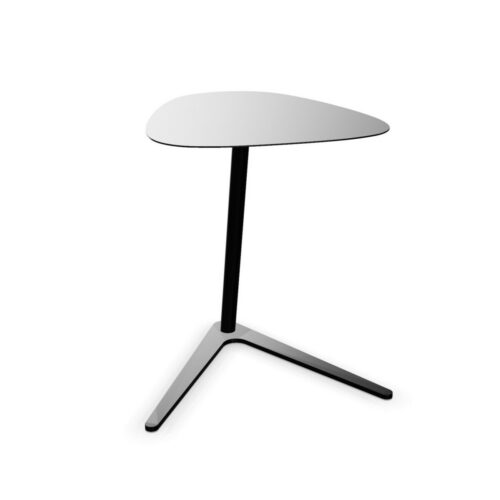
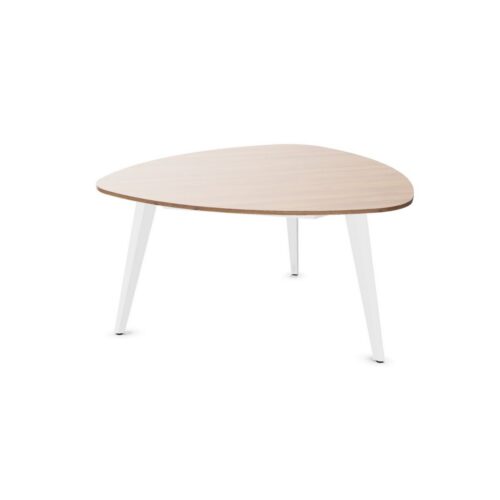
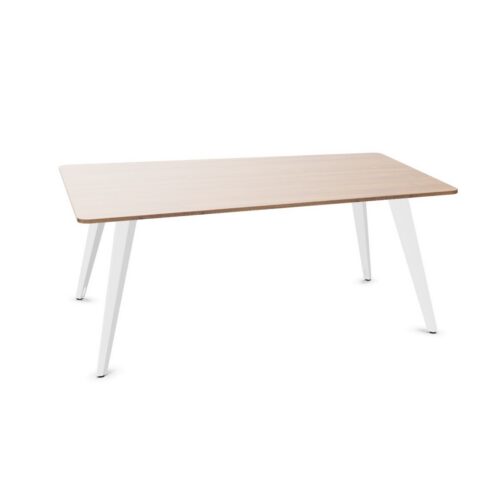
Conference tables with trigoon tops and beige bases combine a specific tabletop outline with a neutral base color. Beige can be assessed alongside pale walls, contrasting chairs or other established room finishes, depending on the interior. The trigoon shape brings a separate planning question: how should the table face so that seating, conversation and movement work together?

Resolve that arrangement through the room’s everyday activities. Place chairs around the actual outline, check approaches from the doorway and review views toward any presentation wall. Then assess the beige base from those positions rather than judging it only in an empty setting. It may connect with nearby neutral elements or remain visibly separate from darker surroundings. Consider the complete relationship between base, chairs and floor, keeping clear circulation around occupied seats central to the decision about where the table belongs.

2 models
From €105.43 p/m
€91.80 p/m
6 models
From €11.06 p/m
11 models
From €8.10 p/m
2 models
From €3.69 p/m
11 models
From €7.24 p/m
2 models
From €8.92 p/m
Price on request
3 models
From €9.64 p/m
2 models
From €5.94 p/m
20 models
From €16.42 p/m
€19.72 p/m
€26.88 p/m
5 models
From €34.09 p/m

Comparing Beige With Nearby Neutral Finishes

A beige base can sit within a room containing several pale or neutral colors, but their relationship should be assessed together. Compare the base against the floor, walls and seating under the lighting used for meetings. Similar color descriptions do not guarantee an exact match or a consistent appearance beside other finishes.

Decide if you want the base to connect quietly with its surroundings or remain more distinct. The result depends on the actual room colors and how much of the base is visible around the chairs. Keep the trigoon outline in view during this comparison so color coordination supports a considered furniture arrangement.

Conference Tables With Trigoon Tops and Beige Bases in Discussion Rooms

Begin with the positions participants need for conversation. Place chairs around the actual tabletop perimeter and review views between colleagues. The shape should inform that arrangement, rather than having chairs distributed according to a pattern developed for another tabletop. Assess how each person approaches and leaves their intended position.

Then check the wider room around occupied seating. Routes to the door, shared writing area and nearby storage should remain apparent and usable. Review door movement as part of this exercise, and avoid allowing spare chairs or decorative items to occupy the paths needed during a meeting.

Using Seating to Establish Visual Separation

When considering conference tables with trigoon tops and beige bases, compare how the chairs relate to the base and floor. Contrasting seating may make the different furniture elements more distinct, while related neutral colors may produce a more continuous composition. Choose between those effects according to the intended room scheme.

Review the relationship with chairs pulled back as well as positioned close to the table. These working positions change what is visible beneath the top. Check foot placement against the actual base arrangement at the same time, keeping the visual comparison connected to how people will use their places.

Testing Presentation Direction Without Losing Discussion Views

If the room also supports presentations, assess each intended seat toward the shared wall. The trigoon top's orientation needs to be considered alongside chair direction. Check whether participants can follow the presentation from their working positions and how a colleague would move from the table to the presentation area.

Return to the discussion arrangement afterward. A layout should be reviewed against the room's recurring activities, including the transition between them. Once those relationships work, assess the beige base from seated viewpoints and the entrance to confirm that its connection with nearby finishes suits the resulting practical arrangement.

FAQ About Beige Bases and Trigoon Layouts

Does beige need a completely neutral room?

No. Compare it with the colors already present, including any contrasting seating or wall details. Beige can be assessed as part of a varied interior as well as a neutral one; the appropriate relationship depends on the complete setting.

Should the chairs contrast with the base?

Contrast is an option, not a requirement. Review the chairs, base and floor together to decide how distinct each should appear. Then check the same relationship with chairs in their working positions around the actual trigoon outline.

How should the final arrangement be reviewed?

Assess conference tables with trigoon tops and beige bases through occupied chair access, discussion views and presentation direction. Finish by comparing beige with the surrounding finishes from those positions, bringing the color relationship into the same review as everyday room use.

Explore related selections