

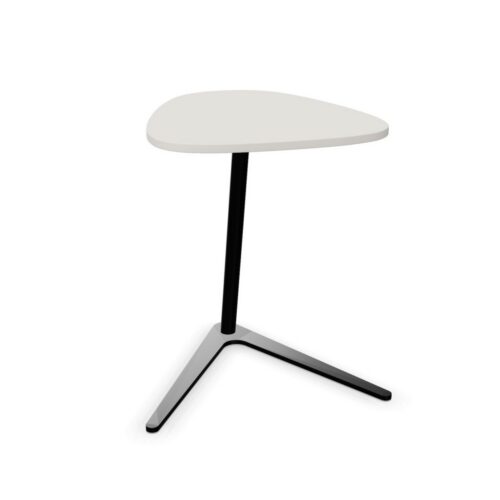
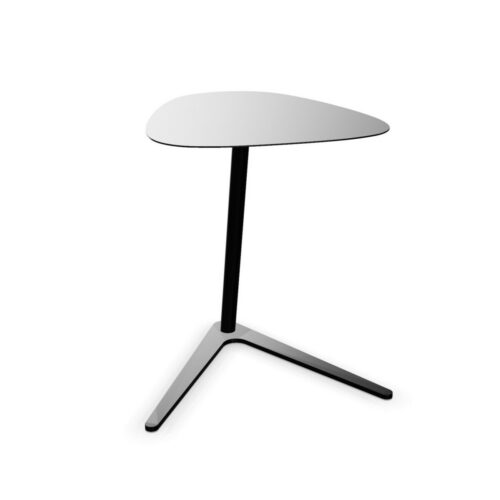
Blue Bases Beneath Trigoon Meeting Surfaces

Conference tables with trigoon tops and blue bases combine a recognizable tabletop outline with color below the meeting surface. Blue can relate to an existing chair fabric, wall detail or other room element, but the strongest arrangement begins with how people use the table. Establish seating positions around the actual trigoon outline before deciding how the base color should connect with the wider interior.

For a room used by different teams, consider recurring activities such as project discussions, document reviews and presentations. Each activity may change where participants direct their attention. Orient the tabletop with those uses in mind, leaving clear approaches to occupied chairs. Then look at the blue base from the entrance and across the room. Decide whether blue should remain a single accent or recur elsewhere, while allowing the meeting layout to retain a clear practical purpose.

6 models
From €11.06 p/m
11 models
From €7.24 p/m
2 models
From €8.92 p/m
Price on request
3 models
From €9.64 p/m
2 models
From €5.94 p/m

Giving Blue a Defined Place in the Room

A blue base introduces color in a position that may be partly concealed by chairs during meetings. Assess how much of it remains visible in the intended arrangement. This helps determine whether blue works as a subtle connection to other furniture or as a more noticeable element within the room.

Choose any repetition of blue deliberately. A related chair color or nearby decorative detail may be sufficient to connect the table with the interior. Compare the whole setting before adding more color, and keep attention on the relationship between the trigoon outline, occupied seating and the surrounding room surfaces.

Conference Tables With Trigoon Tops and Blue Bases for Shared Use

When teams use the same room differently, begin with a typical meeting sequence. Consider where people arrive, place their working materials and direct their attention. Test the tabletop orientation against that sequence, including the moment when someone joins after the meeting has begun and needs to reach an available chair.

Keep frequently used routes clear behind seated participants. The entrance, shared presentation area and nearby storage should be reachable without turning the space around the table into a waiting area. Check the actual base arrangement at each seat, since its blue color provides no information about foot placement.

Separating Color Decisions From Screen Views

Blue can contribute to the room's visual scheme, but presentation visibility depends on the arrangement. With conference tables with trigoon tops and blue bases, review each chair's direction toward the intended screen or writing surface. Do this with the chairs positioned for use, rather than simply arranged neatly around the edge.

Consider views across the table as well. A setting that works for watching a presentation may place participants awkwardly for discussion afterward. Use the actual trigoon outline to explore a suitable orientation, and preserve a clear route for anyone moving between their seat and the shared presentation area.

Maintaining a Coherent Setting Between Meetings

Agree on a practical default chair arrangement if the room is regularly reset. That arrangement should reflect the tabletop shape and preserve useful circulation. Avoid placing extra chairs wherever there appears to be an empty stretch of edge; assess whether each proposed position works during an occupied meeting.

Review the visual result after chairs return to those positions. The blue base should have a considered relationship with the surrounding furniture, even when its visibility changes. Keep bags, spare seating and movable room equipment in designated places so the intended arrangement remains easy for the next group to understand.

FAQ About Blue Bases in Meeting Rooms

Should blue appear elsewhere in the room?

It can, but repetition is optional. Compare the base with existing room colors first. A single blue element may suit the setting, while a related color in the seating can create a more connected appearance without requiring every item to match.

Will the tabletop shape suit presentations?

Assess the actual outline and proposed chair positions against the presentation wall. The shape name alone does not establish everyone's view. Check both the viewing direction and the route someone would take when leaving their seat to present.

What matters when several teams share the room?

Evaluate conference tables with trigoon tops and blue bases against recurring activities and a clear default arrangement. Useful chair positions, access behind occupied seats and a considered relationship between blue and surrounding finishes help make the room plan understandable.

Explore related selections