

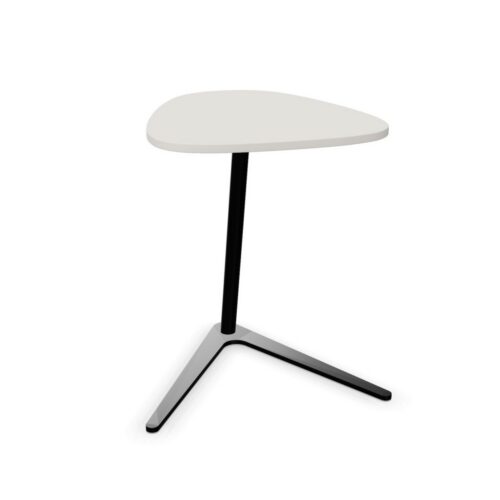
Red Bases Supporting Trigoon Conference Tops

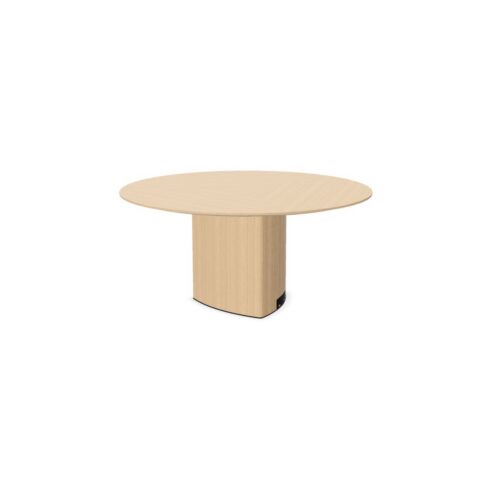
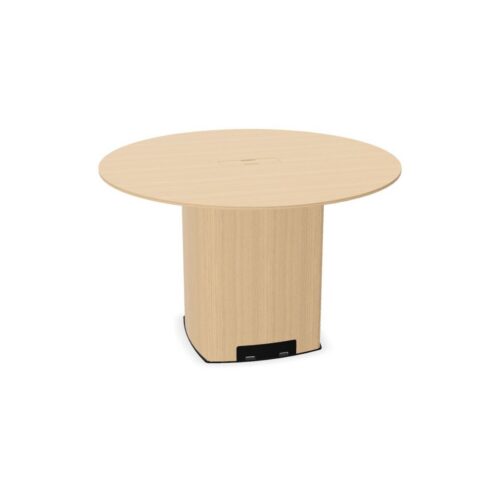
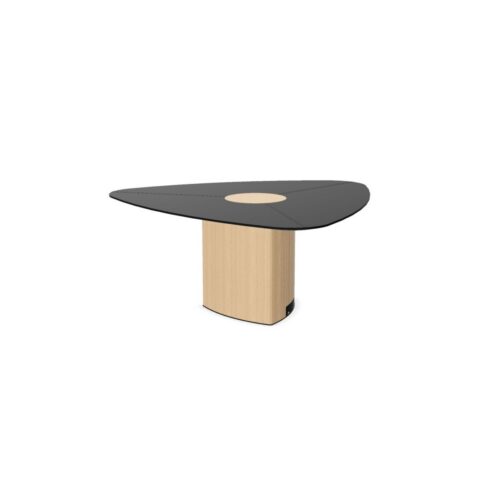
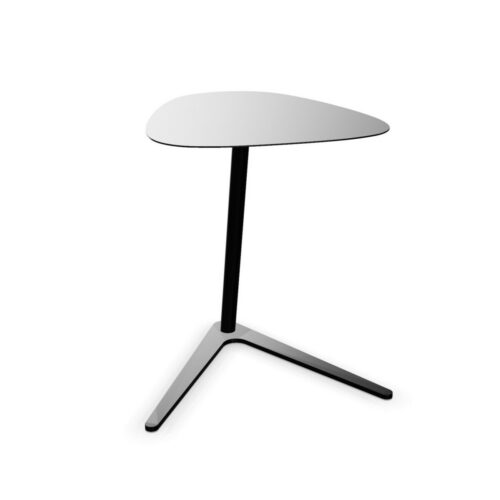
Conference tables with trigoon tops and red bases combine an identifiable tabletop outline with a base color that deserves a deliberate place in the room scheme. Start by considering the surrounding colors and how much of the base will be visible between chairs. Then relate that visual decision to the orientation of the trigoon top and the meeting activities it will serve.

In a presentation room, attention needs to move comfortably between participants and the shared wall. In a discussion room, views across the table take greater priority. Use those requirements to organize the seating before adding other furniture around it. Red can repeat an existing interior detail or remain an individual accent; either approach should be assessed in the complete room. Check the arrangement from the entrance and from occupied seats, including the routes used by late arrivals and anyone stepping forward to present.

2 models
From €105.43 p/m
€91.80 p/m
6 models
From €11.06 p/m
11 models
From €8.10 p/m
5 models
From €9.88 p/m
2 models
From €8.92 p/m
3 models
From €9.64 p/m
2 models
From €5.94 p/m

Balancing Red With the Presentation Area

Consider the visual relationship between the base and the wall used for presentations. Red may remain noticeable beneath the tabletop, depending on the surrounding colors and seating. Review the complete room from participants' positions and decide where the strongest color emphasis belongs during the activities that take place most often.

This is a composition decision rather than a claim about concentration or meeting behavior. The useful questions are concrete: how much red is visible, which nearby elements repeat it and whether the furniture arrangement reads clearly. Keep the tabletop orientation tied to viewing needs while comparing those visual relationships.

Planning Arrival Around the Trigoon Outline

Place the entrance route into the plan before arranging chairs. People should be able to see how to approach an available place without walking through another participant's working area. Test the actual tabletop outline in different orientations and compare how each one relates to the door and occupied seating.

Conference tables with trigoon tops and red bases also need a considered route toward shared room equipment. Review access to the presentation wall and nearby storage with chairs pulled back. Keep spare seating outside those paths, and check whether door movement conflicts with a chair or the normal approach to the table.

Conference Tables With Trigoon Tops and Red Bases as Color Accents

Repeating red in a nearby detail can connect the base to the wider interior. Before doing so, assess the colors already present in chairs, wall elements and storage. Additional repetition is useful only when it contributes to the intended composition; the table does not require a room organized entirely around red.

Also consider an arrangement where red remains an individual accent. In that case, review the base against the floor and the underside view created by the seating. Its appearance may change considerably when chairs are occupied, so compare working views with the view of the empty room.

Checking Each Participant's Working Position

Arrange chairs around the actual trigoon perimeter and assess them individually. Each person needs a practical approach, a useful view toward colleagues and an appropriate direction for presentation use where relevant. Avoid assuming that a visually even chair arrangement will provide equally workable positions around a differently shaped top.

Look at the base at each proposed seat as well. Red identifies its color, while the actual structure determines where support elements sit. Check foot placement directly and review how chairs move when someone stands. These observations should inform the final layout alongside the desired relationship between red and other finishes.

FAQ About Red Bases in Conference Settings

Does red have to be the main room color?

No. It can remain a single accent or connect with a limited number of existing details. Compare the base with the occupied seating arrangement and surrounding finishes before deciding how widely to repeat the color in the room.

Where should the presenter stand?

Use the shared screen or writing area to establish a presentation position, then check views from every intended seat. Preserve a straightforward route between the table and that position so participants can contribute without interrupting neighboring places.

What should be checked before fixing the arrangement?

Assess conference tables with trigoon tops and red bases for occupied chair access, entry routes and presentation views. Then review the visible red against the surrounding colors, ensuring the visual composition follows a practical seating and circulation plan.

Explore related selections