

Green Trigoon Tables for Collaborative Rooms

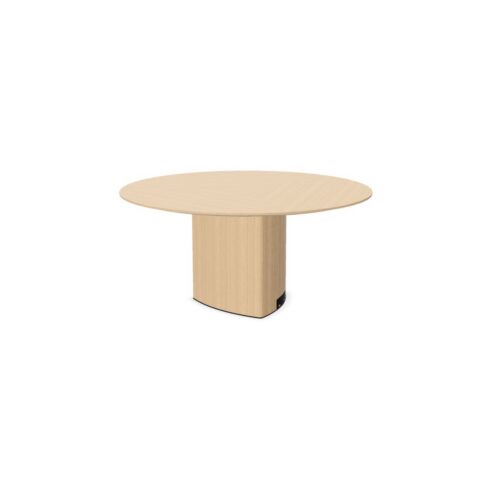
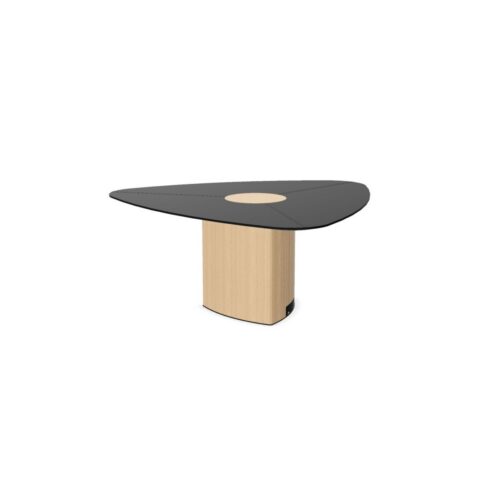
Conference tables with trigoon tops and green surfaces combine a distinctive meeting-table outline with a clear color choice. The shape calls for considered chair placement, while green needs a defined relationship with the room’s existing palette. Begin with the conversation the room is meant to support: where participants face, where shared materials sit and how people move between the table and other working areas. Then assess how the surface color contributes to that arrangement.

A green trigoon conference table can act as the main color element or connect with green already present in seating, walls or planting. Compare those elements directly, since the same color name does not guarantee a visual match. Green describes appearance and does not establish any environmental or wellbeing characteristic. Keep the assessment grounded in the actual contour, surface appearance and daily use of the meeting space, including the occupied chair positions and routes around them.

2 models
From €105.43 p/m
€91.80 p/m
15 models
From €16.44 p/m
2 models
From €17.36 p/m
7 models
From €10.56 p/m
13 models
From €3.65 p/m
2 models
From €5.54 p/m
11 models
From €8.10 p/m
11 models
From €7.24 p/m
2 models
From €5.94 p/m

Arranging Conference Tables With Trigoon Tops and Green Surfaces

For discussion-led meetings, begin by directing chairs toward the shared conversation. Work from the actual trigoon contour and review how naturally participants can address one another. Avoid assigning a fixed presentation role to a particular position unless the meeting routine calls for it.

Include the materials that shape the discussion. Shared notes, reference papers and personal laptops can change where attention is directed across the tabletop. Arrange them alongside the chairs when assessing the plan. The green surface provides the visual background, while the contour influences the relationship between participants and working materials. Review both together before deciding how the table should sit within the room.

Coordinate Green With Existing Room Elements

Look at the green already present in the space, if any, and decide whether the tabletop should relate to it closely or remain distinct. Upholstery, wall color and plants can all contribute different green tones. Compare their actual appearance instead of treating them as an automatic match.

Where the table is the main color element, assess whether the surrounding palette gives it the intended emphasis. Review the setting from seated positions as well as the entrance. The tabletop is more prominent during use than in a distant room view. Keep the decision focused on visual coordination; the green color alone does not establish a particular effect on participants.

Preserve Access to Shared Working Areas

Conference tables with trigoon tops and green surfaces should be positioned with nearby activities in mind. If participants use a writing wall or shared display, follow the route from the intended chairs to that area. Review the movement with the chairs arranged for discussion, rather than tucked away.

Check arrival and departure routes at the same time. A participant entering during a session should be able to recognize the seating arrangement and approach it without crossing the main working area unnecessarily. Use the actual tabletop outline when assessing these paths. Color coordination can make the setting coherent, but the practical route around the table needs a direct review.

Keep the Arrangement Clear Between Sessions

Decide how the tabletop is reset when a meeting ends. Shared documents need an agreed destination, and personal belongings should have somewhere to go during the session. This helps the green surface remain an intentional part of the room rather than a background for items left behind.

Review the reset from the perspective of the next group entering. Chair positions should communicate the intended discussion arrangement, and routes to presentation areas should remain apparent. Check the table's appearance under the room's normal lighting with representative papers present. A consistent routine connects the chosen surface color with the everyday organization of the trigoon meeting layout and the activities around it.

FAQ

Does a green surface imply environmental benefits?

No. Green is a color description here. It does not establish material content, environmental credentials or any other characteristic beyond the stated appearance of the surface.

Should the tabletop match nearby plants?

Matching is optional. Plants introduce their own varying tones, so assess them within the full room palette. The table can relate to those colors without attempting an exact visual match.

What should be prioritized for collaborative use?

For conference tables with trigoon tops and green surfaces, prioritize conversational chair direction, shared-material placement and access to working walls. Assess the surface color as part of that complete, occupied arrangement.

Explore related selections