










Use grey to connect different office finishes
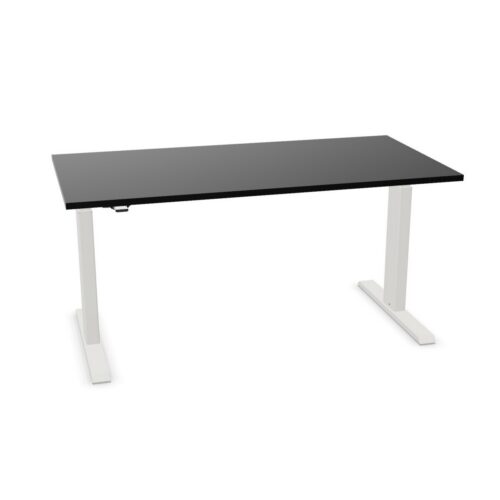
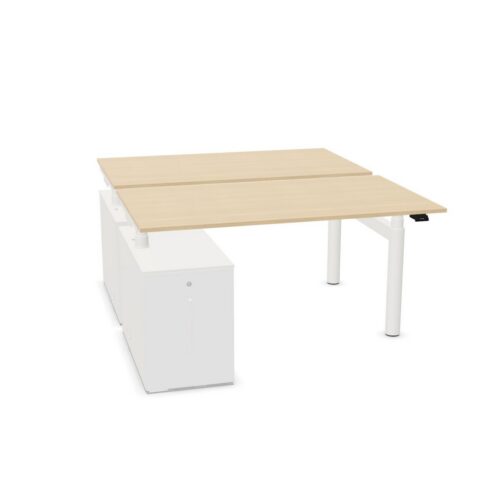
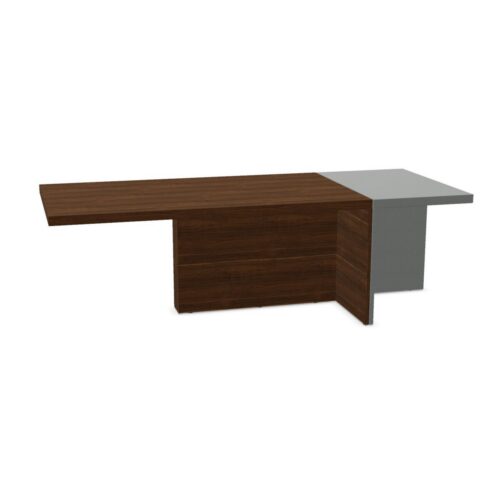
Grey surfaces can provide a steady visual link between colors and materials that might otherwise compete. In a bright room, they add definition without the pronounced contrast of a black worktop. Beside wood finishes, grey can create a balanced combination; with white storage or partitions, it keeps the workstation distinct while remaining understated. Consider the shade and texture described for each product, since grey is not a single uniform finish across every manufacturer.
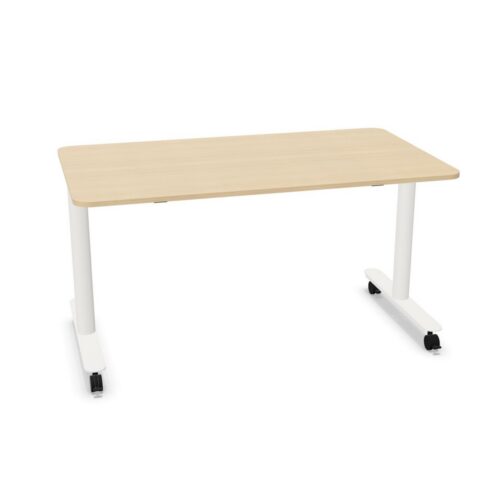
Look at the desk alongside the parts of the room that are hardest to change, such as flooring, wall color and built-in storage. If these are warm in tone, choose a grey finish that sits comfortably with them. In a cooler scheme, the desk can reinforce the existing palette. Repeating the same surface across a team area can bring coherence, while choosing one related accent elsewhere can help mark a meeting or focus zone.
Build a useful routine around electric height change
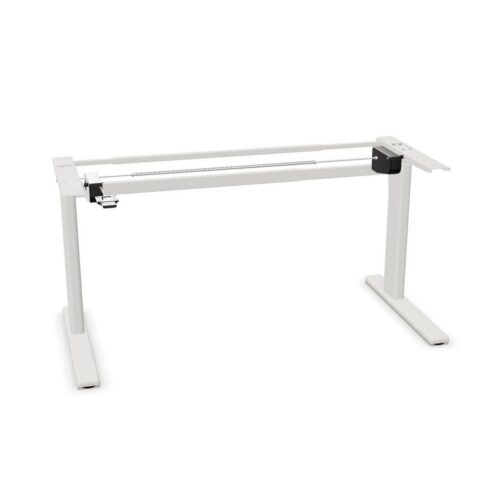
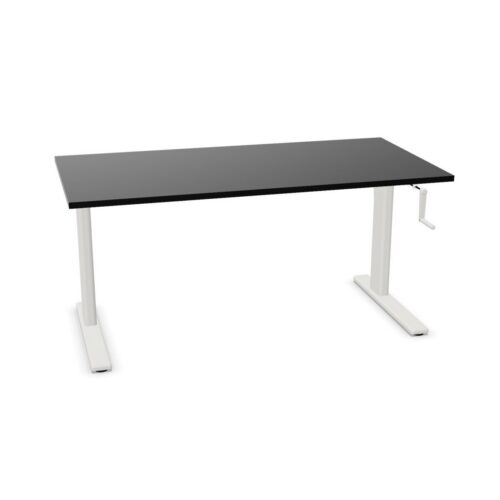
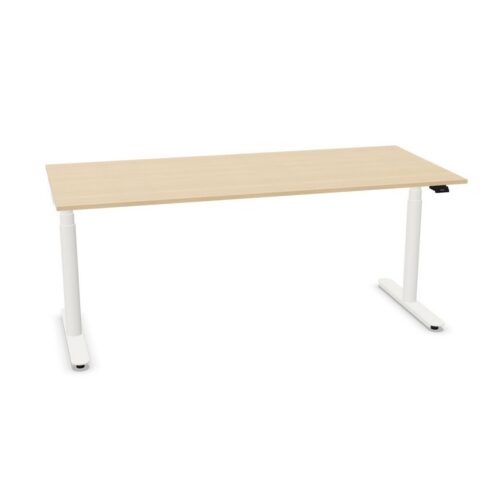
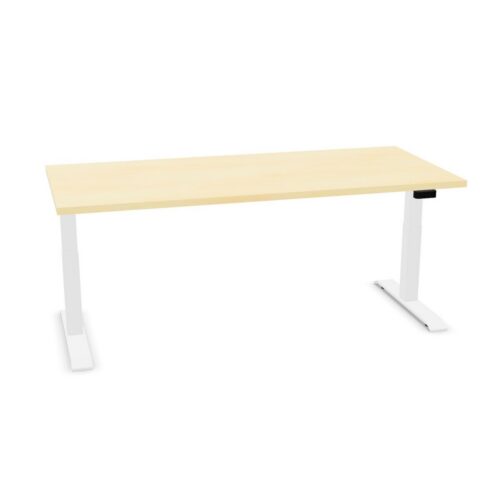
Powered adjustment lets a user move the work surface to a preferred height without manually resetting the frame. That can be useful in a personal workstation where the user alternates between working positions, and in a shared area where colleagues need to adapt the desk to their own setup. Consider who will use the station, what equipment stays in place and how often the desk position is likely to change.
Before planning the room, check that the area around the desk remains clear through its movement. Screens, monitor arms, lamps and nearby shelving should not obstruct the top. Leads need a route that accommodates movement without becoming tight or catching. The available frame and accessories differ between models, so confirm the product information for the exact configuration instead of assuming a particular control or cable feature is standard throughout the category.
