




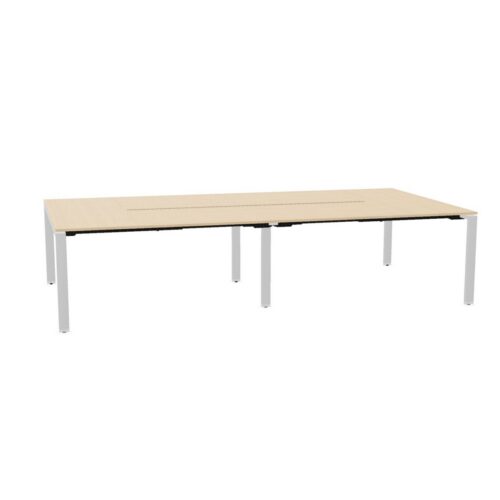


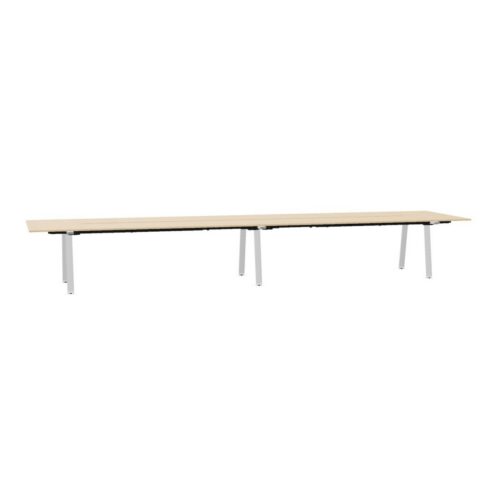

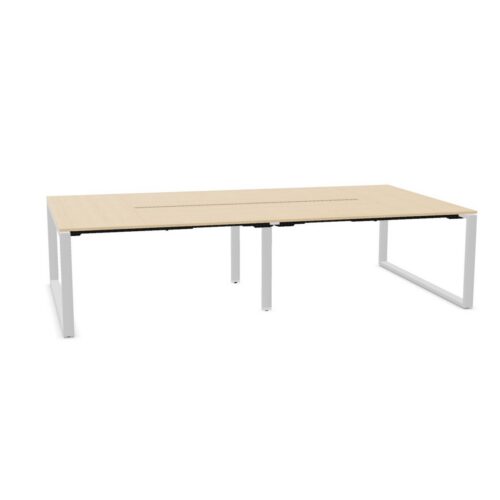
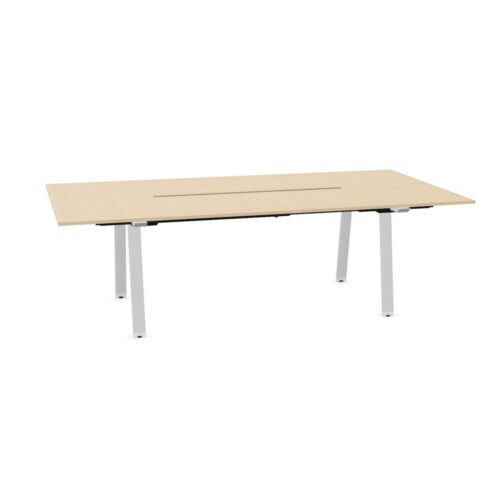
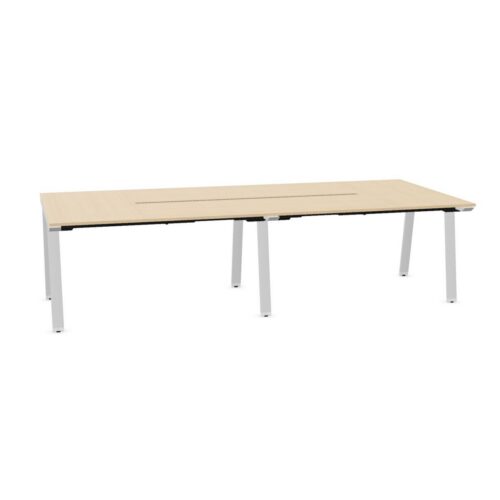
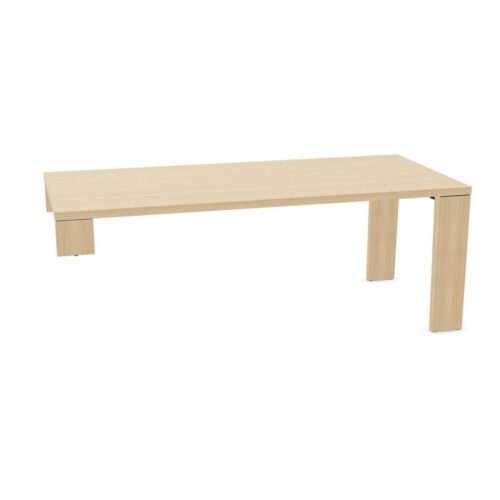


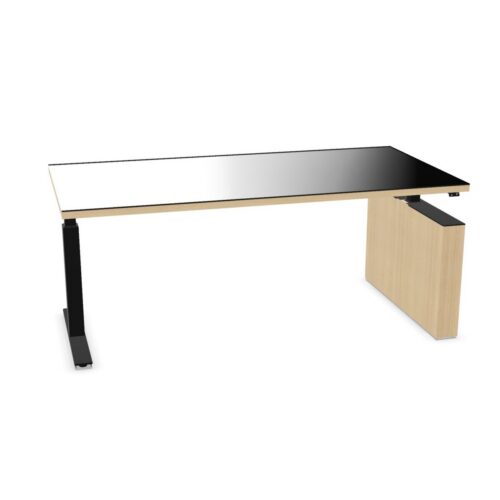
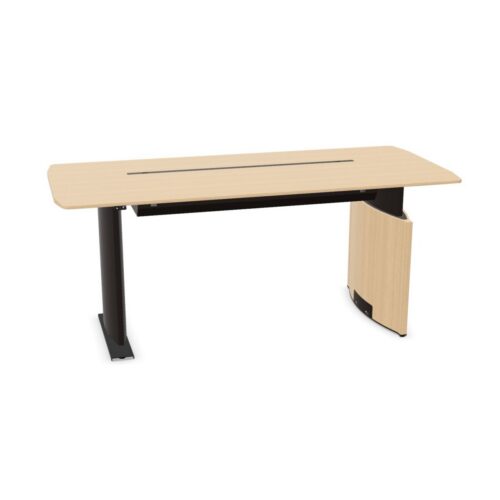

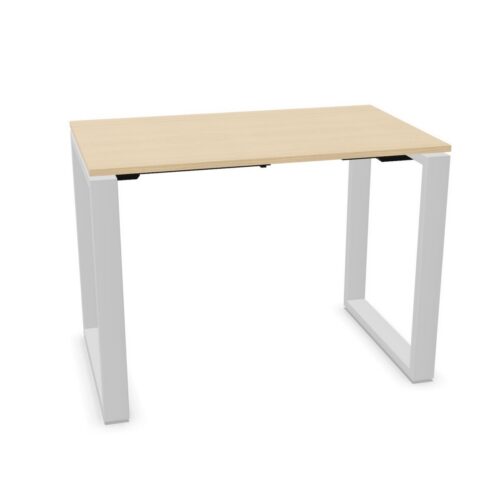
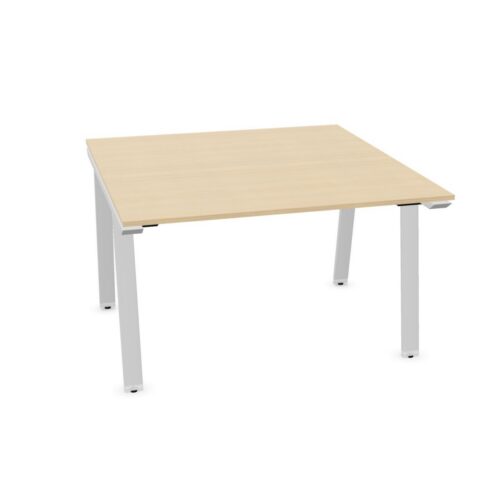
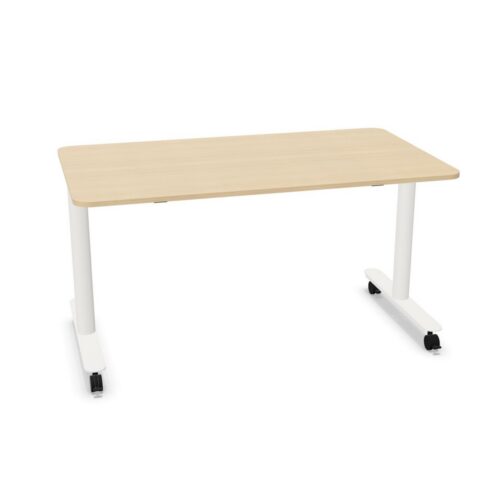
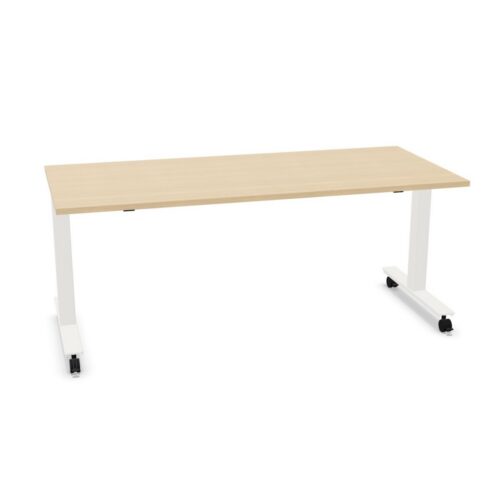
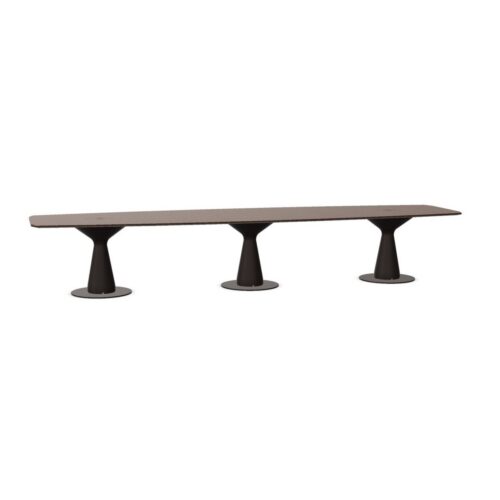
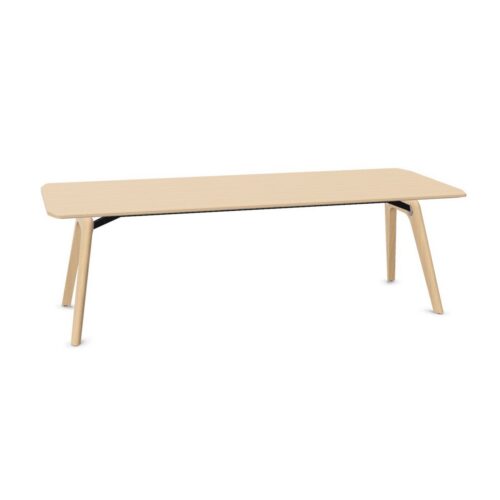
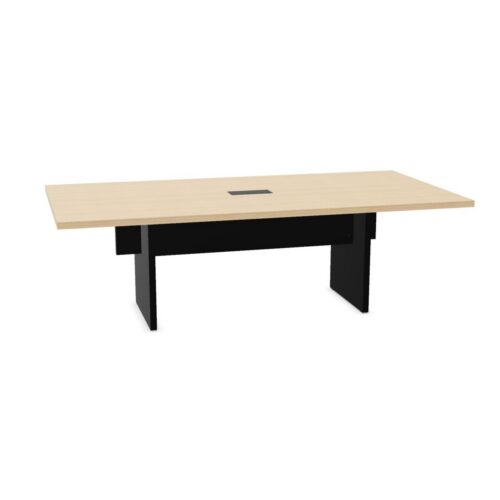
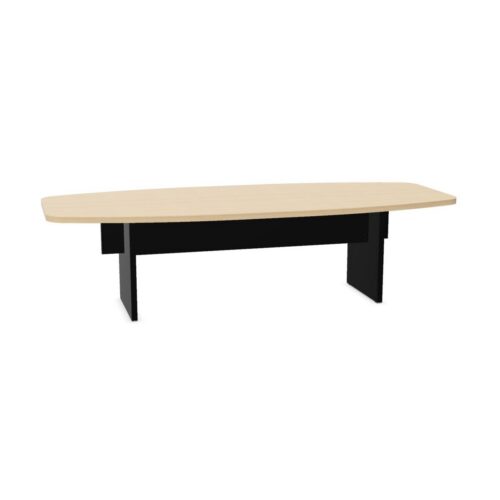
Use a wood finish to add warmth
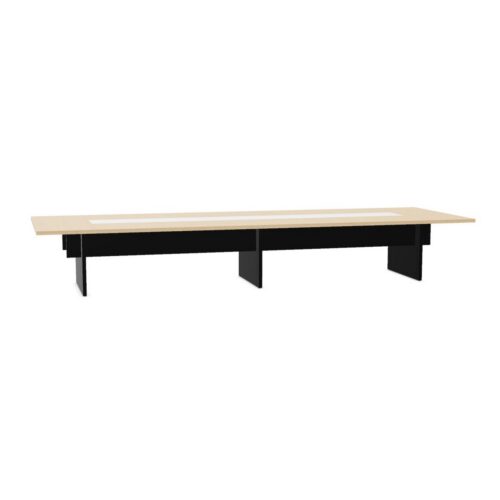
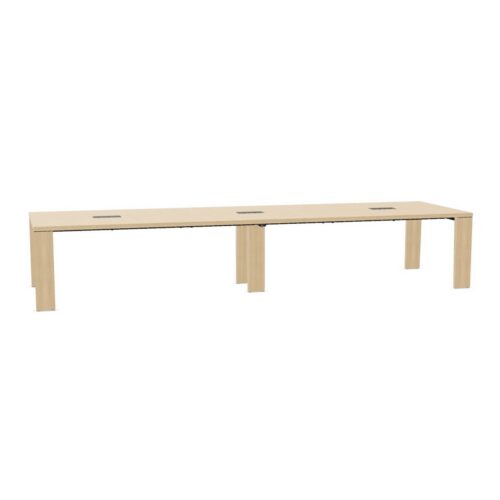
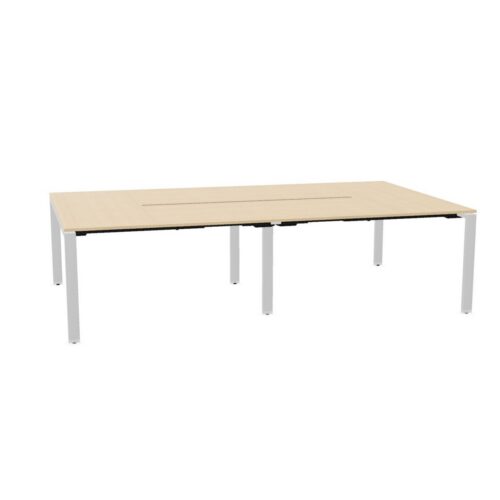
A wood-look surface can make an office feel more welcoming and can connect a workstation to other warm or natural tones. It may soften a room dominated by metal, glass and screens, or complement existing furniture with a similar appearance. Compare the exact finish information for each desk, especially if the workstations need to coordinate. The color label alone should not be treated as proof of a particular wood species or construction.
Think about how the surface will appear beside flooring, chairs and storage. A close match can create a continuous interior scheme, while a deliberate contrast gives the desk more definition. Use product descriptions and finish images to assess the particular option. When desk shapes vary across a workplace, repeating a wood finish can help the arrangement feel connected without requiring each workstation to have the same form.
Design around a fixed workstation
These desks stay at a set working position, so the user's chair and equipment should be arranged accordingly. Consider the main tasks, how the user sits and where screens or documents need to be placed. A fixed desk can support a straightforward setup when the user and role are clear, but it requires more planning if the same station will be used by people with different preferences.
For shared work, think about the components that can be adapted. Seat adjustment and compatible screen supports may help colleagues use the same workstation. Keep the worktop organized and make room for the chair to move freely. The desk itself will not change height, so a clear routine for adjusting seating and equipment can help the next person settle in more easily.
