







Give a red work surface a clear role
Red can bring energy and definition to an office, but the best effect depends on where the color is used. It may mark a team zone, project area or collaboration point. In a room with several strong finishes, use red selectively and balance it with quieter surfaces. In a neutral office, a repeated red desk can create a recognizable visual thread without changing the rest of the furniture scheme.
Compare the specific red finish with nearby walls, flooring, chairs and screens. Different products can vary in tone, so check the details before planning several desks together. Consider how people will see the workstations from across the room as well as from the chair. A well-chosen placement lets the color support orientation and identity while keeping the desk comfortable for focused work.
Make adjustment useful rather than incidental
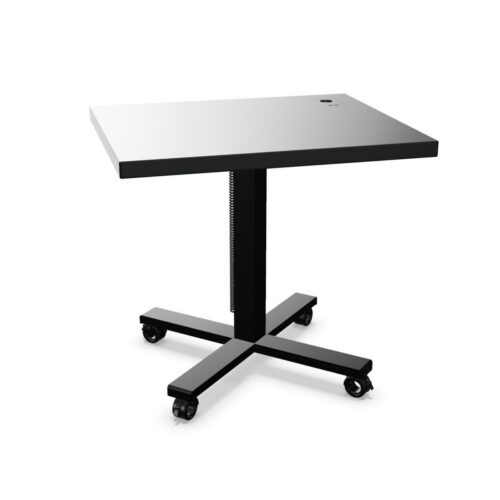
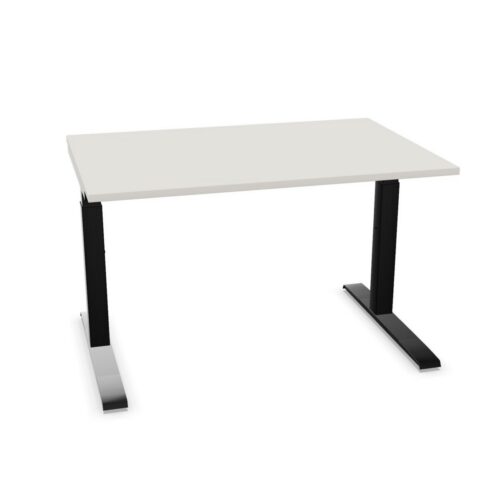
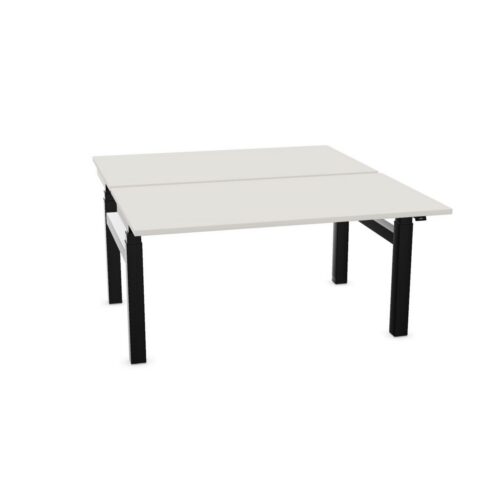
Height-adjustable worktops can be set to suit different users, tasks or working positions. Consider the routine the desk needs to support and how frequently its position will change. A dedicated station may be adjusted by one person; a shared desk may need a simple process for colleagues to set it for themselves. Equipment should remain usable throughout those transitions.
Review the individual model's mechanism and controls before selecting it. Check clearance for the moving top and make sure storage, chairs and nearby surfaces do not obstruct it. Cable routing should allow movement without pulling or snagging. If monitor arms or other accessories are required, confirm their fit with the specific frame and plan how they will behave as the desk changes position.
