

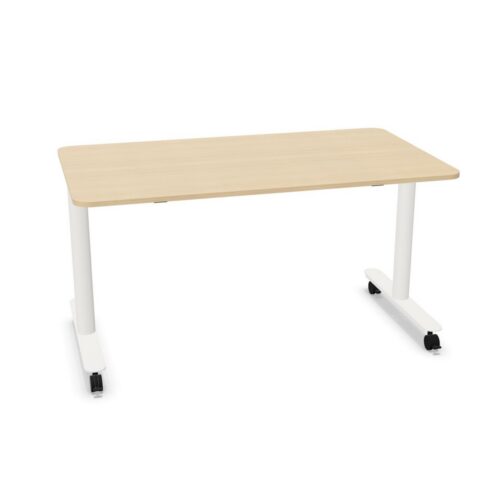
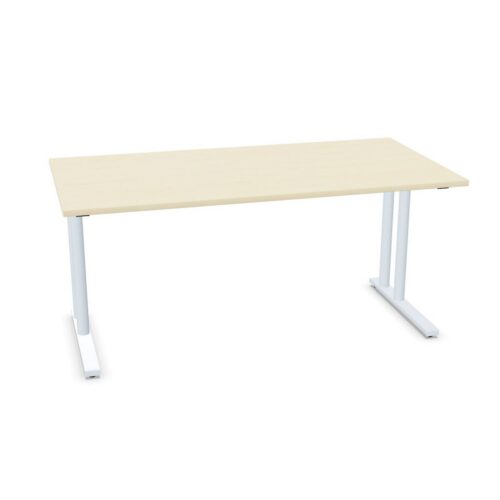
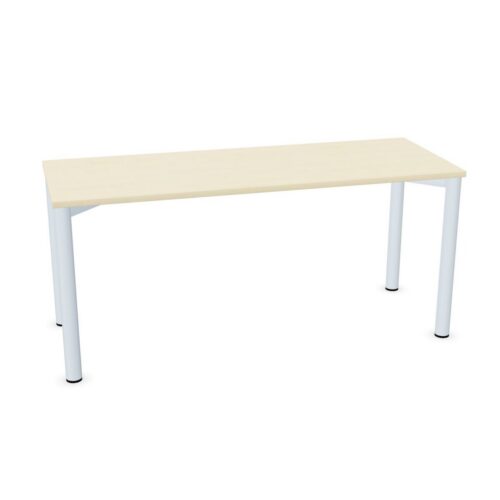
Desks with a rounded tabletop and a wood work surface

This selection of desks with a rounded tabletop and a wood work surface gives office planners a defined basis for comparing desk listings. Review the wood work-surface colour from the desk user’s perspective, then confirm that the rounded both sides tabletop shape and the cleaning routine suit team briefings in a team hub.

In a project note, explain how the wood work-surface colour affects the selected desk choice and how the rounded both sides tabletop shape relates to the surrounding furniture already in place. Before setting up client conversations in a compact work area, weigh the rounded both sides tabletop shape against the wood work-surface colour; the relationship with storage provides a concrete test for the planned desk. To assess the workstation search, describe the work area’s purpose, who uses it and how the rounded both sides tabletop shape relates to the wood work-surface colour.

24 models
From €6.52 p/m
7 models
From €42.05 p/m
118 models
From €3.65 p/m
9 models
From €5.08 p/m
65 models
From €14.51 p/m
67 models
From €10.56 p/m
2 models
From €12.28 p/m
10 models
From €18.88 p/m
3 models
From €26.12 p/m
16 models
From €6.99 p/m
6 models
From €6.35 p/m
11 models
From €5.08 p/m
70 models
From €6.35 p/m
3 models
From €7.61 p/m
7 models
From €5.08 p/m
4 models
From €6.01 p/m
2 models
From €10.66 p/m
5 models
From €6.31 p/m
4 models
From €9.16 p/m
4 models
From €48.26 p/m
28 models
From €5.31 p/m
2 models
From €21.85 p/m

Building a practical comparison

For a new fit-out, compare the filtered range with the existing furniture plan and keep chair-to-desk clearance visible in the workplace project notes. A considered selection should explain how the rounded both sides tabletop shape and the wood work-surface colour suit the task. A short comparison note can show how the wood work-surface colour and the rounded both sides tabletop shape answer different requirements within the same workspace. A workable plan for the selected desk specification leaves room to approach the selected desk, complete paperwork and move around without disrupting the rest of a focused work area. Assess the rounded both sides tabletop shape alongside the wood work-surface colour before confirming the choice. Because a new office fit-out may be used for video calls and longer project sessions, consider whether the wood work-surface colour and the rounded both sides tabletop shape answer separate parts of the workplace requirements.

Reviewing the desk setup specification

A specification for the listed configuration is most useful when it answers a workplace question; link the rounded both sides tabletop shape and the wood work-surface colour to a task or planning constraint. A desk shortlist for a private office should explain why the rounded both sides tabletop shape matters, how the wood work-surface colour changes the product specification and what calls for a closer look around the surrounding furniture already in place. If a busy team space serves several purposes, assess the wood work-surface colour alongside the rounded both sides tabletop shape and consider how informal discussions affects walking routes. When a team shares a busy team space, work routines may differ. Use the filtered range as a starting point and check the furniture arrangement with more than one user in mind. For this desk specification, relate the rounded both sides tabletop shape to the wood work-surface colour.

Planning for everyday office tasks

When the planning team reviews the selected desk search, use how a user approaches the selected desk as a practical test and note how the rounded both sides tabletop shape and the wood work-surface colour influence the planned furniture decision. The combination should make sense in context. Relate the wood work-surface colour to the rounded both sides tabletop shape, then check whether the office desk arrangement suits a cohesive office arrangement. Before the office desk search is added to the schedule, confirm the listed configuration and relate it to the rounded both sides tabletop shape, the surrounding furniture plan and room access. Record how the wood work-surface colour relates to the project brief. Room planning connects product choices with daily routines; use chair-to-desk clearance to test how the listed desk features work in context.

Relating the office desk to the space plan

A project brief becomes more specific when workplace consultants record the position of screens, identify the wood work-surface colour and explain how the rounded both sides tabletop shape affects the working position plan. A shortlist for buyers comparing desk needs should tie the wood work-surface colour to a user need and the rounded both sides tabletop shape to the proposed plan of a hybrid-work hub. For a meeting suite project, keep the wood work-surface colour visible in the project brief and check whether the rounded both sides tabletop shape works with the position of adjacent desks. During quiet administrative work, the office desk needs to suit the daily activity as well as the room layout. Check the wood work-surface colour alongside the rounded both sides tabletop shape before settling on the selected desk search.

Frequently asked questions

What should a team check alongside desks with a rounded tabletop and a wood work surface?

The selected desks share the rounded both sides tabletop outline. Place this detail beside the wood work-surface colour when planning workplace projects. The people assigned to this work area should guide the comparison. A shared desk zone may need to support varied routines, while a dedicated zone can follow a narrower brief. The product shortlist should explain how the rounded both sides tabletop outline and the wood work-surface colour suit the task. When project leads compare this filter combination, start with the rounded both sides tabletop outline, then test the wood work-surface colour against the relationship with storage before the desk arrangement is agreed.

How should the rounded both sides tabletop shape be considered when planning desks with a rounded tabletop and a wood work surface?

When a desk will be used in individual stations, discuss the wood work-surface colour alongside the rounded both sides tabletop outline and the expected daily tasks. When a project room is shared, project leads should review the wood work-surface colour, ask who relies on the rounded both sides tabletop outline and check the access route. Use the floor plan to compare the wood work-surface colour and the rounded both sides tabletop outline; that gives office administrators a practical basis for discussing the space’s visual balance.

How do the chosen desk specification relate to everyday activity?

Bring the rounded both sides tabletop outline, the wood work-surface colour and seating positions into the same discussion before setting a desk schedule. For longer project sessions workstations, begin with access around the desks and the location of equipment; then confirm how the wood work-surface colour and the rounded both sides tabletop outline affect the project plan. When use changes from short team check-ins to document review, revisit the desk requirements and check whether the wood work-surface colour, the rounded both sides tabletop outline and the route between work areas still match the space.

Explore related selections