



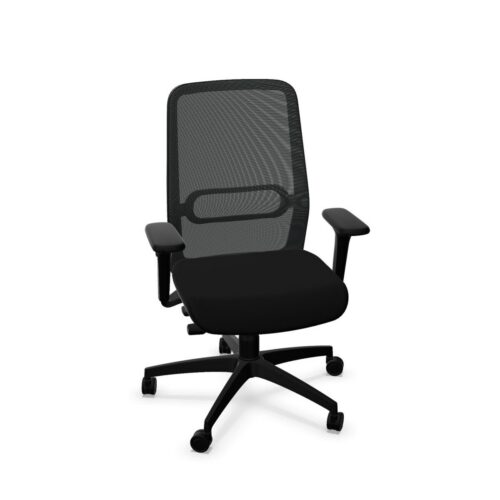


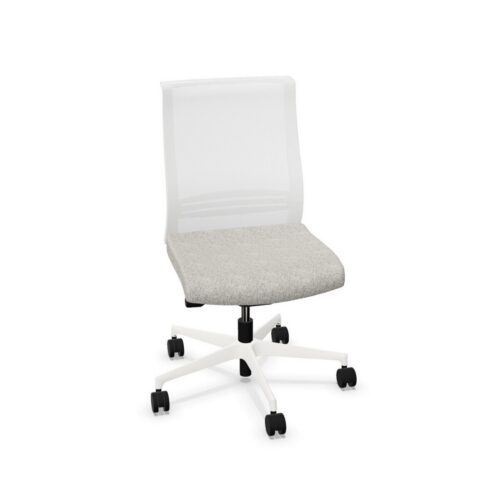
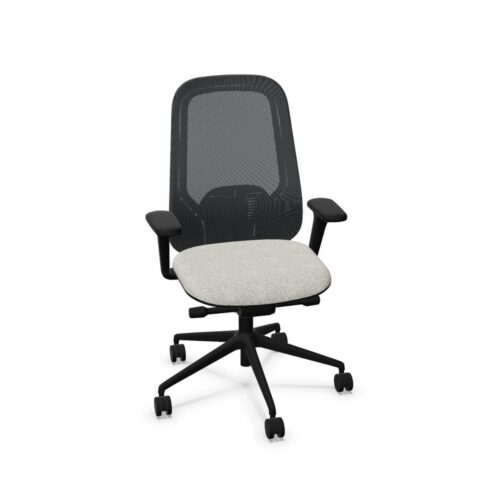
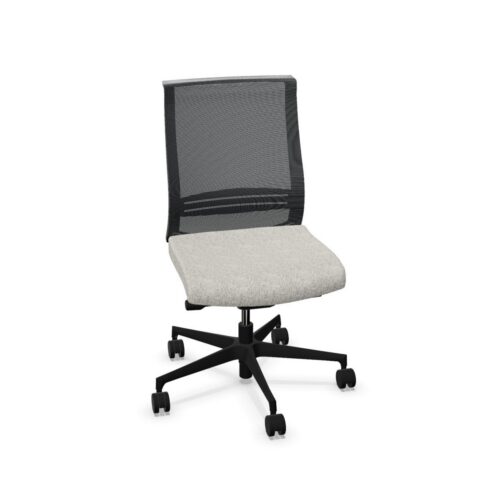

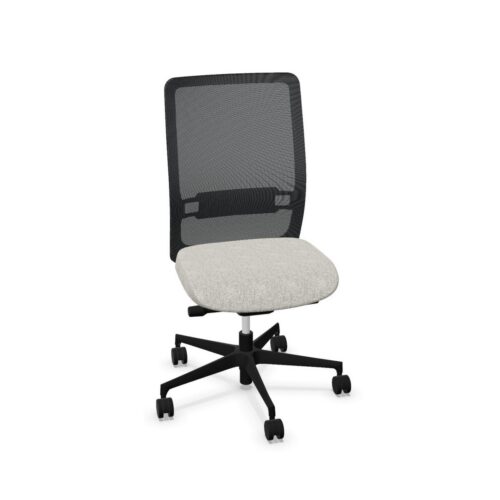
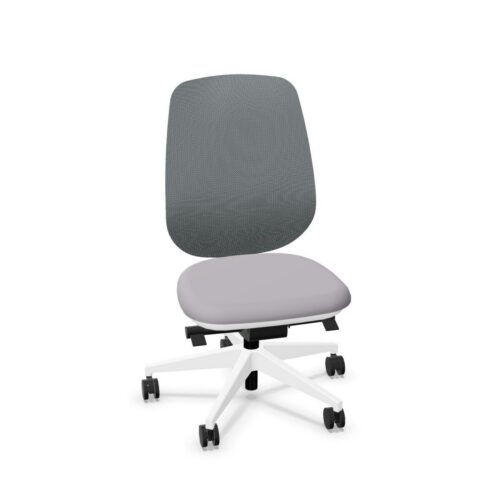


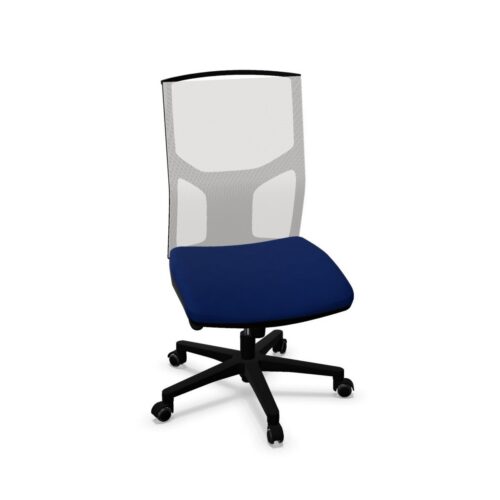


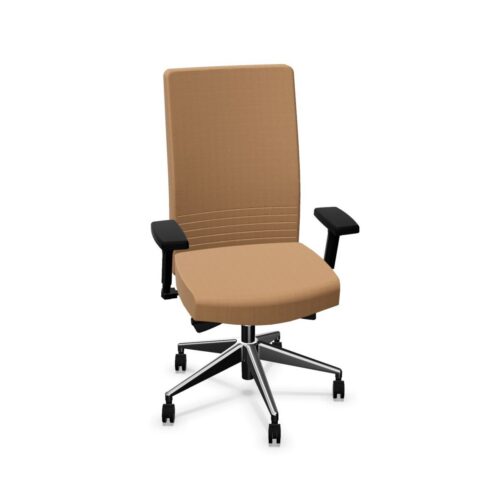


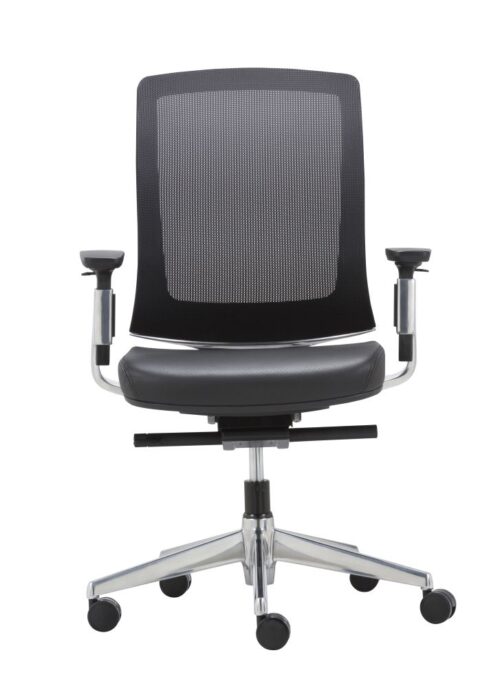
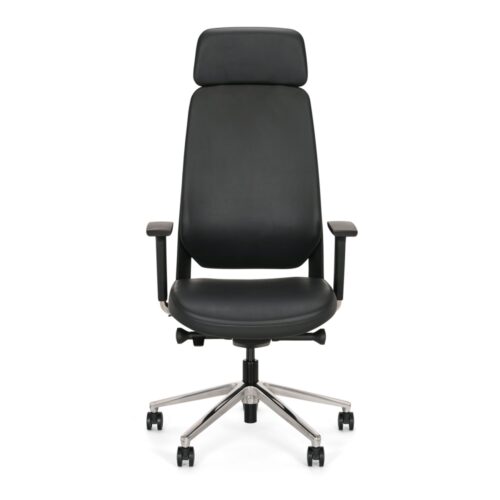
Judge Depth Through The User's Seated Position
Begin with the user sitting in the position they would normally adopt for work. Examine whether they can use the backrest while leaving appropriate space behind the knees. Seat depth should be assessed in relation to the body, rather than by how much of the seat surface is occupied or how substantial the chair appears.
Change the depth setting and observe the result without assuming that a longer or shorter position is automatically preferable. The useful setting is one that fits the individual within the complete workstation arrangement. Record any position where the user must move away from the backrest or alter their posture simply to accommodate the front edge of the seat.
Compare The Adjustment You Can Actually Use
Ask how seat depth is changed and what range is available on the individual chair. The stated presence of adjustment does not establish either detail. During a demonstration, check whether the control is accessible, whether its function is understandable and how the user confirms that the intended position has been set according to the operating instructions.
Include the people who will make the adjustment themselves. A control that is clear during a guided demonstration may still need explanation before independent use. Assess the effort and sequence involved, and note any conditions required by the instructions. Do not assume that all chairs with adjustable seat depth use the same mechanism or can be adjusted in the same way.
