

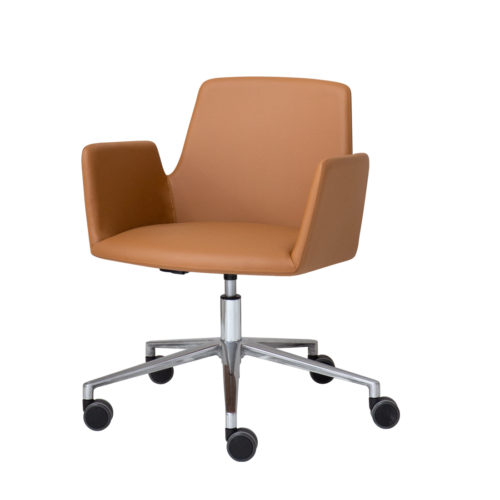
Office Chairs With Aluminium Bases And Armrests

Office chairs with armrests and aluminium bases can be assessed as part of a coordinated seating plan across different workstations. The shared base material and presence of arms give the plan a starting point, but they do not establish identical dimensions or user suitability. An office manager needs to examine how each chair interacts with the desk, the employee and the surrounding floor space before treating that combination as a common solution throughout a room.

Begin by grouping workstations according to their practical requirements. Some may have restricted space beneath the worktop; others may involve frequent movement between screens, documents and nearby colleagues. Compare office chairs within those conditions, checking the armrest arrangement alongside the base dimensions and construction. Aluminium identifies the base material without confirming its finish, weight or documented load limits. Keeping those questions explicit helps the assessment remain useful across the workplace, especially where people share desks or seating moves between different areas during the working week.

13 models
From €1.93 p/m
28 models
From €2.34 p/m
6 models
From €2.64 p/m
8 models
From €10.39 p/m
3 models
From €3.98 p/m
4 models
From €8.36 p/m
4 models
From €6.48 p/m
2 models
From €9.90 p/m
5 models
From €11.93 p/m

Define What Each Workstation Requires

Before comparing office chairs with armrests and aluminium bases, record the conditions at each intended location. Note desk height, the opening beneath the worktop and the position of drawers or supports. Add the activities performed there and the equipment users need to reach. These details help distinguish requirements that can be checked through measurement from those needing a personal trial. Where desks are shared, identify the range of users involved without assuming that one person's assessment represents everyone. A common chair specification becomes more useful when it is matched to clearly described working conditions.

Read The Aluminium Specification Carefully

Aluminium confirms a base material, leaving its exact construction and surface treatment to be established. Ask which parts form the base and request the relevant care instructions. Obtain documented load information and any applicable test evidence for the complete chair. Avoid inferring a particular weight, movement quality or floor arrangement from the material alone. Office chairs need to be assessed through their own dimensions and stated conditions of use. Record this information in a form facilities staff can consult, especially if chairs are reassigned and the original decision maker is unavailable to explain the assessment.

Compare Arm Support Between Users

Trial office chairs with armrests and aluminium bases through the activities represented in the workstation brief. Ask each person to position themselves at the desk and demonstrate ordinary tasks. Observe forearm contact and the relationship between the arms and work surface. Check the available adjustments directly; armrests being present does not confirm a particular setting or range. Include movements towards nearby equipment and the action of standing up. Record where feedback differs between users, then consider whether those differences can be addressed through confirmed settings or require a different seating allocation within the planned workspace arrangement.

Establish Rules For Moving Seating

If chairs will be moved between workstations, define what needs checking after each change. Desk clearance, floor compatibility and surrounding space may differ even within the same office. Confirm the base's floor contact arrangement and review any relevant care instructions with the facilities team. For office chairs used by several employees, make the adjustment information accessible and keep a route for reporting fit concerns. A reassignment should refer back to the documented workstation requirements. This gives the office manager a practical way to maintain the seating plan as teams, desk layouts and individual working requirements change.

FAQ: Aluminium Bases Across The Workplace

Does aluminium establish the chair's weight?

No. The base material alone does not establish the weight of the complete chair or explain how it moves. Check documented dimensions and weight where relevant, then assess handling and floor compatibility in the intended setting using the actual chair and surrounding furniture.

Can the same arms suit shared desks?

That requires assessment with the people using them. Confirm the armrest dimensions and available settings, then compare them with each desk opening. Observe ordinary work as well as entry and exit, and record differences that may affect allocation or the settings users need.

What supports a coordinated seating plan?

Assess office chairs with armrests and aluminium bases against written workstation requirements and individual feedback. Keep construction, care and adjustment information together, and recheck desk clearance when seating moves. The shared material then sits within a practical plan supported by relevant evidence.

Explore related selections