







Translate The Workstation Brief Into Measurements
Measure the usable desk opening, the lowest obstruction beneath the desktop and the space occupied by nearby storage. Note any differences between workstations that appear similar. A supporting rail or drawer unit can change the available clearance, so use the tightest relevant position as part of the assessment process too.
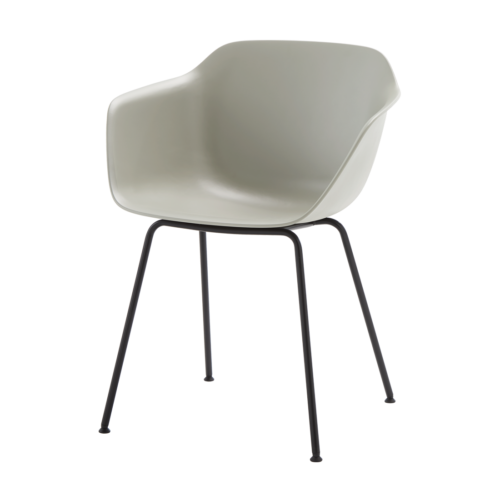
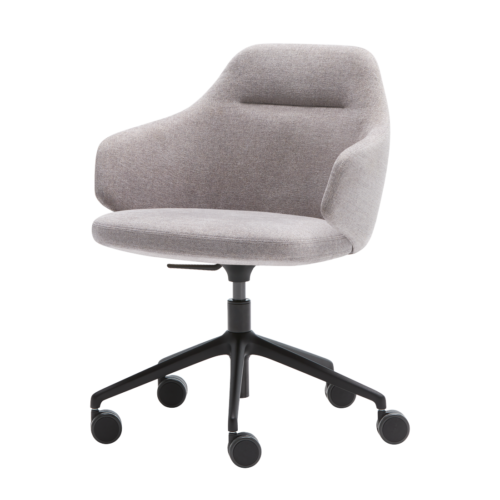
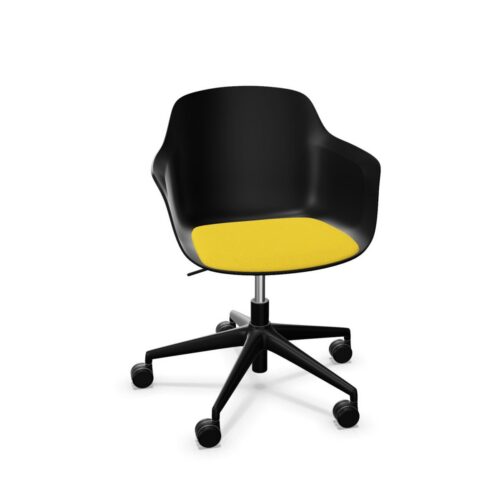
Aluminium base office chairs with fixed armrests should be checked against these measurements while occupied. Record the armrest position relative to the tabletop and the user's forearms. If seat adjustment is available, assess what it changes without assuming that it resolves a fixed arm position that does not suit someone.
Separate Material Facts From Assembly Performance
The base material is useful information, but the complete chair determines practical performance. Confirm the base dimensions, floor contact components and stated operating limits. Avoid treating aluminium as evidence of a particular carrying weight or handling characteristic; construction details can differ and need assessment for the actual seating being considered.
Compare office chairs using confirmed specifications alongside physical observations. If moving seating forms part of the room's routine, establish the actual handling requirements. If chairs remain at assigned desks, concentrate on workstation clearance and floor compatibility. The same material can be relevant to different questions in different office settings.
Test Arm Support Through Real Activities
Ask each participant to demonstrate the tasks that occupy their working day. Include keyboard use, handwritten work and any repeated movement towards equipment or colleagues. Observe where the arms support, obstruct or simply remain unused. This is more informative than asking for an immediate judgement after a brief seated pause.
With aluminium base office chairs with fixed armrests, the practical question is whether the set arm geometry works for the intended users. Record arm height, spacing and length where available, then connect those dimensions to observed behaviour. Keep personal preference separate from a repeated restriction affecting several people during tasks.
