

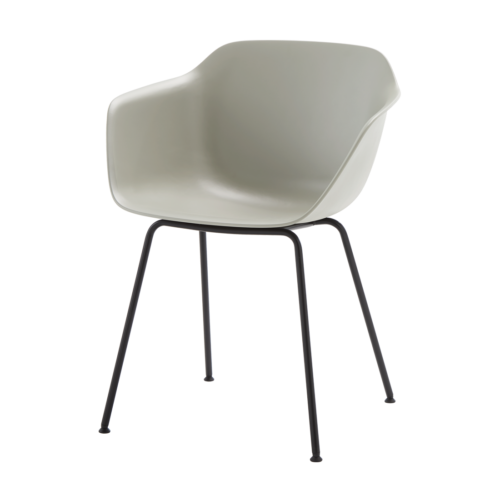
Aluminium Base Office Chairs Without Armrests

Aluminium base office chairs without armrests combine a specified base material with an open arrangement beside the seat. These details answer different questions. Aluminium identifies the base material, while the absence of armrests affects how users approach the desk and position their arms. Neither detail establishes the complete seating experience. A useful comparison therefore starts by separating what is known from what still needs checking, including dimensions, available adjustments and the relationship between the chair and the work surface.

For office managers, this selection is best assessed through a consistent brief. Define the intended tasks, the desks involved and the people who will use the seating. Then compare office chairs under the same conditions. Examine the aluminium base as part of the complete construction, and assess the armless layout during real desk work. This approach keeps a material preference connected to practical requirements without treating it as a substitute for a suitable working position.

7 models
From €7.54 p/m
24 models
From €4.49 p/m
13 models
From €1.93 p/m
28 models
From €2.34 p/m
7 models
From €2.64 p/m
8 models
From €10.39 p/m
11 models
From €3.40 p/m
3 models
From €3.98 p/m
4 models
From €8.36 p/m
4 models
From €6.48 p/m
2 models
From €9.90 p/m
4 models
From €5.25 p/m
7 models
From €13.90 p/m
5 models
From €11.93 p/m
2 models
From €8.96 p/m
2 models
From €19.41 p/m
17 models
From €4.61 p/m
5 models
From €4.69 p/m
12 models
From €9.08 p/m
7 models
From €3.77 p/m
6 models
From €8.16 p/m
13 models
From €3.40 p/m
8 models
From €5.47 p/m
19 models
From €4.02 p/m

Separate Base Material From Whole Chair Performance

An aluminium base is a concrete construction detail, but it does not establish the weight, load limit or durability of the complete chair. Those characteristics depend on more than the named material and require their own evidence. When comparing aluminium base office chairs without armrests, ask for the dimensions and relevant usage guidance for each chair. Examine how the base relates to the seat and supporting components. Avoid ranking office chairs by material alone; use the material as one part of an assessment that also covers fit, movement, maintenance and the intended working environment overall.

Establish A Workable Forearm Position

Without armrests, attention shifts towards the desk arrangement and the user's posture during specific tasks. Observe a person using their normal keyboard and pointing device, then check how they handle documents or other equipment. The assessment should establish an appropriate place for the arms without forcing the person closer to, or farther from, the desk than the task requires. Aluminium base office chairs without armrests need this same practical scrutiny as any other seating arrangement. Record the desktop height and equipment positions during a successful trial so that the setup can be reproduced consistently afterwards.

Inspect The Base Within The Room

Look at the base footprint in relation to desk legs, pedestrian routes and neighbouring seats. The material does not tell you how much floor space the chair requires or how its visible finish will coordinate with existing furniture. Check these points directly. If movement across the floor forms part of normal use, establish which floor contact components are fitted and assess their suitability for that surface. Office chairs should be tested where they will operate, because a clear space used for evaluation may conceal restrictions that appear beside storage, desk supports or shared equipment later.

Build A Comparable Assessment Record

A comparison sheet should distinguish confirmed features, measurements and user observations. Record the aluminium base and absence of armrests, then add verified information about the rest of the chair. For aluminium base office chairs without armrests, this prevents shared attributes from obscuring meaningful differences between candidates. Include seat fit, back contact, adjustment access and the space needed to enter or leave the workstation. Invite feedback from the people expected to use the office chairs, and document any conditions attached to their preference, such as a particular desk height or arrangement of equipment during the trial.

Frequently Asked Questions

Does Aluminium Guarantee A Lighter Chair?

No complete chair weight is established here. The base material alone does not describe the mass of the seat, back or other components. If weight matters for moving or handling seating, request the stated weight of the complete chair before comparing options.

Are Armless Designs Suitable For Shared Desks?

Suitability depends on the users, tasks and desk arrangement. Check how different people position their arms and reach equipment. Also establish which chair settings are available and how easily someone can create an appropriate position when starting work at a shared desk.

Which Floor Details Need Checking?

Identify the floor surface and the components that contact it. Check the relevant guidance and assess movement in the actual workspace. An aluminium base does not, by itself, establish floor compatibility or tell you whether a particular movement arrangement is appropriate.

Explore related selections