

Office Chairs With Armrests And Silver Bases

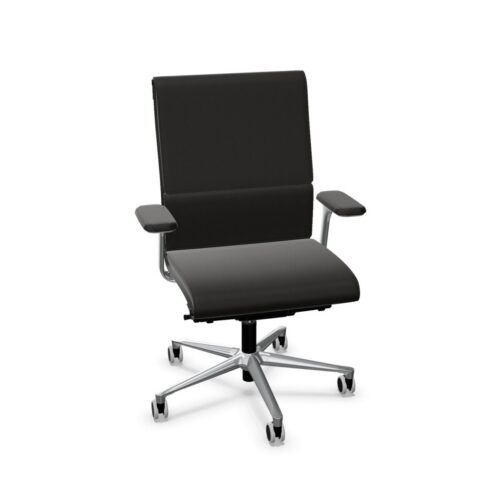
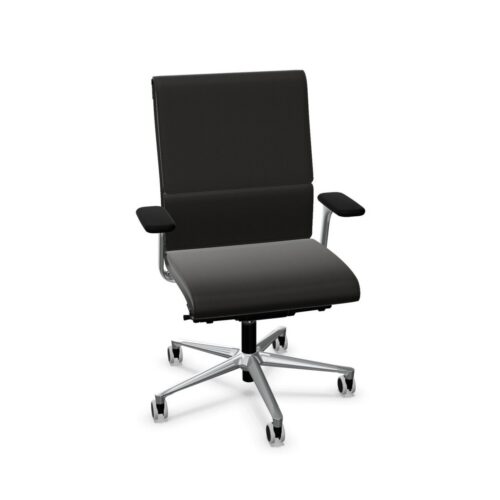
Office chairs with armrests and silver bases can be assessed from the room outwards. The silver base provides a visual reference for surrounding furniture, while the armrests introduce questions about access and seated support. These considerations meet at the workstation: the chair needs an appropriate relationship with the desk and its user as well as the room’s chosen finishes. Silver describes the base appearance here; it does not establish which material lies beneath that appearance.

For an office manager, that distinction makes the initial brief more precise. Compare the visible finish with nearby desk frames and storage, then gather the dimensions and adjustment details needed for a seating trial. Keep material confirmation on the checklist rather than inferring it from colour. Office chairs that share a silver base and armrests can still differ in their proportions, construction and available settings. Evaluate those differences directly before deciding where each chair belongs within the wider workplace arrangement.

4 models
From €28.11 p/m
6 models
From €23.37 p/m
5 models
From €17.49 p/m
2 models
From €13.64 p/m
10 models
From €10.37 p/m
9 models
From €10.37 p/m
5 models
From €3.59 p/m
2 models
From €17.81 p/m
24 models
From €4.49 p/m
11 models
From €3.40 p/m
2 models
From €5.56 p/m
18 models
From €15.83 p/m
51 models
From €4.84 p/m
11 models
From €3.24 p/m
12 models
From €10.76 p/m
2 models
From €6.38 p/m
52 models
From €8.14 p/m
2 models
From €13.78 p/m
2 models
From €17.22 p/m
11 models
From €5.04 p/m

Coordinate Silver At Room Scale

View office chairs with armrests and silver bases in the room where they are intended to sit. Compare the base appearance beside existing furniture under the lighting used during working hours. Ask for finish details if a close visual match matters, since a shared colour description does not establish an identical surface. Consider the base separately from the seat and backrest, whose materials and colours remain unspecified. A room assessment should record what is actually visible from the entrance, surrounding desks and adjacent meeting areas, giving visual decisions a clear basis without extending them into performance assumptions.

Confirm What The Finish Covers

Before establishing a care routine, identify the underlying base material and the treatment responsible for its silver appearance. Request cleaning guidance for that particular combination. An office manager should also ask how marks or surface changes are assessed and which routine inspections are recommended. These questions apply independently of the appearance preferred by the interiors team. For office chairs, the visible finish cannot establish load capacity, construction quality or floor suitability. Keep the relevant documentation with the seating record so facilities staff can follow confirmed instructions rather than interpret the colour description themselves during daily maintenance.

Bring Armrests Into The Seating Trial

Assess office chairs with armrests and silver bases using the desks and equipment employees will actually use. Observe where the forearms rest during typing and where the arms move during reading or conversation. Check whether the armrests permit a suitable approach to the work surface. Their presence does not establish that they can be raised, lowered or repositioned. Record the actual adjustment options and test them with each participant. When several people share seating, compare their experiences individually, including any differences caused by desk height, body proportions or the way equipment is arranged.

Resolve Practical Details Before Allocation

Translate the room review and seating trial into a short allocation record. Include the required desk opening, the chair's occupied space and the confirmed base construction. Establish the floor contact arrangement and inspect how the chair sits within circulation routes. Ask cleaning staff to review access around the base and beneath nearby furniture. Office chairs should be compared using these practical observations alongside user feedback. If a visual match is especially important, describe the accepted finish clearly, but keep that decision separate from unresolved questions about movement, support or care that require their own evidence.

FAQ: Silver Bases In The Office

Does silver mean the base is aluminium?

No. Silver identifies appearance here, and the underlying material needs separate confirmation. Ask for the base construction and finish details before setting care requirements or making material comparisons. Visual similarity between two chairs does not establish that their bases use the same material.

Are adjustable armrests part of this selection?

Armrests are present, but adjustment is not established. Inspect the available controls and dimensions, then trial the chair at the intended workstation. Check the relationship between the arms, user and desk through ordinary activities rather than judging suitability from appearance alone.

How should visual and practical priorities combine?

Assess office chairs with armrests and silver bases against both the room's finish brief and the users' working requirements. Confirm the material, measure furniture clearance and record seating feedback, so the final decision reflects more than the visible base colour.

Explore related selections