



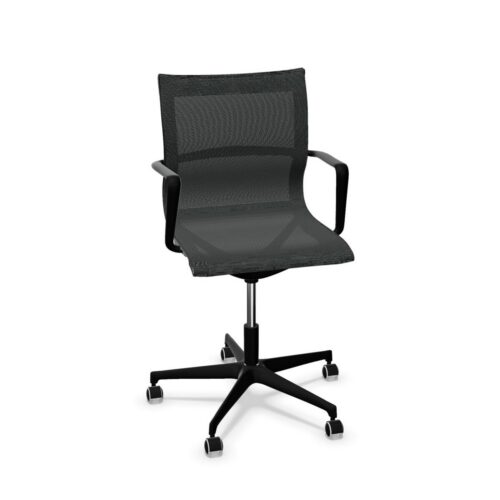


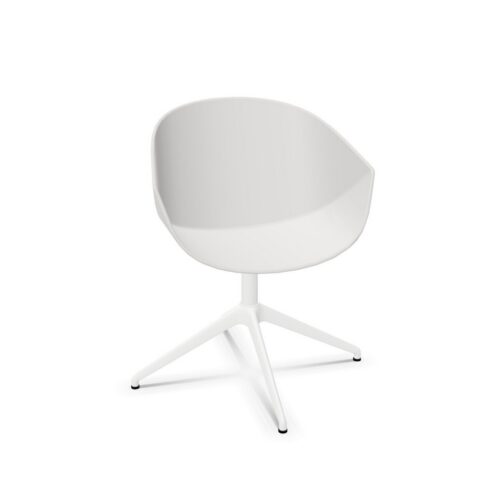


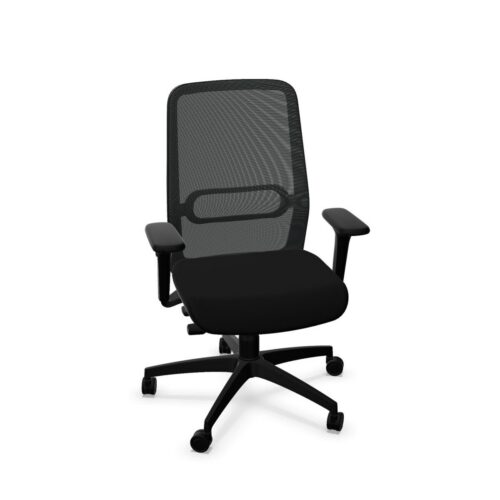


Start With The Surfaces Staying In Place
List the finishes that the seating needs to accompany. Give particular attention to surfaces near the base, including flooring, desk legs and storage supports. If these differ between rooms, group the rooms by their actual combinations. This establishes where a beige finish needs separate assessment instead of assuming that one room represents the entire office.
Decide which relationships matter most within each setting. The brief might call for close tonal coordination or a visible distinction between chair and floor. Describe that intention explicitly. It gives reviewers a shared criterion and makes it easier to explain why a particular beige surface is being considered.
Make Subtle Comparisons Side By Side
Place the proposed beige reference beside the retained finishes under workplace lighting. Examine the surfaces together, paying attention to shade, texture and sheen. A colour name cannot establish an exact relationship between different materials. Where possible, use the complete chair so the assessment includes the amount and position of the beige surface within the arrangement.
Review the seat and back during the same session. Their colours and materials need confirmation, even when attention initially centres on the base. Keep a clear record of the combination assessed. If an alternative changes another visible component, return to the whole arrangement before carrying the earlier judgement forward.
