

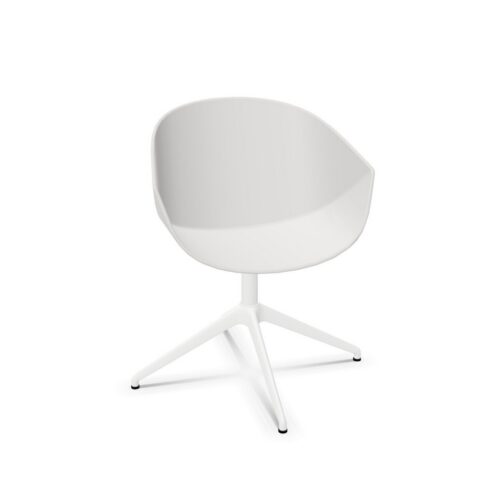
Red Base Office Chairs With Unspecified Standards

Red base office chairs with unspecified standards deserve attention at floor level as well as at the desk. The base colour becomes part of the view between workstations, beneath tables and along circulation routes. Before deciding how prominently red should feature, establish where the seating will sit and who will use it. Appearance can then be considered alongside the practical requirements of each work area, without implying any particular construction or tested performance.

Unspecified standards leave a separate evidence question. They do not confirm compliance with a named standard, and they do not demonstrate a failure. An office manager can keep the assessment clear by recording the intended activities, the seating characteristics that need verification and the role of the red base in the room. This is particularly useful where several people contribute to the decision and visual preferences might otherwise receive more attention than desk compatibility, user fit or documentation.

4 models
From €7.26 p/m
3 models
From €8.88 p/m
5 models
From €13.67 p/m
€11.40 p/m
3 models
From €9.96 p/m
2 models
From €41.00 p/m
24 models
From €4.49 p/m
13 models
From €1.93 p/m
28 models
From €2.34 p/m
4 models
From €4.10 p/m
11 models
From €3.40 p/m
3 models
From €3.98 p/m

Start With the View Across the Floor

Walk through the proposed seating area and note where chair bases will be visible. Red may appear beneath desk openings, beside meeting tables or in the gaps between furniture. Consider these views together before deciding how the colour should relate to floor patterns, desk legs and other nearby coloured surfaces.

Red base office chairs with unspecified standards allow colour to be part of that spatial assessment, but do not establish an exact shade or finish. Use a sample to judge the intended relationship. Check the room under its usual lighting rather than relying solely on a screen image for comparison.

Make Practical Requirements Independent of Red

Define what people need from their office chairs before assessing visual preferences. Identify the work surface, typical activities and expected users. Then check dimensions, adjustment options and access around the workstation. None of these characteristics follows from the base colour, so each needs its own confirmation during the seating review.

If the seating includes arms or a moving base, examine how those elements interact with the desk and surrounding space. If it does not, assess the implications for the intended activity. Keep observations specific to the configuration being considered, rather than extending assumptions from another chair that happens to resemble it.

Resolve Unspecified Standards With Focused Questions

Red base office chairs with unspecified standards should prompt a precise documentation request. Ask whether any standards are declared for the exact configuration, what supporting evidence exists and which intended uses that evidence addresses. Record the answer in language that colleagues can understand without interpreting the red colour as a technical characteristic.

Where information remains unavailable, keep the uncertainty visible in the comparison. Do not describe the seating as certified, untested or noncompliant without evidence supporting that description. The useful distinction is between a confirmed characteristic and an unresolved question, particularly when several departments need to review the same proposed seating arrangement.

Compare Seating in Its Intended Position

A practical assessment should place the chair at the kind of desk where it will be used. Ask representative users to consider their working position, access to any controls and available movement space. Review the red base from nearby positions as well, including the approach to neighbouring desks and storage.

Bring those observations together when comparing red base office chairs with unspecified standards. A consistent record can cover user comments, workstation compatibility, colour relationships and documentation still required. This keeps office chairs comparable across rooms while allowing the final assessment to reflect the actual activities and surroundings of each location.

FAQ: Reviewing Red Base Seating

Can red bases define a seating zone?

They can be included in a visual plan for a particular zone, provided the intended meaning is clear to colleagues. Colour alone does not establish a seating function. Practical suitability and any requirements for that area still need to be assessed separately.

What does unspecified standards information establish?

It establishes no particular standard for the seating described here. It does not determine whether tests have occurred or how the chair performs. Ask for relevant documentation before making a standards claim or relying on one during the workplace seating assessment.

Should upholstery match the red base?

That depends on the room scheme and the upholstery actually available for the configuration. A red base does not establish the seat colour. Compare the proposed combination with desks, flooring and surrounding furniture to decide how coordinated or contrasting it should appear.

Explore related selections