

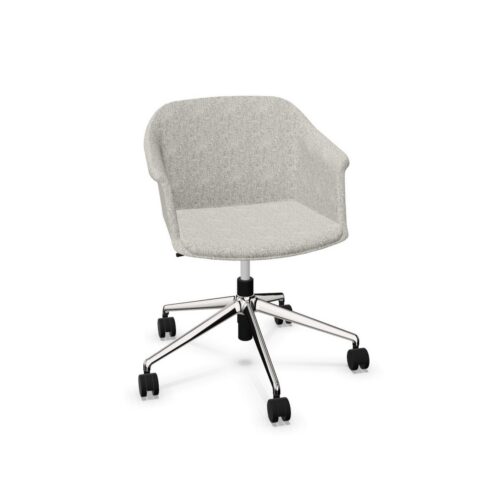
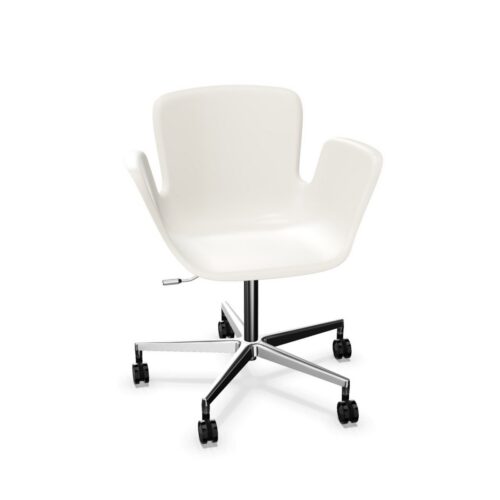
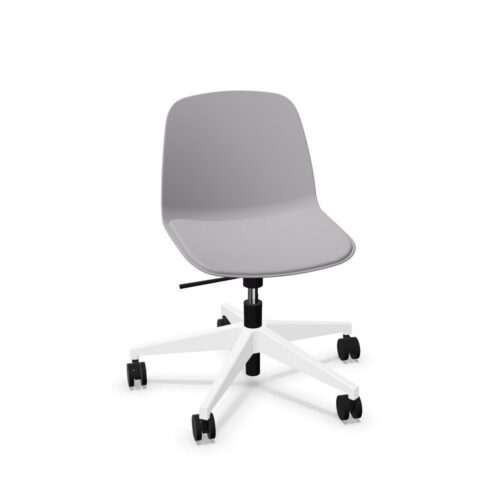
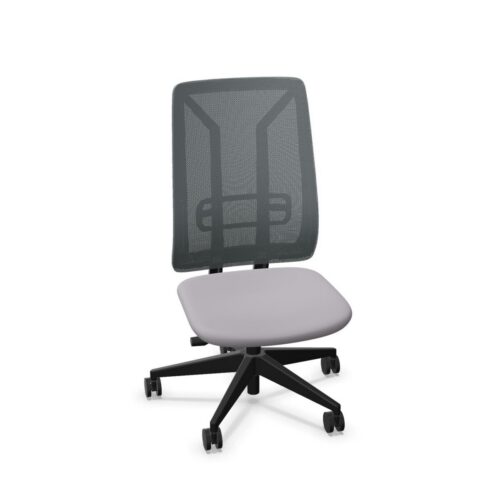
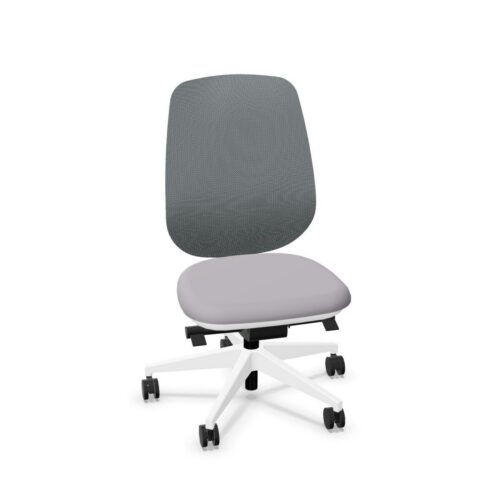
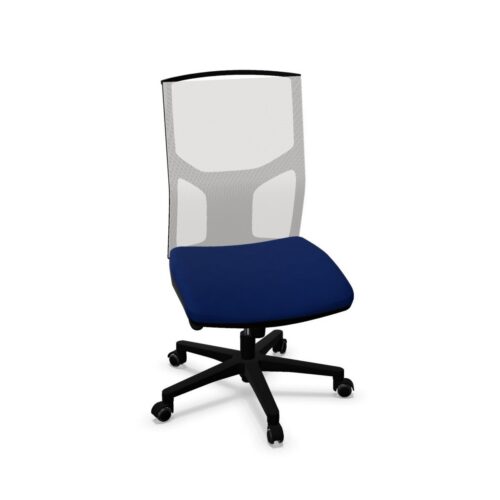
Aluminum Base Office Chairs With Fixed-Height Backrests

Aluminum base office chairs with fixed-height backrests bring two separate decisions into the same seating brief: base construction and the position of the backrest. The aluminum base defines one part of the chair, while the backrest cannot be moved up or down. For an office manager, the main task is to establish how that fixed position suits the people who will use the seating. Material choice alone does not establish comfort, load capacity, or suitability for prolonged desk work.

Start the comparison at the workstation, with users seated against the backrest and their feet supported. Check where the backrest meets each person’s back, then examine the remaining adjustments individually. Seat height, seat depth, arm support and any reclining action need separate confirmation. These office chairs merit a practical fitting process because a backrest that stays at one height offers no vertical correction if its supporting areas meet a user too high or too low during their normal desk tasks.

4 models
From €7.26 p/m
2 models
From €19.56 p/m
2 models
From €13.64 p/m
10 models
From €10.37 p/m
3 models
From €7.48 p/m
2 models
From €23.78 p/m
5 models
From €3.59 p/m
2 models
From €7.97 p/m
2 models
From €3.69 p/m
2 models
From €17.81 p/m
28 models
From €2.34 p/m
6 models
From €2.64 p/m
4 models
From €4.10 p/m
4 models
From €7.32 p/m
4 models
From €8.24 p/m
10 models
From €5.35 p/m
12 models
From €7.44 p/m

Fit the fixed backrest before comparing finishes

With aluminum base office chairs with fixed-height backrests, the backrest position should be assessed early in the selection process. Ask users to sit in their usual working posture rather than holding an exaggerated upright pose for a brief demonstration. Observe the contact between the backrest and the back through ordinary keyboard and reading tasks. A comfortable first impression is useful, but it should be checked again after users have settled into the seat. Include colleagues with different torso lengths, since differences in body proportions can matter even among people of similar overall height.

Read aluminum base construction in context

The base material tells you that aluminum is used in the base; it does not describe every component beneath the seat. Check the complete assembly, including its dimensions and its contact with the floor. Where movement is needed, establish which castors or glides are fitted and whether they suit the actual flooring. Do not infer low weight, a particular surface finish, or a stated load rating from the material alone. For office chairs used around desks, assess the base footprint alongside nearby storage, desk legs and the space needed for users to approach their seats.

Match remaining adjustments to the workstation

When comparing aluminum base office chairs with fixed-height backrests, keep a separate record of the features that affect desk access. Confirm seat height adjustment before assuming that users can position themselves comfortably at a particular worksurface. If armrests are present, check their relationship with the desk edge and the user's elbows. If the chair reclines, review that movement without treating it as a substitute for backrest height adjustment. These checks help distinguish a suitable combination from one that requires users to change their posture simply to reach the keyboard or remain close to the desk.

Build a clear team assessment record

A useful assessment of aluminum base office chairs with fixed-height backrests captures who tried the seating, where they used it and which concerns remained. Record observations about back contact separately from comments about base appearance. This prevents a preferred finish from obscuring a poor physical match. For shared areas, compare the experience of several intended users before applying one person's judgement to the whole team. Agree how exceptions will be handled when the fixed backrest position does not suit someone. Retain the findings so later seating decisions can follow the same practical criteria across the office.

Questions about fixed-height aluminum base seating

Does a fixed backrest mean a fixed seat?

No. Backrest height and seat height are separate features. This selection establishes that the backrest cannot move vertically. Check the seat adjustment on each chair and test the resulting sitting position at the intended desk before making a selection.

Are aluminum bases suitable for every floor?

The base material alone cannot answer that. Floor compatibility depends on the components touching the floor, including any castors or glides. Confirm their suitability for the surface and assess movement, stopping and access in the actual room.

How should different users test the backrest?

Ask each person to sit naturally, complete representative tasks and describe where the backrest contacts their back. These office chairs need individual assessment because the backrest height cannot be changed to correct an unsuitable contact position.

Explore related selections