

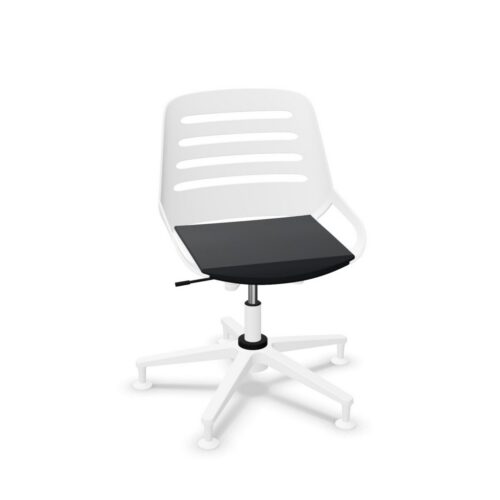
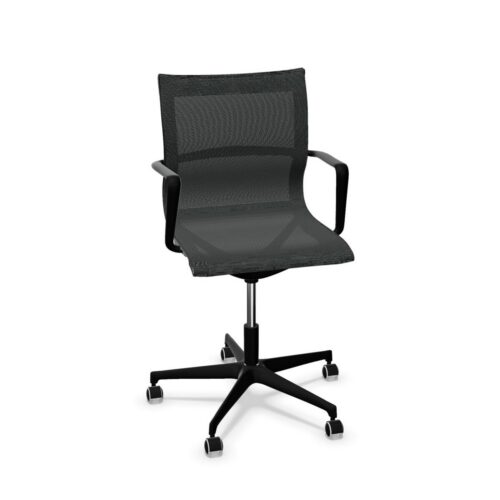
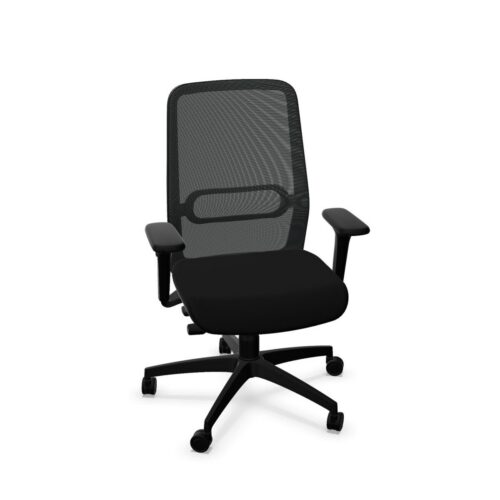
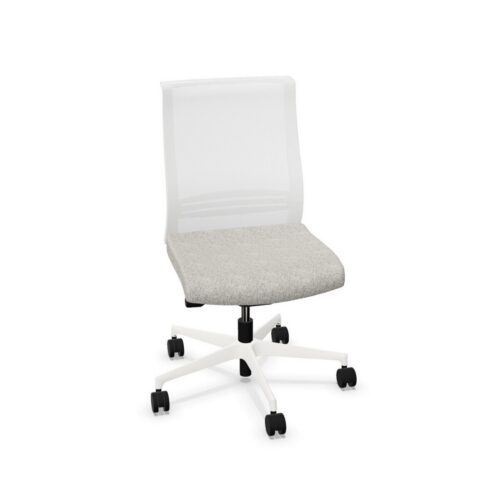
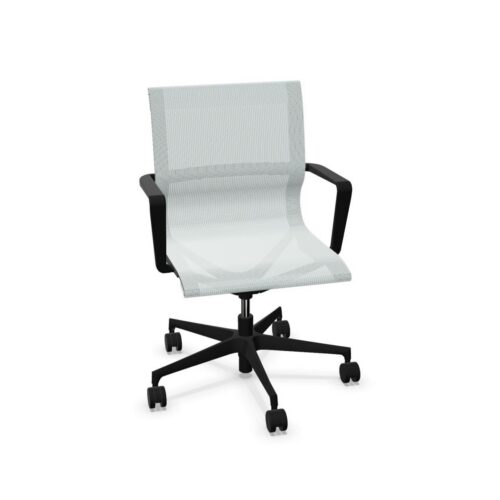
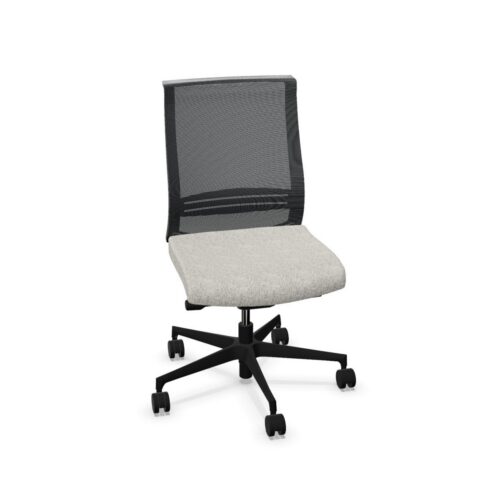
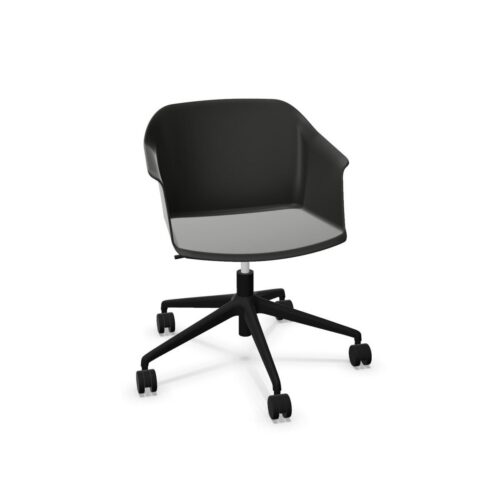
Plastic Base Office Chairs With Fixed Seat Depth

Plastic base office chairs with fixed seat depth require two distinct checks within a workspace plan: the seat must fit its user, and the base must work within the available floor area. The depth cannot be adjusted, so a room layout alone cannot establish suitability. Begin with the people who will occupy the seats, then examine how each chair sits beside desk supports, storage and circulation routes. The plastic construction identifies the base material without specifying its footprint or finish.

In a closely arranged workspace, it is tempting to choose seating by its outline on a drawing. Add a seated trial before finalising the plan. Office chairs occupy space differently when people approach a desk, work and leave their seats, and those movements deserve direct observation. Check the fixed depth against leg proportions and backrest contact, then review other confirmed adjustments separately. Keep any unresolved fit requirement visible, even if the chair appears to fit neatly within the proposed furniture arrangement on paper.

2 models
From €10.32 p/m
3 models
From €10.49 p/m
3 models
From €10.17 p/m
2 models
From €6.13 p/m
2 models
From €9.18 p/m
5 models
From €13.67 p/m
19 models
From €2.38 p/m
4 models
From €17.65 p/m
6 models
From €23.37 p/m
4 models
From €7.99 p/m
2 models
From €11.25 p/m
5 models
From €17.49 p/m
2 models
From €17.02 p/m
10 models
From €10.37 p/m
9 models
From €10.37 p/m
24 models
From €4.49 p/m
13 models
From €1.93 p/m
28 models
From €2.34 p/m

Separate Seat Fit From Room Fit

A chair can fit beneath a desk while failing to provide an appropriate seated position for its occupant. Plastic base office chairs with fixed seat depth should therefore be assessed at both scales. First, ask the user to sit naturally against the backrest and check comfortable clearance behind the knees. Then observe the relationship with the desk and everyday equipment. Finally, examine the surrounding floor space during entry and exit. Recording these checks separately makes it easier to identify the source of a problem. It also prevents a convenient furniture arrangement from becoming the only reason for assigning a particular seat.

Measure the Actual Base Footprint

The word plastic does not indicate how far a base extends or how it interacts with nearby furniture. Obtain the relevant dimensions and compare them with the planned desk arrangement. Include supports, drawer units and other objects below the work surface. Where office chairs need to move within a restricted area, observe that movement with a person seated and during a normal departure from the desk. Review the fitted floor-contact components and relevant guidance for the surface. A drawing remains useful, but its measurements should be checked against the complete chair and the activities expected within the space each day.

Make Fixed Depth an Allocation Criterion

For plastic base office chairs with fixed seat depth, allocation should reflect the user's proportions and working requirements. Request a clear depth measurement and understand its reference points before comparing seats. A practical trial then shows how that dimension relates to the individual. If someone must move away from the backrest to avoid pressure at the seat edge, record the issue and assess an alternative. Do not assume other controls can compensate for every mismatch. Their presence and effect need separate verification. The aim is an informed seating assignment that works within the room plan while respecting each person's observed requirements.

Keep Planning and Care Notes Together

Once the seating arrangement is agreed, retain the information that informed it. Record the intended occupant, relevant seat dimensions and the base footprint alongside the room plan. Plastic base office chairs with fixed seat depth may need reassessment if people or desks change, because the original fit decision belongs to a particular arrangement. Keep the supplied care instructions accessible to the staff responsible for cleaning. Plastic alone does not identify a surface treatment or suitable cleaning method. A concise seating record helps the next office manager understand both the practical layout and the individual considerations behind it during later workplace changes.

Layout and Fit Questions

Does fixed depth make a chair compact?

No. Fixed depth describes the absence of a seat adjustment, not the overall size of the chair. Review the complete dimensions and base footprint, then check how the seating works within the intended desk arrangement and the available floor space.

Can the same seat serve different people?

It may, provided the fixed dimension works for those users. Include the people concerned in a seating trial and review other confirmed adjustments. If a suitable position cannot be established, record that limitation when deciding how the seats will be allocated.

Does plastic specify a cleaning method?

No. The material name does not identify the precise surface or its care requirements. Use the instructions supplied for the actual base and finish. Keep those instructions with the workplace cleaning guidance so staff can follow the relevant method consistently.

Explore related selections