







Let Seat Length Lead The Assessment
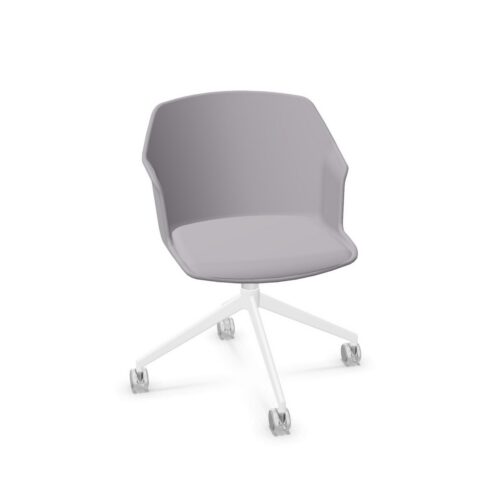
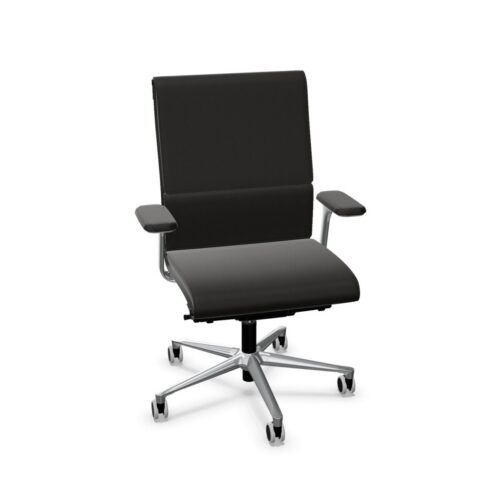
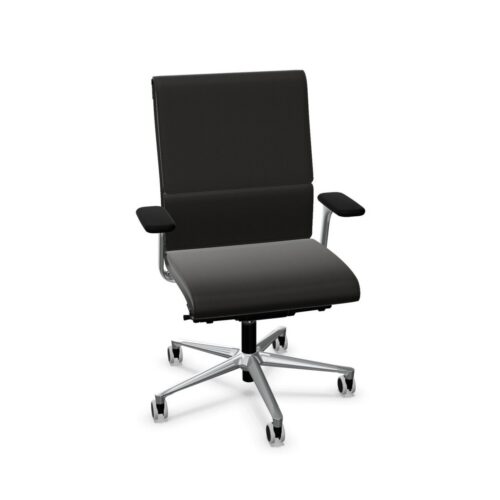
Silver base office chairs without seat depth adjustment need a sitting surface that works in its existing dimensions. Ask users to sit fully back and notice where the front edge meets their legs. They should assess thigh support and space behind the knees while carrying out a representative desk task. If the seat feels unsuitable, changing an unrelated control may not resolve the depth mismatch. Record the experience alongside any stated seat dimensions. This gives the office manager a clearer basis for comparison than judging fit from the chair's overall silhouette or the base finish alone.
Separate Fixed Depth From Other Functions
A seat without depth adjustment can still require a careful review of its other functions. Check the available information for seat height, backrest movement and arm support rather than treating their presence or absence as implied. During a trial, change one available control at a time and identify what it actually changes. Compare office chairs with the same task in mind, since a setting that works for one activity may feel different during another. Record which adjustments are confirmed and which remain unknown. This prevents a narrow fact about seat depth from becoming an inaccurate description of the whole chair.
Place Silver Within The Room Scheme
For silver base office chairs without seat depth adjustment, visual assessment should follow the initial fit check. Place the sample beside desk frames and storage units, then view it from the routes people use through the room. The base may be partly concealed when someone is seated, so include both occupied and unoccupied positions. Consider the relationship with flooring as well as furniture finishes. Silver indicates the selected appearance here; it does not prove aluminium construction or a particular surface treatment. Request care guidance for the actual finish before deciding how it fits existing workplace maintenance routines.
