

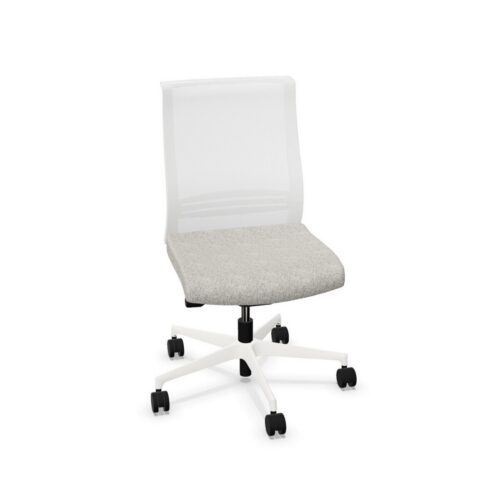
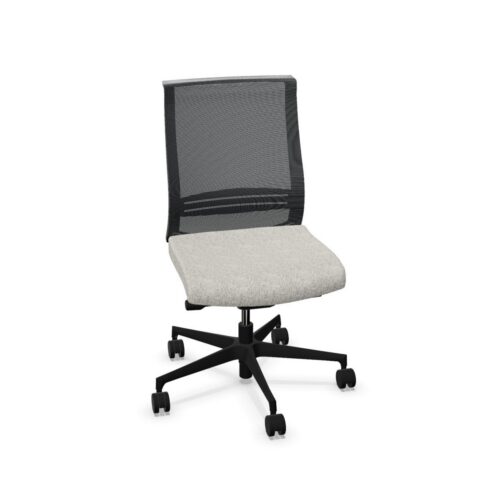
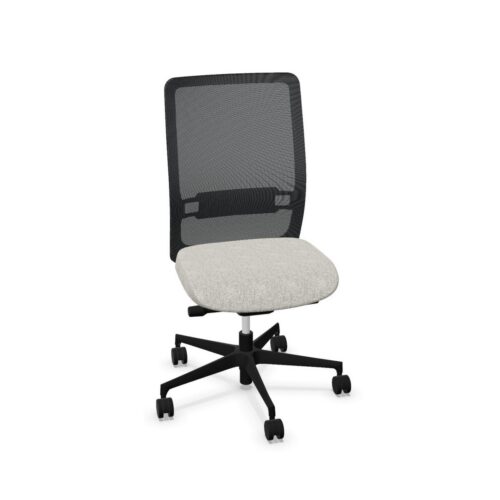
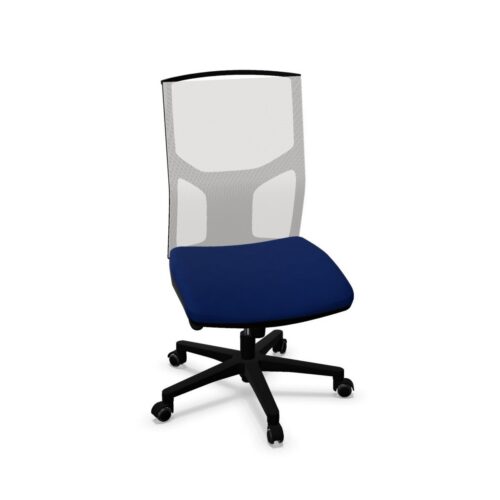

Plastic Base Office Chairs With Adjustable Seat Depth

Plastic base office chairs with adjustable seat depth combine a stated base material with a seat setting that can be changed between users. For a team that rotates through workstations, the central question is how easily each person can establish a suitable position. Depth adjustment should be considered alongside backrest contact, space behind the knees and access to the work surface. The plastic base needs its own assessment, based on confirmed construction details and the conditions of the intended room.

Give the team a role in the comparison. Ask participants to explain what they changed, why they changed it and whether the available position suited their normal tasks. These office chairs should be judged through that experience as well as their stated dimensions. Do not infer the type of plastic, chair weight or rated capacity from the material name. Equally, do not assume that adjustable depth guarantees a workable setting for everyone. Keep the trial focused on the people and activities involved.

6 models
From €10.17 p/m
4 models
From €6.13 p/m
4 models
From €7.99 p/m
5 models
From €17.49 p/m
2 models
From €17.02 p/m
9 models
From €10.37 p/m
4 models
From €7.32 p/m
4 models
From €8.24 p/m
10 models
From €5.35 p/m
12 models
From €6.44 p/m
6 models
From €8.63 p/m
7 models
From €2.97 p/m
10 models
From €7.46 p/m
13 models
From €5.23 p/m

Let Users Explain Their Setup

A team trial becomes more useful when participants describe their decisions. With plastic base office chairs with adjustable seat depth, ask each person to identify the control and explain how changing the seat affects their position. Encourage them to assess contact with the backrest and comfortable clearance behind the knees together. Record their observations in ordinary language rather than reducing the trial to a simple preference score. This gives the office manager evidence about fit, understanding and control access. It also highlights where a short introduction may help and where the available adjustment range needs closer examination before allocation decisions.

Test the Range Across Tasks

People may use the same workstation for focused computer work, reading and conversations. Include representative activities when reviewing the available depth positions. Confirm the stated range and observe whether users can maintain a workable relationship with the desk after making changes. Other adjustments may influence the result, so identify those controls individually and include them where present. Office chairs should be assessed as complete working seats, even when depth is the main comparison point. Avoid attributing a successful or unsuccessful trial to one feature until the desk arrangement and the other confirmed settings have also been considered with the participant.

Specify the Plastic Base Clearly

Plastic is a material category rather than a complete construction specification. For plastic base office chairs with adjustable seat depth, request any additional base information needed for your requirements. This may include dimensions, finish details and relevant care guidance. Obtain rated capacity or complete chair weight separately if either affects allocation or handling. Review floor interaction through the components actually fitted to the chair and the instructions for the intended surface. Keeping these checks separate prevents assumptions about plastic from replacing evidence. It also allows the base and seat adjustment to be compared against their different roles within the workspace.

Support Everyday Reassignment

If seats are regularly reassigned, make the setup guidance part of the team's normal workstation routine. Explain how to locate the depth control, operate it and check the resulting position. Plastic base office chairs with adjustable seat depth should be introduced with instructions that reflect their actual controls, including any other confirmed adjustments. Ask users to report when they cannot achieve a suitable fit rather than repeatedly trying the same settings. Retain trial notes so recurring issues can be reviewed against the original assessment. This creates a practical feedback loop between the people using the seats and the manager responsible for allocation.

Team Seating Clarifications

Does adjustable depth remove fit differences?

No. It provides an adjustment, but the available range and overall seat dimensions still need to accommodate the user. Compare the seating with representative team members and record any requirement that remains unresolved after the available settings have been explored.

What can be inferred from plastic?

Only the stated base material. It does not identify the polymer, construction method, finish, complete chair weight or rated capacity. Request the details relevant to your workspace and assess them individually instead of relying on general expectations about the material.

How can users report setup difficulties?

Give them a clear contact and ask which position or task remains difficult. A useful report describes the setting tried and the issue experienced. Review that information at the workstation, where the desk arrangement and available controls can be considered together.

Explore related selections