

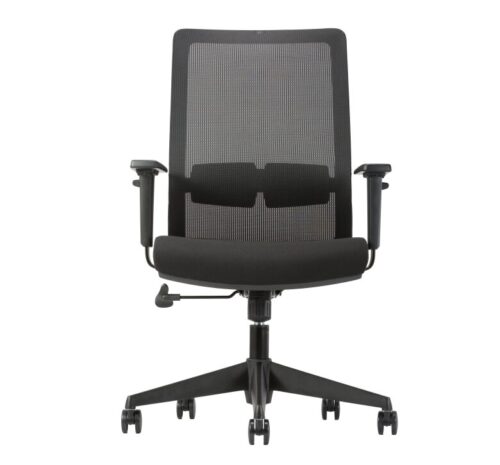

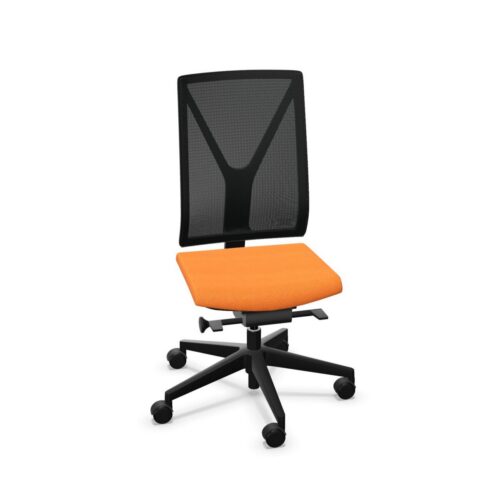
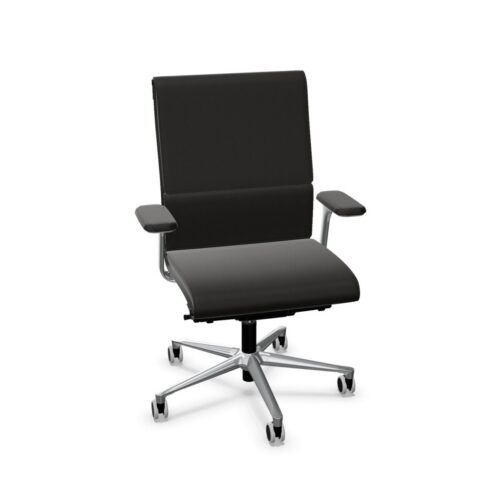
EN 1335 Office Chairs With Plastic Bases

EN 1335 office chairs with plastic bases bring a material choice and a stated standard into the same seating assessment. Plastic identifies the selected base material, without establishing its particular formulation, construction or finish. For an office manager, the comparison therefore needs to move beyond a general impression of the base. Examine the complete chair, the instructions that accompany it and the conditions at the intended workstation. That approach gives the material and standard useful roles within a broader assessment of daily use.

Start with the people who will operate the seating and the staff who will maintain it. Their questions may concern different parts of the same chair: adjustment access, clearance around a desk, suitable cleaning methods or the reporting of visible damage. Compare office chairs through these responsibilities, checking details individually rather than assigning expected characteristics to plastic. A coordinated review can then connect user fit, facilities routines and the EN 1335 designation with the specific base construction being considered for the workplace.

4 models
From €7.99 p/m
2 models
Price on request
€4.49 p/m
1 models
From €13.90 p/m
18 models
From €15.83 p/m
3 models
From €16.85 p/m
2 models
From €8.08 p/m
4 models
From €7.75 p/m
2 models
From €9.27 p/m

Describe The Base Before Judging It

Record the base dimensions, visible construction and any relevant care information before making comparisons. The broad term plastic does not establish the precise material formulation or the design of the complete component. EN 1335 office chairs with plastic bases should therefore be assessed through their individual specifications and instructions. Inspect the parts that are accessible during ordinary use, without assuming that appearance reveals every construction detail. Where information is missing, note the question clearly. This gives office managers a consistent way to compare seating while keeping material preferences separate from statements that require more specific evidence about the chair itself.

Connect Inspection With Facilities Responsibilities

Agree who will notice, record and respond to concerns about the seating. A useful routine distinguishes visible surface marks from issues involving adjustment controls or other components. Check the instructions before choosing cleaning products or methods for the base. EN 1335 office chairs with plastic bases need care based on the actual surface and construction, rather than a generic rule for all plastic furniture. Make reporting straightforward for users and facilities staff. Include the chair's location and a description of the concern so that the relevant person can assess it without relying on an unclear message about general seating condition.

Assess The Seat Above The Base

The base is only one part of the user's experience. Check the seating position at the intended desk, including the relationship between the seat, work surface and frequently used equipment. Review whichever adjustments are actually provided, and allow time to understand the controls before comparing responses. Compare office chairs with feet supported and access to the desk considered. If armrests are fitted, assess their clearance and whether they affect the approach to the workstation. A plastic base does not determine those details. Recording them separately makes it easier to identify why one chair may suit a particular role or room.

Use EN 1335 In A Complete Comparison

Keep the stated designation visible without treating it as a substitute for the remaining specification. EN 1335 office chairs with plastic bases still require checks of dimensions, control functions and intended use. In shared spaces, examine how a new user identifies the settings and establishes a workable position. At assigned desks, give the regular user an opportunity to assess normal tasks. Review floor contact components in either setting, since the base material alone does not identify them. Bring the findings together in a short written assessment that explains how the chair fits the desk, person and maintenance arrangements under consideration.

Questions On Plastic Bases And Fit

Does plastic identify the exact base formulation?

No. Plastic is a broad material description. Refer to the individual construction information for any more specific material details, and avoid inferring weight, strength or care requirements from the general term or the base's visible appearance.

Does EN 1335 specify the controls present?

The stated designation is not a complete list of a chair's features. Review the actual adjustment information and try the available controls at the intended desk to understand how the seating accommodates its users and tasks.

How should cleaning arrangements be checked?

Compare the chair's care instructions with existing facilities procedures. Confirm suitable products and methods for the actual base surface, then explain responsibilities and reporting routes to the people who use, clean and inspect the seating regularly.

Explore related selections