

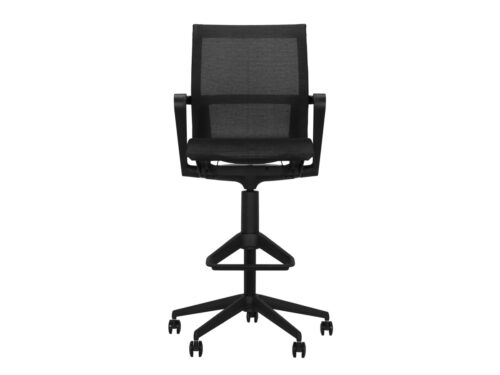
Plastic Base Office Chairs Without Stated Standardisation

Plastic base office chairs without stated standardisation bring two separate questions into an office seating review: how the base fits the setting, and what evidence supports the intended use. The plastic base identifies a component material. The absence of stated standardisation leaves formal assessment requirements to be clarified. Neither fact establishes the chair’s dimensions, adjustment options or suitability for a particular workstation. Start with the room and the people using it, then examine the information needed to reach a reasoned decision.

An office manager can organise this review around daily transitions: approaching the desk, sitting down, changing tasks and leaving the workstation. These moments reveal practical questions about space and operation that a material description cannot answer. Compare office chairs under the same conditions, noting which observations concern the base and which concern the complete seat. Keep any requirement for documented standards alongside the practical assessment, so that a comfortable trial does not become a substitute for missing evidence.

€9.00 p/m

Map The Base Against Workstation Space

Assess plastic base office chairs without stated standardisation in the position where they will be used. Measure the available space beneath and around the desk, and establish the base dimensions from the individual chair information. Look at routes past adjacent furniture, particularly where people enter a compact workstation from the side. Do not infer clearance from photographs or from the material alone. If floor contact components are relevant to the room, identify their type and any stated floor suitability separately. Record the room conditions with the measurements so that the same assessment can be repeated elsewhere.

Separate Plastic Material From Complete Chair Performance

Treat the base material as one part of the specification, rather than a summary of the chair. Plastic does not, by itself, establish load capacity, overall weight or a cleaning method. Request those details where they affect the workplace brief. For plastic base office chairs without stated standardisation, a useful comparison distinguishes confirmed information from open questions. Assign each unanswered point to someone responsible for resolving it. This is especially helpful where facilities staff review maintenance while another colleague assesses workstation fit. Their observations address different needs and should remain identifiable in the decision record.

Give Users A Consistent Comparison Routine

Set up a short sequence of representative activities before comparing office chairs. Ask users to approach the desk, settle into their working position and reach the equipment they normally use. Explain any controls that are present, then allow time to try them. Compare the results using the same workstation arrangement wherever practical. Distinguish a concern about the chair from a desk height or equipment placement issue. For shared seating, include people whose working arrangements differ, and record the settings each person uses. This creates a practical account of fit without assigning benefits to an unspecified plastic construction.

Resolve Standardisation Questions Before Final Allocation

Keep the status of plastic base office chairs without stated standardisation explicit throughout the review. If your organisation requires a particular documented standard, identify what supporting evidence is needed before allocating the seating. An unstated designation does not reveal which tests, if any, have taken place. Ask for clarification rather than filling that gap with assumptions based on appearance or trial impressions. Document the outcome alongside practical findings, including any outstanding restrictions in the workplace brief. This gives colleagues a clear account of what has been established and what still needs an answer.

Plastic Base Seating: Practical Questions

Does a plastic base determine chair weight?

No. Base material alone does not establish the weight of the complete chair. Confirm the stated weight and handling guidance if staff need to move seating between rooms or change workstation layouts.

Can a user trial establish standardisation?

A trial can record practical observations about working position and operation. It cannot supply a missing standards declaration. Keep the trial findings and any formal evidence as separate parts of the assessment. If formal documentation is required, resolve its availability before allocation.

What should the maintenance review cover?

Check the care instructions for the specific chair, including guidance relevant to its base and floor contact components. Establish who will record condition concerns and where staff can find the instructions when routine care is needed. Include these responsibilities in the handover whenever seating changes location.

Explore related selections