









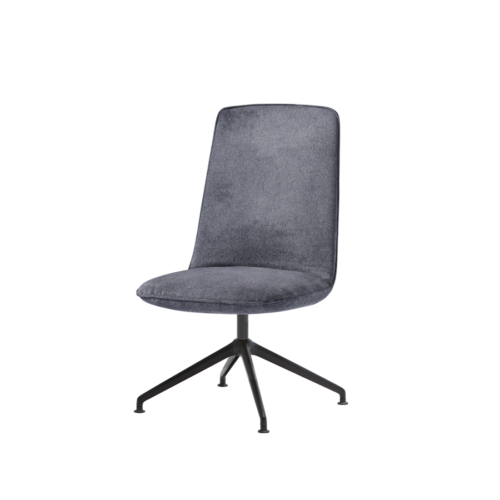
Start With the Required Standard Reference
Include EN 1335 explicitly in the seating brief where it is a project requirement. Obtain the supporting information for the exact chair being assessed and retain it with the specification. A clear reference makes the requirement reviewable and gives facilities staff a consistent basis for assessing later changes.
Keep that documentation alongside the practical workstation assessment. The association with an office seating standard does not identify the chair’s precise adjustment ranges, armrest arrangement or upholstery. Those details still need to be established so the chosen configuration can be compared with the user’s task and the room’s furniture.
Compare Different Seating Forms by Activity
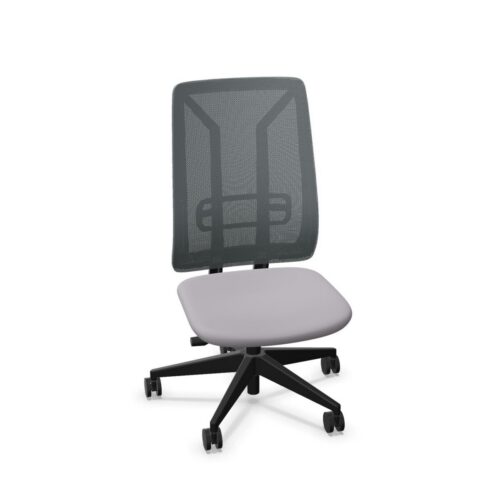
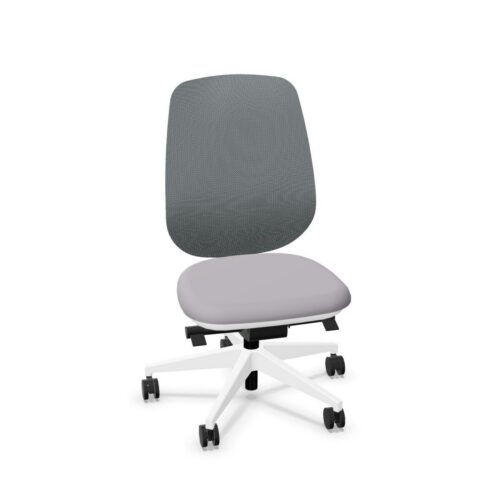
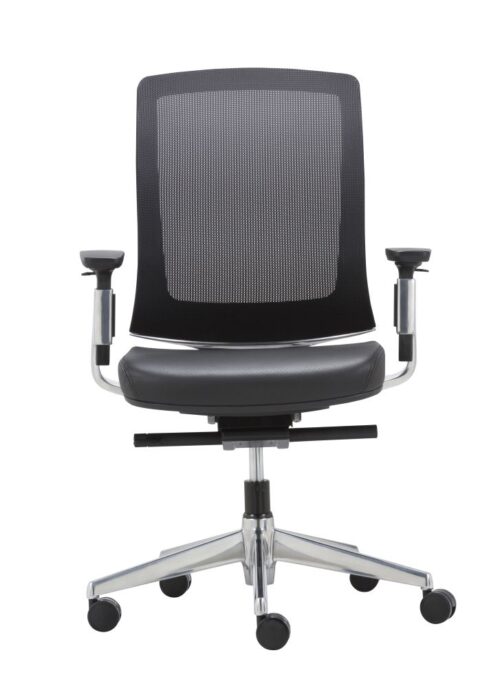
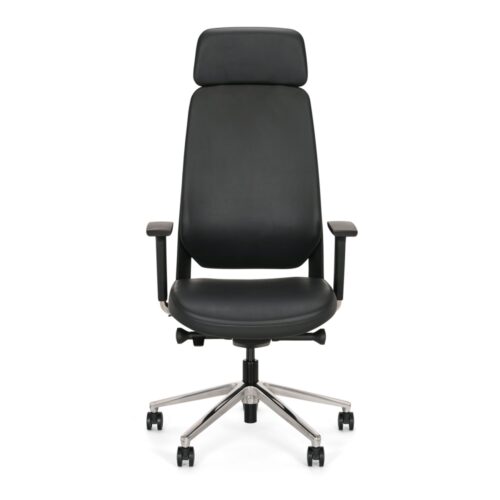
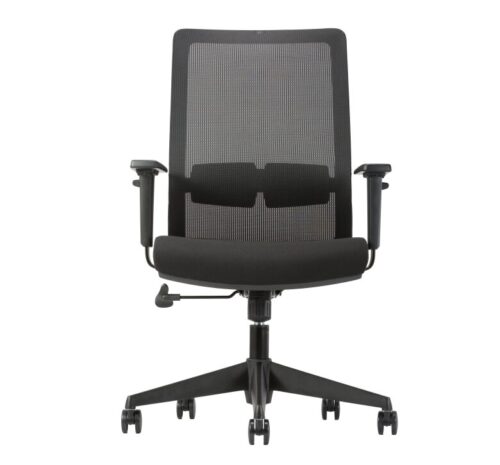
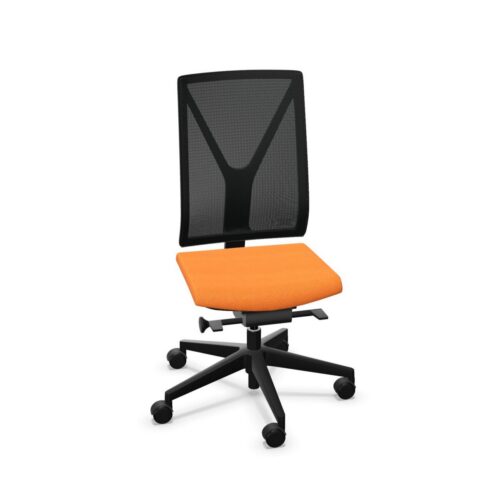
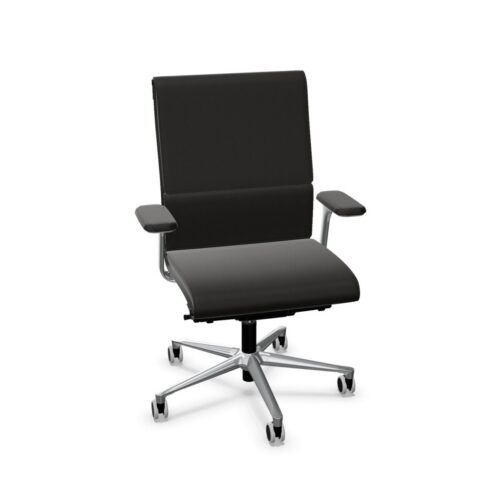
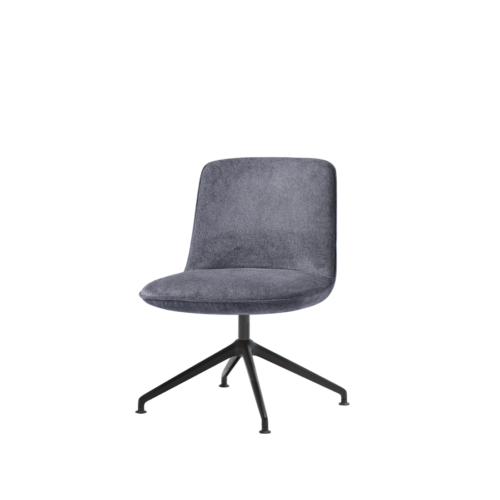
Ergonomic office chairs, executive chairs, stools and task chairs are represented in this selection. Start with the activity assigned to the seating position, then assess the relevant form at the intended desk or surface. The chair type alone does not determine whether its shape and functions suit the work.
Use a representative task to compare access to equipment, the seated position and the space around the workstation. Where seating will be shared, include users with different requirements. Ask them to set the chair themselves and explain any setting they cannot establish, rather than relying only on an initial impression.
