

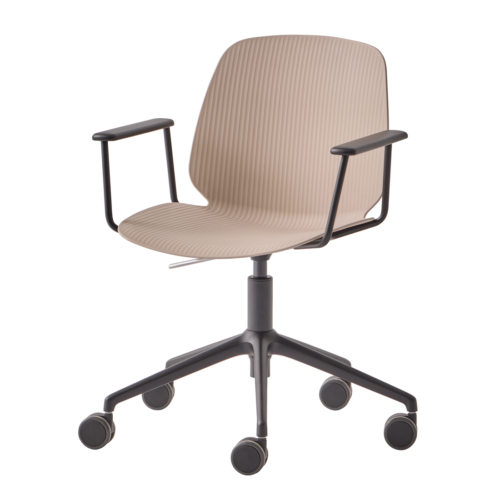
Steel-Base Office Chairs With Unspecified Standards

Steel-base office chairs with unspecified standards should be assessed in relation to the floor plan and the people using it. Steel identifies the base material, but does not establish its shape, finish, dimensions or tested performance. The standards position remains a separate question requiring clarification for the intended workplace use.

An office manager can begin with the physical arrangement: desk supports, storage access, circulation space and the floor surface. The complete chair needs enough room for normal use, and its floor contact components need their own assessment. None of those details should be inferred simply because the base is steel.

Next, connect the room assessment with a practical seating trial and an evidence review. Record the adjustments actually available, the fit at the workstation and any unanswered standards questions. This creates a grounded comparison of office chairs, with the material choice considered alongside the features and information that matter to everyday use in the planned office setting.

3 models
From €27.57 p/m
6 models
From €23.37 p/m
2 models
From €17.75 p/m
7 models
From €22.59 p/m
3 models
From €22.88 p/m
4 models
From €44.34 p/m
11 models
From €33.56 p/m
3 models
From €39.44 p/m
2 models
From €19.41 p/m
17 models
From €4.61 p/m
5 models
From €4.69 p/m
12 models
From €9.08 p/m
2 models
From €16.58 p/m
7 models
From €3.77 p/m
6 models
From €8.16 p/m
13 models
From €3.40 p/m
4 models
From €17.73 p/m
2 models
From €17.67 p/m
8 models
From €2.77 p/m
14 models
From €2.21 p/m
7 models
From €9.00 p/m
14 models
From €2.77 p/m

Start At Floor Level

Examine the space beneath and around the workstation. Desk legs, modesty panels, storage units and cable arrangements may all influence available clearance. Measure the actual base footprint and observe its position as a person approaches, sits and leaves, rather than assessing only the chair’s position when it is tucked away.

For steel-base office chairs with unspecified standards, this establishes how the base works within the room. Check the components that touch the floor and obtain relevant surface guidance. Steel does not establish whether the chair uses castors or glides, nor how either arrangement will behave on a particular floor.

Test The Working Position As A Whole

Ask intended users to complete representative tasks during a seating trial. Review the available settings and whether the person can reach the work surface without the surrounding furniture restricting access. Assess the chair together with the workstation, because changes to one may affect the practical fit of the other.

Document observations in concrete terms. Record which adjustment was used, what clearance was available and where a limitation appeared. Avoid attributing comfort, support or stability to steel alone. The complete construction and its relationship with the individual user need assessment before those qualities can inform a workplace seating decision.

Give Standards Evidence Its Own Review

The unspecified standards position does not establish a pass or a failure. With steel-base office chairs with unspecified standards, identify which requirements matter to your organisation and request information addressing those requirements. Keep the review tied to the complete chair configuration rather than a general statement about its base material.

Check any supporting information for relevance to the proposed activity. If questions remain, record them clearly and assign responsibility for follow-up. A practical trial and a standards review can both inform the decision, but each should retain its own purpose within the office manager’s assessment and approval process.

Make Maintenance Questions Operational

Ask which care methods apply to the actual base finish and floor contact components. Do not assume a particular coating or treatment. Compare the instructions with existing cleaning procedures, and identify any changes that facilities staff would need to make to care for the seating appropriately in the intended area.

Agree how concerns about condition or function will be reported. Include a review point after substantial changes to flooring or desk layout, as these can change clearance and contact conditions. Keep the original seating brief available so that later assessments remain connected to the activity and environment originally considered.

Floor Planning FAQ

Does Steel Confirm A Particular Performance Level?

No. The material description identifies the base material, not the assessed performance of the complete chair. Avoid assuming a capacity, durability level or standard from steel alone. Use relevant supporting evidence and a practical assessment of the actual configuration to answer questions that matter to the workplace brief.

What Should Be Checked Around Desk Supports?

Check the full base footprint, space for normal approach and exit, and any interaction with storage or other obstructions. Observe the arrangement with a user present. An empty chair positioned beneath a desk may not reveal the clearance needed during the actual tasks or movements expected in that space.

Which Details Belong In The Comparison Record?

For steel-base office chairs with unspecified standards, include intended use, workstation fit, available adjustments, base clearance, floor contact and care guidance. Add the standards evidence received and any unresolved questions. This gives the office manager a practical record for comparing options and reviewing the arrangement when circumstances change.

Explore related selections