

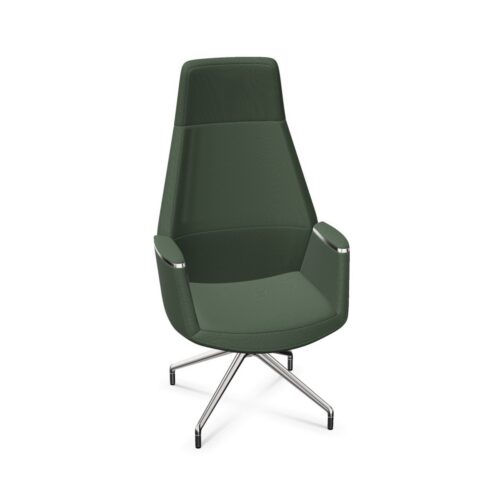
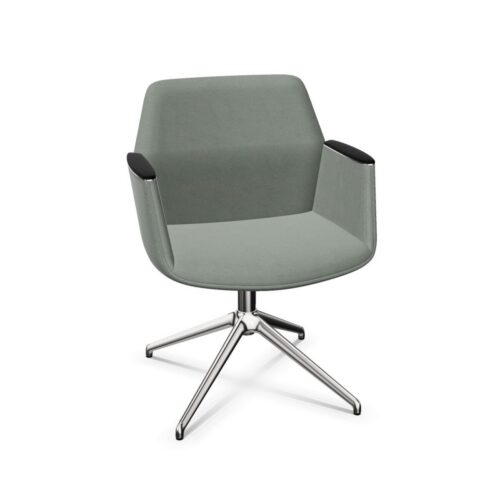
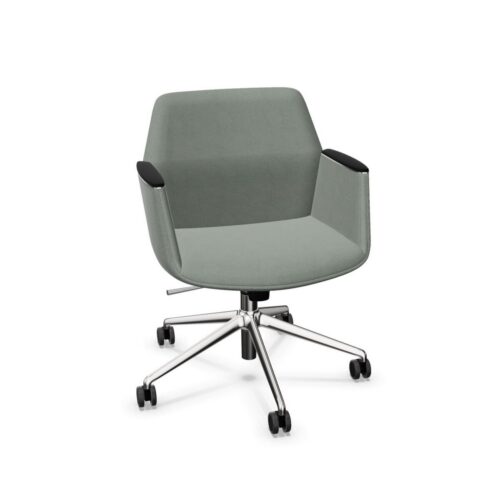
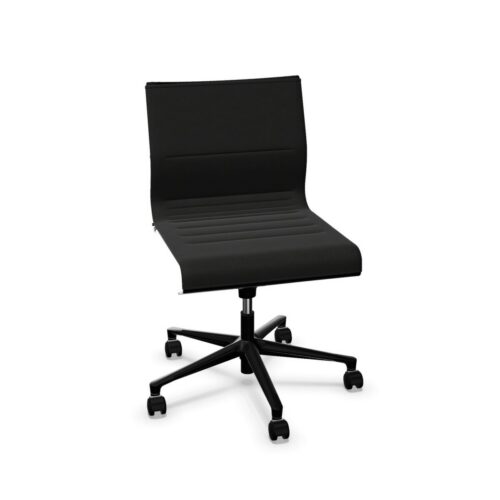
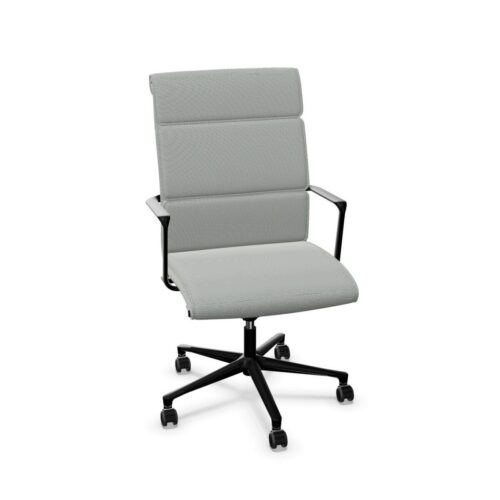
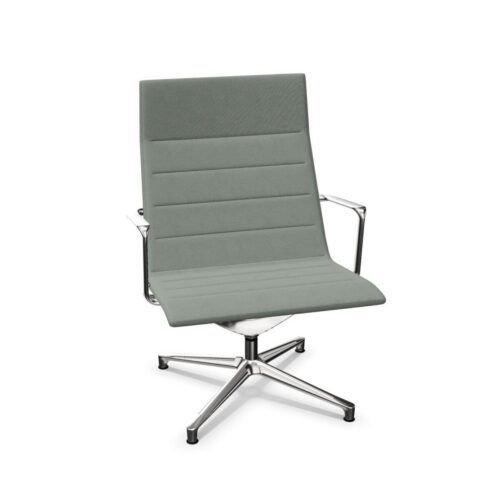
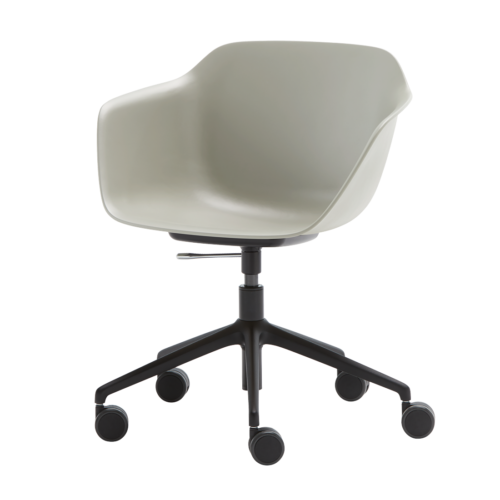
Office Chairs For General Workplace Use

EN 16139 Level 1 gives an office seating brief a defined starting point: a recognised European standard addressing the strength, durability and safety of seating intended for general non-domestic use. That makes it relevant when assessing chairs for workplace settings, but the designation should sit alongside a clear description of where and how each chair will be used. A meeting room, an individual workstation and a lounge area place different demands on the person sitting there.

Within this selection, chair types, mechanisms and finishes vary. An office manager should therefore compare the standard designation together with seat height adjustment, arm support and the intended seating role. Fabric, mesh and polyurethane-based upholstery also create different specifications to investigate. The objective is a chair whose documented assessment and practical configuration both suit the room, rather than a decision based on the standard alone.

7 models
From €22.59 p/m
3 models
From €22.88 p/m
4 models
From €44.34 p/m
8 models
From €12.75 p/m
9 models
From €24.87 p/m
3 models
From €39.48 p/m
4 models
From €23.33 p/m
3 models
From €30.69 p/m
14 models
From €28.93 p/m
3 models
From €39.44 p/m
11 models
From €4.84 p/m
6 models
From €16.13 p/m
31 models
From €0.37 p/m
3 models
From €30.24 p/m

Define The Seating Role First

Start by separating spaces according to the activity they support. A chair used during a scheduled meeting has a different purpose from seating at an assigned desk or in a lounge. This selection extends across meeting, task, executive, multipurpose and lounge seating, as well as stools and ergonomic office chairs. Those descriptions help organise an initial comparison, but they do not establish dimensions or adjustment capabilities. Write a short brief for each location, identifying the users, typical activities and surrounding furniture. Then assess how each proposed configuration answers that brief.

Read The Standard Alongside The Configuration

The EN 16139 Level 1 designation concerns the stated strength, durability and safety assessment for general non-domestic seating. It does not describe every feature needed at a workstation. Request supporting documentation for the chair and configuration under consideration, and keep it with the specification. Review any stated limitations rather than assuming the designation answers questions about individual fit, upholstery performance or movement. Where a workplace requires a particular assessment, have the relevant person review the evidence against that requirement before treating the seating brief as complete.

Match Movement And Support To The Room

Chairs in this group can have manual height adjustment, a synchronous mechanism or no integrated mechanism. These are meaningful differences when users need to change their position or adapt seating to a desk. Some configurations have adjustable seat height, while others do not. Armrests and headrests also vary. Compare these features together: a suitable seat height still needs to work with the arm supports and surrounding furniture. For shared rooms, include people with different body dimensions in an assessment and note which settings each person can actually use.

Resolve Finishes And Additional Requirements Separately

Fabric, mesh and PU leather options allow different upholstery specifications, with colours ranging from neutral shades to brighter accents. Aluminium, metal and steel bases provide further choices to evaluate. None of these material descriptions establishes cleaning compatibility or appearance over time, so request care instructions for the exact finish. Fire resistance designations also differ between chairs and should be checked against the requirements for the space. A stated maximum user load of 135 kg and a two-year warranty are additional details to confirm in the final chair documentation, including relevant conditions.

Questions About EN 16139 Level 1 Seating

What does EN 16139 Level 1 address?

It addresses the strength, durability and safety of seating intended for general non-domestic use. Use that defined scope when reviewing evidence, while assessing the chair's dimensions, support features and suitability for the intended workplace separately.

Does the designation mean every chair is adjustable?

No. This selection contains chairs with different mechanisms and seat height arrangements. Establish which adjustments are present on the proposed chair, then assess whether those controls meet the needs of its users and location.

How should an office manager compare suitable options?

Group chairs by their intended role, check the supporting standard documentation and assess the actual configuration. Include furniture clearance, upholstery care, arm support and user fit in the comparison so that the decision remains specific to the room.

Explore related selections