

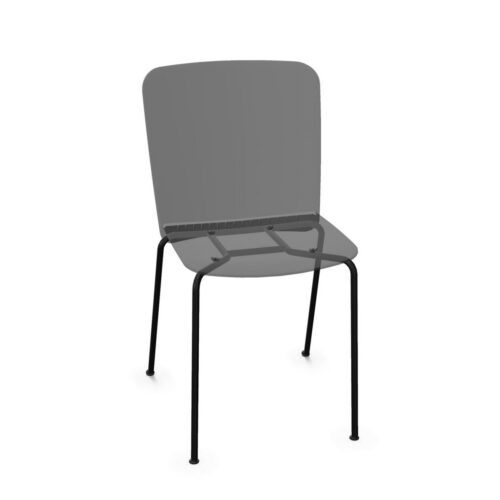
Seating With EN 16139 Level 2

A requirement for EN 16139 Level 2 should lead to a precise chair specification and a clear record of the evidence supporting it. Begin with the designation, then establish which chair configuration the accompanying documentation covers. The standard reference alone does not provide the dimensions, upholstery composition or practical details needed to decide whether a chair suits a particular office space.

This selection brings together chairs with aluminium or metal bases, black or silver base finishes, and upholstery colours including beige, blue, gold, grey, orange, purple, red and white. These choices can help coordinate a room, while the seating assessment remains a separate decision. For an office manager, a useful comparison combines the required standard reference with measured fit, finish information and an understanding of the intended users. Keep unresolved questions visible until each proposed configuration has been checked.

2 models
From €11.19 p/m
17 models
From €5.94 p/m
7 models
From €6.95 p/m
14 models
From €4.04 p/m
2 models
From €9.41 p/m
31 models
From €0.37 p/m

Build A Record Around The Required Designation

If EN 16139 Level 2 is part of the project brief, record that wording accurately and request the corresponding supporting documentation. Establish the identity of the chair being assessed and the configuration described in the evidence. Avoid filling gaps with assumptions about dimensions, adjustment or suitability for a particular activity. A reference to a standard is one part of the assessment, and its relevance depends on the actual workplace requirement. Give the person responsible for the seating specification enough information to review the designation and any stated limitations together.

Use The Room To Define Practical Fit

Walk through how people will approach, use and leave the seating position. Measure the relevant table or desk, available floor space and the chair dimensions supplied for comparison. Consider whether a user can take a suitable position for the intended activity and whether neighbouring chairs leave adequate room. For a shared setting, assess several users rather than allowing one person's experience to represent everyone. Where adjustment information is needed, request it explicitly; the EN 16139 Level 2 designation does not provide a substitute for those practical configuration details.

Specify Colour And Construction In Full

The available upholstery colours offer both restrained and more expressive room schemes. A grey or beige choice can be considered alongside blue, red or purple, while gold, orange and white provide other directions. Compare physical samples where appearance matters, because a colour name alone leaves questions about texture and the finished surface. Aluminium and metal bases are represented, with black and silver finishes. State the required base material and colour separately so that a visual preference does not obscure the construction being considered or create ambiguity in the final specification.

Close The Gaps In Material And Use Information

Ask for the upholstery composition, relevant care instructions and confirmation of which parts of the chair are covered. A material designation without an explanation is insufficient for planning cleaning routines or assessing suitability. Fire Retardant Class 1 IM is a stated designation within this group; check its supporting evidence against the room's requirements. A maximum user load of 135 kg and a two-year warranty are also stated. Confirm how these apply to the exact chair and review the warranty conditions before recording the final decision, particularly where use or maintenance expectations need clarification.

Common Specification Questions

Can the standard reference replace a seating assessment?

No. Retain EN 16139 Level 2 as a defined requirement, then assess dimensions, room fit and the intended activity separately. The reference alone does not tell an office manager how the chair will fit a particular user or table.

Which finish details should be recorded?

Record the upholstery colour, its explained material composition, the base material and the base finish. These details help distinguish configurations that may look similar in a brief description but require separate consideration during the room assessment.

What should remain open before a decision?

Any missing dimensions, adjustment information, care requirements or supporting documents should remain explicit questions. Resolve them for the actual proposed chair rather than assuming an answer from its colour, base construction or standard designation.

Explore related selections