



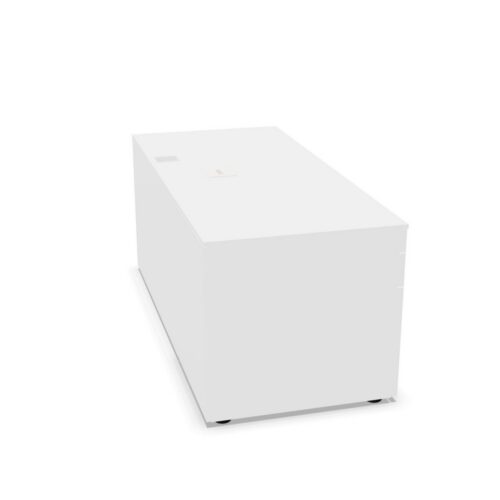

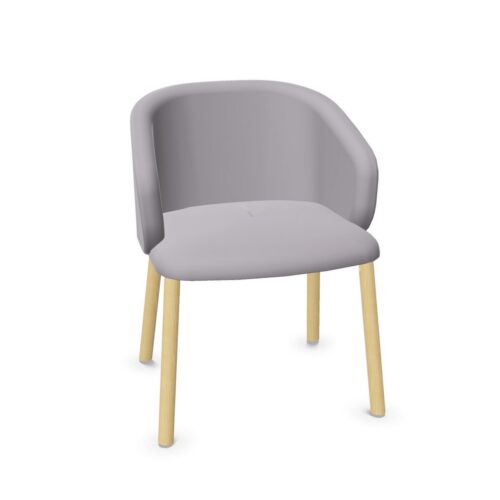
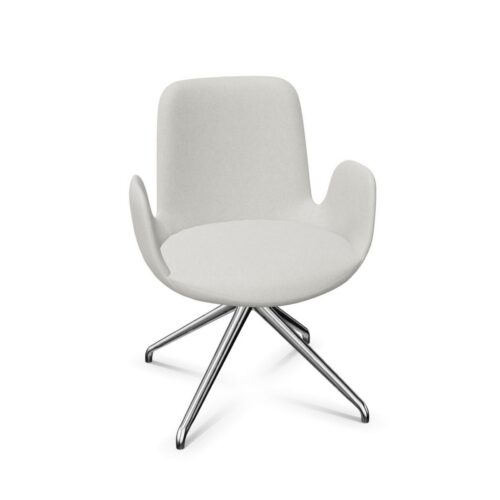
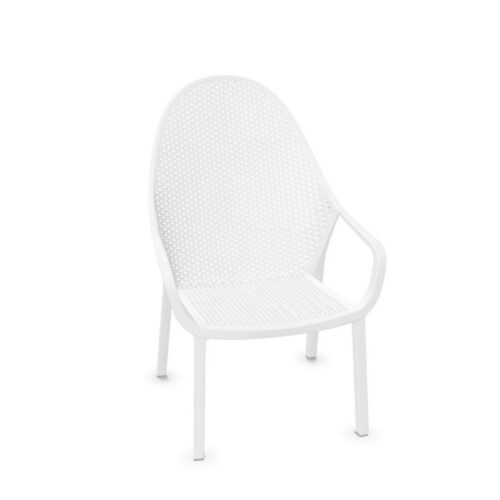


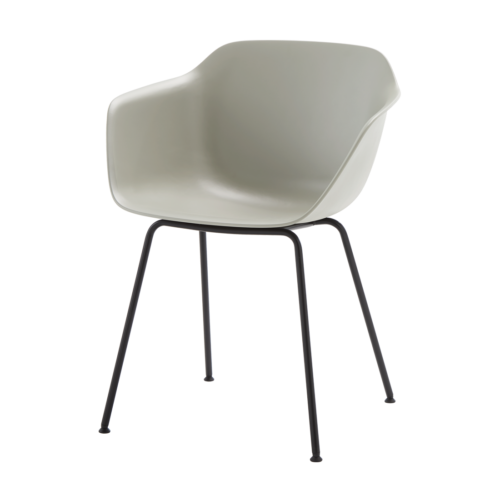


Comparing lounge furniture with white bases and plastic bases
Begin at the point where people enter the shared seating area. Identify which base surfaces are visible and how much of the lower outline appears beneath the furniture. This helps establish whether the white bases will be a prominent part of the room or a quieter detail within the overall composition.
Continue the review from the side and from neighboring seating positions. Compare the exposed edges and transitions that become visible in those views. Keep the observations specific to the furniture under consideration, since the words white and plastic do not establish a single base shape or surface treatment.
Give white surfaces a clear relationship
Choose the nearby surfaces that provide the most relevant color references. In one room, that may be an adjacent partition; in another, it may be existing furniture. Compare the white base appearance with those references under the intended lighting, especially where the surfaces will be seen close together.
When assessing lounge furniture with white bases and plastic bases, decide whether similarity or contrast is the aim. A precise brief can allow different white appearances where they remain visually distinct. Record the important relationships so the comparison does not depend on an undefined expectation that every pale surface should match.
