

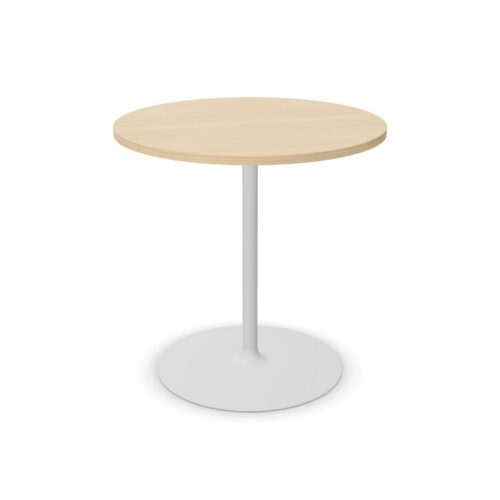
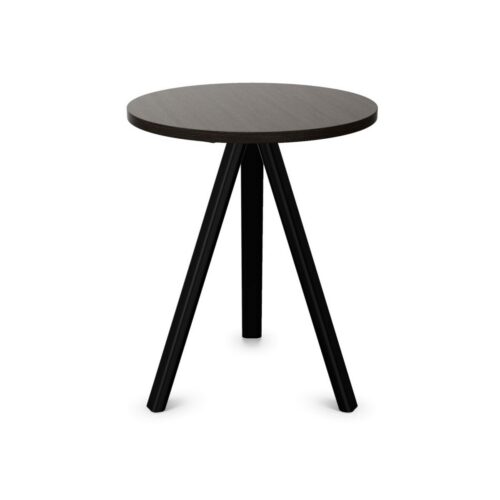
Lounge Furniture With Aluminum Bases and Grey Surfaces

Lounge furniture with aluminum bases and grey surfaces provides a defined starting point for coordinating shared workplace seating. Gray surfaces need to be assessed against the actual colors around them, while the aluminum bases require a separate review of their visible appearance. Neither the surface color nor the base material establishes a particular style, finish, or furniture shape. Begin with the intended relationship between the lounge and neighboring work areas.

For a connected workplace layout, decide whether gray should create continuity across several seating groups or identify one particular area. Compare representative surface samples beside the floor and wall colors, then examine the complete furniture outline. Pay attention to the base where it meets the surrounding visual composition. Once that relationship is clear, review the arrangement around everyday movement and conversation. This keeps a restrained palette from becoming a substitute for deliberate planning.

10 models
From €16.65 p/m
3 models
From €125.11 p/m
4 models
From €23.04 p/m
7 models
From €5.17 p/m
2 models
From €4.92 p/m
10 models
From €6.89 p/m
2 models
From €5.39 p/m

Coordinating lounge furniture with aluminum bases and grey surfaces

Start by identifying which existing colors the lounge needs to relate to. Gray may sit alongside similar tones or appear within a more varied palette, and those situations require different comparisons. Review the actual surface appearance against the intended floor, walls, and neighboring furniture. Consider whether the lounge should connect visually with the surrounding workplace or form a distinct seating area. Establishing that role early helps the team compare complete pieces consistently. The aluminum base belongs in the same assessment, but its visible color and finish need direct review rather than assumptions based on the material.

Compare tonal relationships in context

When assessing lounge furniture with aluminum bases and grey surfaces, do not treat gray as a single interchangeable appearance. Compare representative samples together under the room's lighting and beside the colors that will surround them. Look for the relationship that suits the intended palette rather than assuming every gray will coordinate equally well. Review both nearby and room-wide views. A surface that appears closely related to a neighboring element at close range may create a different overall composition once the full seating group is visible. Include the background and the floor throughout the comparison.

Distinguish material continuity from visual matching

Shared aluminum bases do not, by themselves, establish a visual match across different furniture. Compare their actual outlines, colors, and finishes. Decide whether the room needs repeated base details or simply a compatible relationship among separate groups. Look at the bases against the floor and consider the gaps between neighboring pieces. Those spaces form part of the visible arrangement. A coordinated surface palette can still contain varied base appearances, provided that variation is intentional and has been assessed across the complete lounge. Review standing and seated viewpoints before settling on the visual relationship.

Give each seating group a clear purpose

Position lounge furniture with aluminum bases and grey surfaces according to the activities expected in each part of the room. Where several groups share a palette, their orientation and placement need to communicate how they relate to the space. Identify the main approach, the route between groups, and the intended direction of conversation. Assess whether people can join a group without crossing another seating area. Then review the gray surfaces and aluminum bases within that layout. A consistent color choice should be supported by clear spatial organization, especially where the lounge connects directly with other workplace areas.

Frequently asked questions

Will different gray surfaces coordinate automatically?

No. Compare the actual appearances under consistent lighting and alongside the intended room colors. Decide whether the project needs a close match or a deliberate tonal variation, then assess the complete furniture group against that intention.

How can separate groups share a gray palette?

Agree on the visual relationship across the room, then give each group a clear position and purpose. Review orientation, circulation, and base details together. Shared color can connect the groups visually while their arrangement distinguishes their intended use.

What should be reviewed beside an existing gray floor?

Assess lounge furniture with aluminum bases and grey surfaces against the actual floor appearance. Compare surface color and base visibility from several approaches, then check whether the furniture outlines and the routes around the groups remain clearly organized.

Explore related selections