


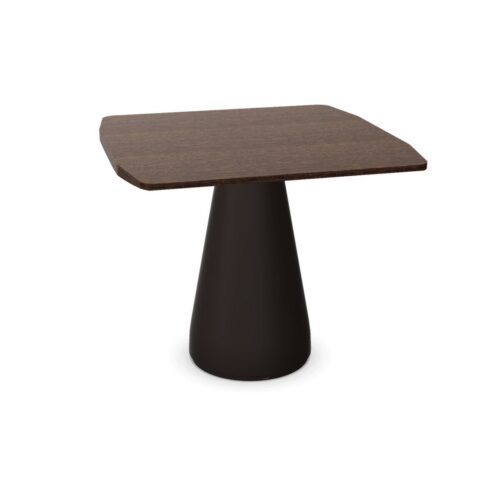




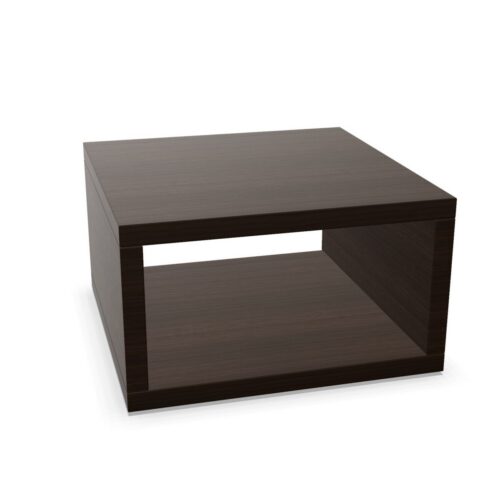
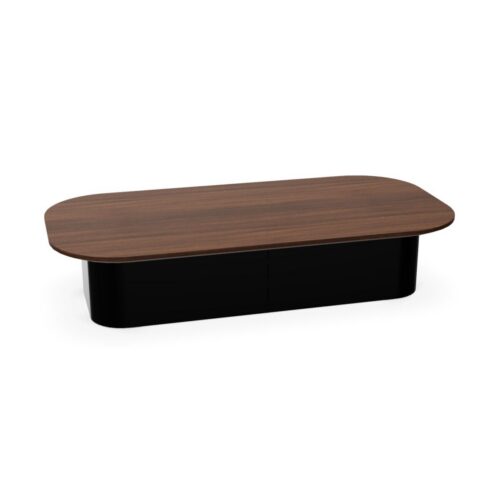

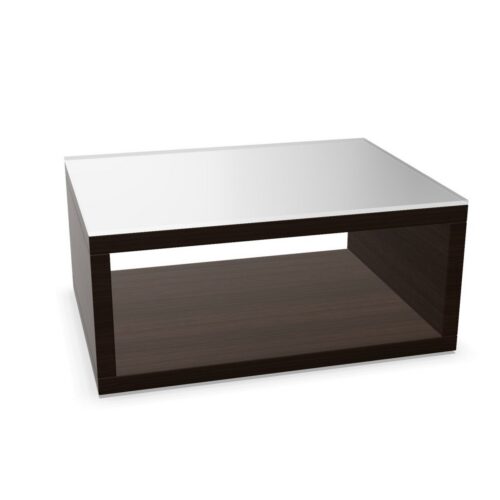

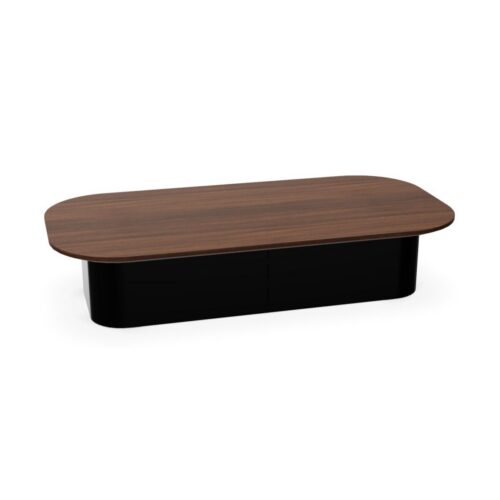
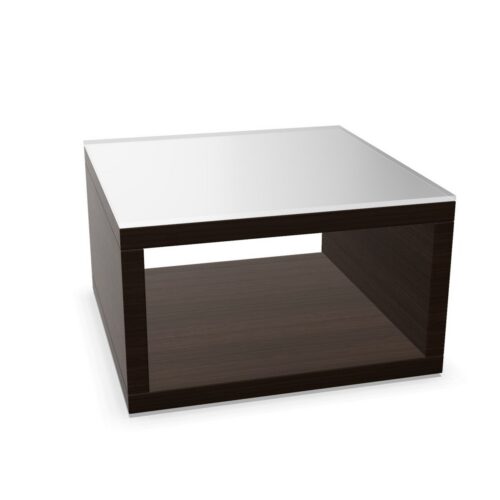

Coordinating Lounge Furniture With Melamine Bases and Grey Surfaces
Start by identifying the grey surface's intended relationship with the surrounding palette. Decide whether it should closely resemble existing tones or create a visible distinction. A clear objective makes it easier to compare similar-looking alternatives without treating every grey as visually interchangeable.
Use the finishes that will remain in the room as the reference. Review them alongside the furniture color under the intended lighting. Include the most prominent background in the assessment, since the same surface will be read as part of a larger composition once the seating is arranged.
Compare Tone Across Connected Spaces
Lounge furniture with melamine bases and grey surfaces can establish continuity between reception and communal areas when the visual relationships are coordinated. Identify which spaces are seen together and which are experienced separately. Focus the closest comparisons on the views that connect one area with another.
Different backgrounds may affect the overall impression even when the selected surface color is consistent. Review each setting individually, then assess the sequence between them. This helps determine whether the shared grey remains the appropriate connecting element or whether base appearance should carry more of that visual continuity.
Define the Contribution of the Base
Melamine specifies the base material without determining its visible color or shape. Examine the actual base beside the grey surface and against the floor. Decide whether the base should remain visually secondary or form a distinct part of the furniture's appearance within the room.
Compare the lower outline from the main approach and from nearby seating positions. This can reveal relationships that are less apparent in an isolated view. If several groups are intended to look coordinated, establish which base details need to appear consistent and assess them across all relevant settings.
