

Brown Surfaces for Lounge Furniture

Brown surfaces for lounge furniture deserve close attention to the colors already established in a workplace interior. Brown can carry different red, yellow, or muted undertones, and those differences become clearer beside surrounding surfaces. For a reception lounge or shared seating area, begin with the fixed elements that the furniture will sit against. Decide whether brown should continue an existing color relationship or create a distinct seating zone within the room.

When comparing brown surfaces for lounge furniture, judge the visible color independently from assumptions about its composition. Brown identifies a color direction; the appearance of each piece still needs its own review. Consider the depth of the brown, the area it covers, and its relationship with neighboring seating. These decisions are particularly relevant when a lounge must connect an established interior with a revised furniture arrangement while keeping the overall palette considered and consistent.

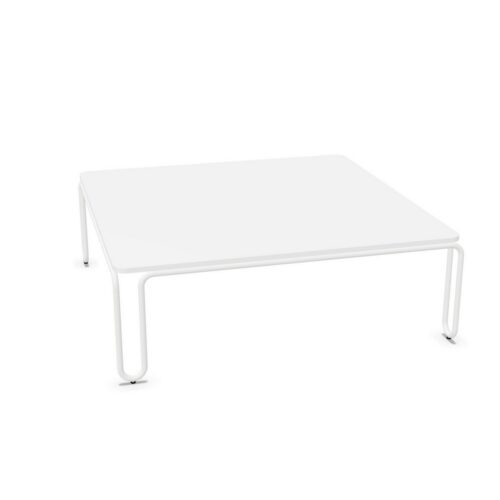
2 models
From €9.47 p/m
2 models
From €9.33 p/m
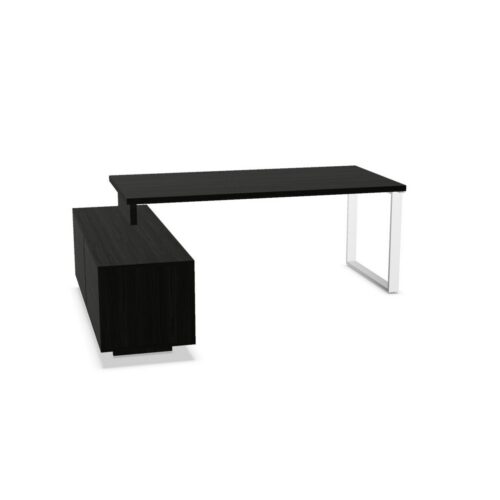
€19.45 p/m
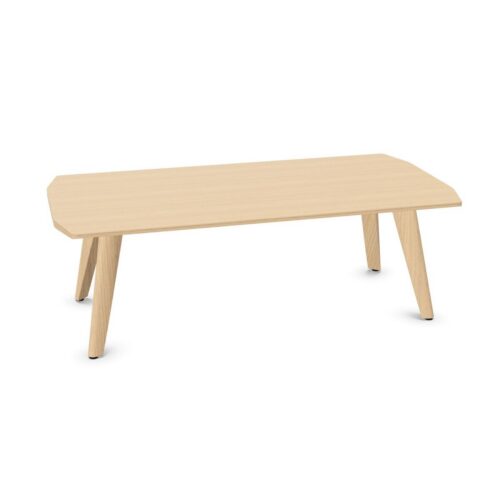
€19.65 p/m
€19.82 p/m
€44.69 p/m
2 models
From €7.46 p/m
2 models
From €25.77 p/m

Integrating brown surfaces for lounge furniture

Start with the strongest existing brown or related color in the room. It may appear on a broad architectural surface, in an adjoining area, or within an established interior palette. Use that element as a reference when assessing the proposed seating color. Compare both the undertone and the lightness of the two browns. A deliberate difference can be easier to understand than an approximate match that appears accidental. Review the relationship from the main entrance, where the room is first seen as a whole, before focusing on details within the seating arrangement.

Decide how much tonal depth belongs

The visual weight of brown surfaces for lounge furniture changes with their tonal depth and extent. A deep brown grouping can create a pronounced presence against a pale background, while a lighter brown may sit closer to surrounding midtones. Establish whether the lounge should be a focal area or part of a broader composition. Then assess the furniture backs, sides, and inward-facing surfaces as a connected whole. Where brown is already prominent elsewhere, consider how the seating contributes to that total. The aim is a balanced distribution of color that follows the intended organization of the room.

Coordinate neighboring colors deliberately

Compare brown surfaces for lounge furniture with the actual adjacent colors rather than a general idea of what brown should accompany. A red-leaning brown and a muted brown can lead to different relationships with the same wall color. Review the combination where the surfaces will be seen together, including the view across adjoining spaces. Keep the comparison focused on the colors with the greatest visual presence. Small decorative details can be addressed afterward. This order helps establish a clear foundation before minor accents introduce additional decisions or distract attention from the main seating composition.

Use repetition to connect related areas

Repeating brown surfaces for lounge furniture can link a reception setting with another lounge along the same route. Decide which aspect of the brown should remain consistent: its general undertone, its tonal depth, or its prominence within each space. An exact repetition may be useful, but a considered relationship can also provide continuity. Review the spaces together wherever a shared sightline allows. If each room has a different background, the same brown may appear different in context. Assess that effect before assuming that a repeated color will create an identical visual result throughout the workplace.

Questions about brown seating palettes

Does brown need to match every existing brown surface?

Establish a clear relationship rather than pursuing approximate matches everywhere. Compare the dominant undertones and tonal depths, then decide which existing element should guide the seating color and which differences are intentional.

How can brown work in a pale reception area?

Assess brown surfaces for lounge furniture as part of the entrance view. Decide how much emphasis the seating should receive, then review its outline and the amount of brown visible against the pale surroundings.

What should be agreed before adding accent colors?

Agree on the principal brown, its relationship with fixed room colors, and where it will appear. With those decisions settled, assess accents according to whether they clarify or complicate the intended composition.

Explore related selections