

Lounge Furniture With Melamine Bases and Brown Surfaces

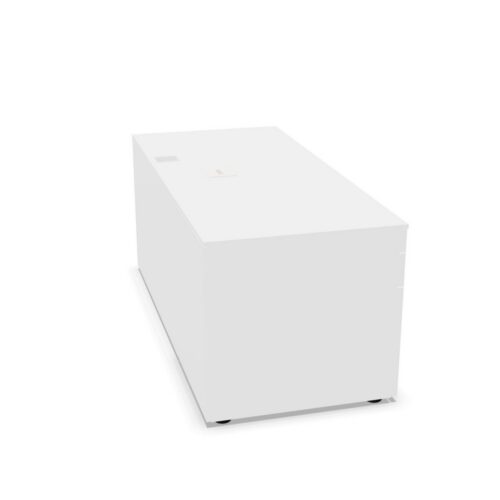
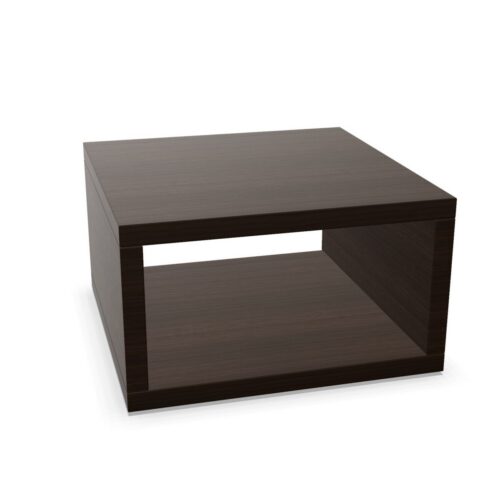
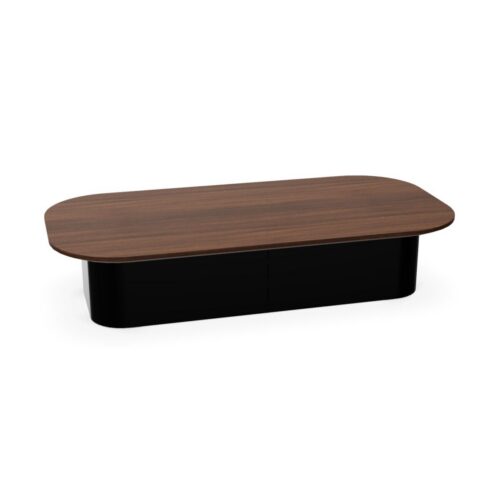
lounge furniture with melamine bases and brown surfaces combines a defined surface color with a specified base material for workplace waiting and lounge settings. Brown should be assessed through its relationship with existing finishes, especially where the room already contains related tones. Decide whether the furniture should extend that palette or establish a distinct darker or lighter element. The selected melamine base needs its own visual review alongside the brown surface.

Begin with the fixed features around the proposed seating group. Compare the furniture color with the floor, wall treatment, and nearby pieces that will remain. Then consider the amount of brown visible from the main approach and from neighboring work areas. This combination is most useful to assess as part of the complete room composition, with the base, surface, and background considered together before individual details are approved.


Assessing Lounge Furniture With Melamine Bases and Brown Surfaces

Start with the existing tonal structure of the room. Identify the finishes that appear most prominently around the seating area and compare the proposed brown directly with them. Decide whether the intended relationship is close continuity, a clear difference, or a connection between otherwise separate elements.

Keep that intention specific. A brief that simply asks for brown leaves important visual decisions unresolved. Describe how the surface should relate to the background and which existing elements matter most. This gives the comparison a practical purpose and helps maintain consistency through the rest of the room scheme.

Review Brown Beyond an Isolated Sample

When comparing lounge furniture with melamine bases and brown surfaces, examine the color within its intended setting. A sample viewed alone cannot show the complete relationship with neighboring finishes. Bring those references into the same review and assess the main approach view as well as close views.

Consider the room's usual lighting conditions, including relevant changes between daylight and interior lighting. Record the approved visual relationship rather than relying only on a color description. This helps other project participants understand whether the brown should merge with surrounding tones or remain distinctly visible against them.

Establish How the Base Relates to the Surface

The melamine base provides a material specification, while its visible appearance needs separate confirmation. Review the actual base color and outline alongside the brown surface. Decide whether the two should appear closely connected or read as distinct components within the furniture's overall composition.

Next, compare the base with the floor. Where several similar tones meet, assess whether the lower outline remains as apparent as intended. Where the contrast is stronger, consider whether it belongs within the wider palette. Make the decision from the actual setting rather than assuming compatibility from material descriptions.

Organize Repetition Across Lounge Settings

Lounge furniture with melamine bases and brown surfaces can connect related seating areas through a consistent color relationship. Decide where that continuity is useful, particularly when reception opens onto a shared lounge. Review the groups together from the viewpoints that link the two spaces.

Then assess each group independently. Its background, neighboring furniture, and orientation may differ even when the surface color is shared. Keep the circulation routes clear and use placement to explain each setting's purpose. Repeated brown surfaces should support the room organization without carrying responsibility for defining every boundary.

Frequently Asked Questions

Should brown match existing room finishes exactly?

An exact match is only necessary if the design brief requires it. A deliberate tonal difference may also suit the room. Compare the actual finishes together and agree whether continuity or contrast should guide the furniture selection.

Does a brown surface specify its material?

No. Brown is the selected surface color. Melamine is the selected base material. Review the surface material separately when it matters to the project, and avoid using color alone to infer its composition or finish.

How can brown seating connect reception and lounge areas?

Assess lounge furniture with melamine bases and brown surfaces from the connecting viewpoints between both areas. Coordinate the surface relationship and visible base details, then let the position of each group establish its distinct place within the workplace layout.

Explore related selections