



Plastic Base Lounge Furniture With Brown Upholstery

lounge furniture with plastic bases and brown upholstery gives a shared workplace lounge a specific material and color starting point. It is relevant to a brief that calls for brown seating and plastic bases, with the final visual character determined by the actual furniture forms and base appearance. Begin with the role of the lounge within the working day: an area for informal conversations, a place to pause between meetings or a shared seating destination beside other workplace activity.

Assess lounge furniture with plastic bases and brown upholstery through that intended use and the surrounding room palette. Brown does not dictate a formal or informal result, and plastic does not establish a particular base color. Compare the actual combination with nearby furniture, then review how the seating positions relate to one another. This creates a more useful basis for selection than expectations attached to either term alone.

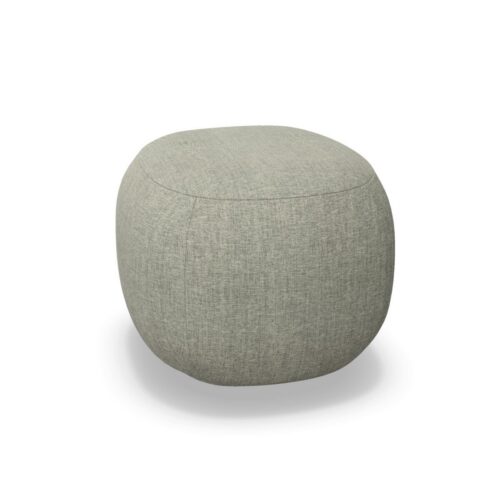
3 models
From €33.95 p/m
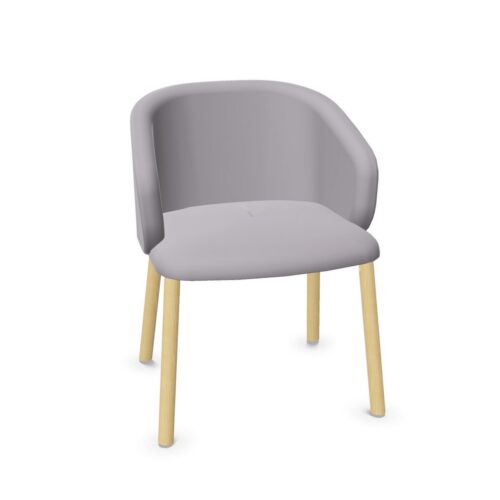
2 models
From €23.96 p/m
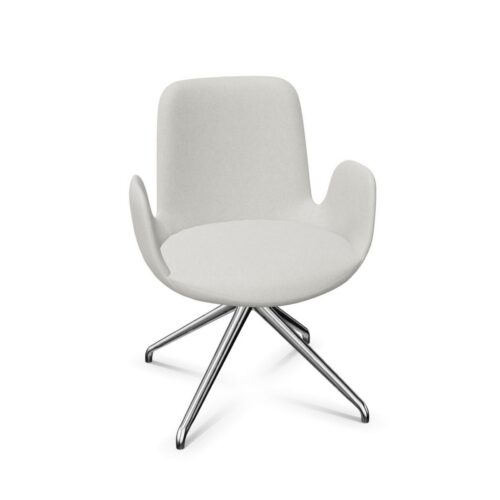
2 models
From €10.93 p/m
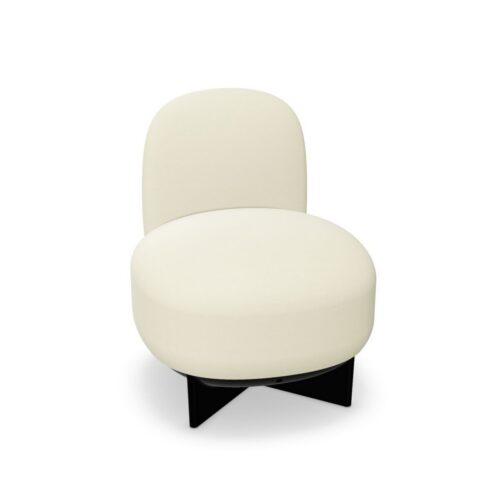
5 models
From €10.11 p/m
2 models
From €24.95 p/m
2 models
From €10.00 p/m
2 models
From €13.22 p/m
5 models
From €15.52 p/m
2 models
From €13.10 p/m

Planning lounge furniture with plastic bases and brown upholstery

Start by describing how the lounge fits into the surrounding workplace. A shared seating area beside active work zones needs a clear relationship to passing movement, while one positioned away from the main route may have a different visual role. Use those relationships to establish the arrangement before refining the palette. Brown upholstery provides a common color direction, and the actual plastic base appearance completes the furniture composition. Review both within the proposed setting. The aim is an area whose purpose is understandable from its placement and orientation, with color and material choices that support that purpose rather than carrying the entire responsibility for defining the space.

Assess plastic without visual assumptions

Plastic identifies the selected base material, but it does not establish the base's color, outline or surface appearance. Review those qualities directly before deciding how the furniture relates to the room. For lounge furniture with plastic bases and brown upholstery, the contrast between base and upholstery can be more significant than the material name in the overall view. A clearly differentiated base creates a different composition from one that appears closer to the brown seating. Compare the actual references together. Include the floor behind and beneath the base, because it provides the immediate visual context and helps determine how prominent the lower outline will be across the group.

Build the brown palette around the room

Choose the brown tone in relation to the surrounding colors and the intended identity of the lounge. Avoid deciding that brown must produce one particular atmosphere; its effect depends on the specific tone, neighboring colors and furniture forms. Compare the upholstery reference under the lighting planned for the space, alongside the base appearance and the main room colors. If the lounge sits beside another shared area, review the transition between them. The brown may continue an existing palette or provide a distinct seating identity. Establish which approach is intended, then assess all the upholstered pieces together so their relationship remains clear throughout the arrangement.

Make shared seating easy to approach

Consider the path from the main circulation route to each part of the seating group. People should be able to understand where to enter and how the arrangement relates to nearby activity. Review whether the furniture orientation encourages the intended conversation pattern without placing a route through its center. These decisions concern the arrangement, rather than any assumed feature of the seating. Look at the group from adjoining work areas as well as from within it. The repeated brown surfaces and plastic base outlines should make sense from both viewpoints. Record the preferred combination with its proposed placement so later decisions preserve the relationship between the lounge and its surroundings.

Frequently asked questions

Does a plastic base determine the lounge's visual style?

No. Lounge furniture with plastic bases and brown upholstery can only be assessed fully through its actual form, base appearance and setting. Judge those together rather than assigning a visual character from the material name.

How should brown seating relate to adjacent work areas?

Decide whether the lounge should continue their palette or be visually distinct. Compare the brown reference and base appearance with the colors seen from those areas, then review the transition within the complete layout.

What matters when the lounge serves different groups?

Prioritize a clear approach and an understandable relationship between seating positions. Assess the arrangement for the intended activities, then use the brown upholstery and actual base appearance to create a consistent visual identity.

Explore related selections