



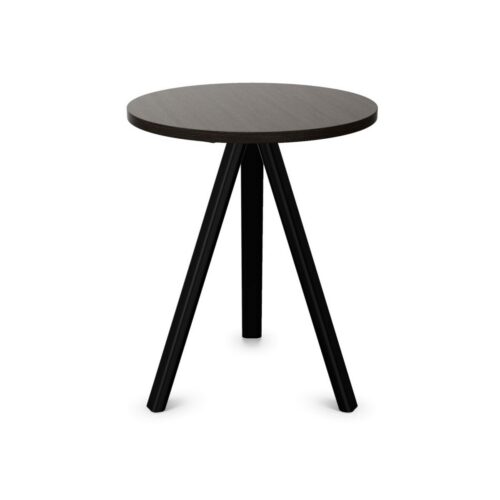
Positioning Lounge Furniture With Silver Bases and Beige Surfaces
Choose the lounge position before deciding how closely beige should match its surroundings. Furniture against a light wall presents a different composition from furniture placed in front of a darker background. An open arrangement also exposes more side and rear views, making the complete outline important.
Mark the intended approach and the point where visitors first recognize the seating area. Assess whether the beige surfaces are sufficiently distinct for your visual brief. Treat this as a room composition decision, alongside a separate review of access and circulation.
Compare Beige Against Permanent Finishes
Beige can have different undertones, so establish which surrounding finishes must remain. Compare a representative beige sample with those finishes where possible. Include the floor, adjacent walls, and nearby furniture in the assessment, since a close view against a plain background may conceal an unwanted color relationship.
When evaluating lounge furniture with silver bases and beige surfaces, decide whether the silver should connect to other details or stand apart. Examine the junction between base and surface without assuming a particular base construction. The visible form and the color relationship both deserve attention.
Create Definition Without Adding More Colors
A light palette still needs a clear arrangement. Use furniture orientation, grouping, and the surrounding open area to establish where the lounge begins. Leave an obvious route into the seating group rather than relying on a change of color to explain the layout.
Compare lounge furniture with silver bases and beige surfaces from the adjoining workplace area. Assess whether the group reads as a coherent destination or merges into unrelated furniture. If the composition needs more definition, review its position and orientation before introducing additional colors. A clearer arrangement may address the visual issue while preserving the intended palette.
