

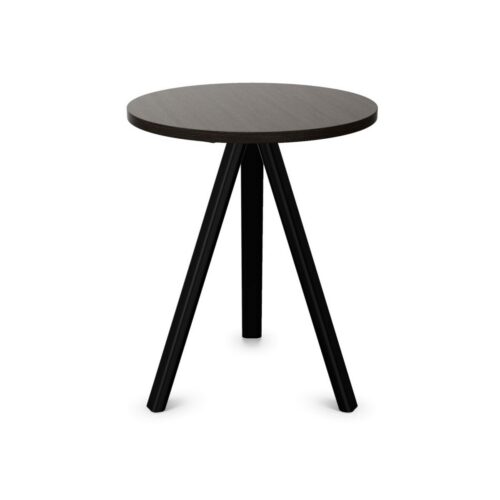
Lounge Furniture: Silver base material, Grey surface color

lounge furniture with silver bases and grey surfaces offers a neutral starting point for reception areas, informal meeting spaces, and shared lounges. The useful distinction is between the silver base and the grey surface: their relationship can look closely coordinated or clearly separated, depending on the shade of grey and the visible base form. Establish which effect suits the room before comparing individual designs. A lounge that sits beside circulation routes may need a different visual balance from a seating group framed by surrounding walls.

Plan lounge furniture with silver bases and grey surfaces around the colors already visible from the entrance. Look at the floor, nearby furniture, and wall finishes together, then assess whether the grey introduces an unwanted warm or cool note. Check the silver appearance in the same setting. This keeps the decision focused on how the complete furniture composition relates to the room.


Planning Lounge Furniture With Silver Bases and Grey Surfaces

Begin with the view people encounter first. From an entrance, the grey surface may establish the main area of color, while the silver base contributes a smaller detail below it. From a nearby corridor, the base may be more exposed. Compare both views before deciding how consistently the combination should repeat across the space.

Give the lounge a clear relationship to neighboring furniture. Repeating a similar grey can connect adjacent areas, while a different grey can distinguish the lounge. Decide whether that distinction is intentional before introducing another neutral shade.

Read Grey Undertones in Context

Grey can appear warmer or cooler beside different surrounding colors. Place a representative surface sample against the finishes that will remain in the room, where samples are available. Assess it beside the floor as well as at the level where the furniture surface will be seen.

When comparing lounge furniture with silver bases and grey surfaces, avoid treating every grey as interchangeable. A close but inconsistent match may draw more attention than a deliberate difference. Establish a preferred undertone, then use that decision to assess how the silver base relates to the larger color composition.

Use Base Visibility to Shape the Group

The proportion of visible base affects how the furniture reads as a complete form. Examine lounge furniture with silver bases and grey surfaces from the side and rear, especially when the seating will face into the room. Those views matter in an island arrangement, where people approach from several directions.

Map the group around its intended conversations and access routes. Keep entrances to the seating area obvious, and check whether repeated base details create a coherent lower outline. Matching colors alone will not resolve an arrangement that has unclear approach points or conflicting furniture orientations.

Check Lighting Before Finalizing the Palette

Review the proposed combination under the lighting that will actually serve the lounge. Daylight near an entrance and artificial light deeper inside can change the perceived relationship between grey and silver. Assess the furniture from normal standing and seated viewpoints rather than relying on a single close view.

Compare lounge furniture with silver bases and grey surfaces against a simple room brief: the intended grey undertone, the desired base visibility, and the relationship to adjacent areas. Record these priorities so that comparisons remain consistent. If a design needs other room colors to change, identify that consequence before settling the overall scheme.

Frequently Asked Questions

Should the grey match nearby furniture exactly?

An exact match is useful only when continuity is the goal. A deliberate tonal difference can define the lounge more clearly. Compare the colors together under the same light, and judge whether they appear intentionally related.

How should silver bases relate to other details?

For lounge furniture with silver bases and grey surfaces, compare the silver appearance with nearby visible details. Decide whether those elements should repeat a common visual note or remain separate accents within the room.

What matters when the lounge is visible from behind?

Assess the rear outline, the amount of base on view, and the relationship between neighboring pieces. A front-facing assessment alone will not show how the arrangement presents itself along a corridor or open circulation route.

Explore related selections