

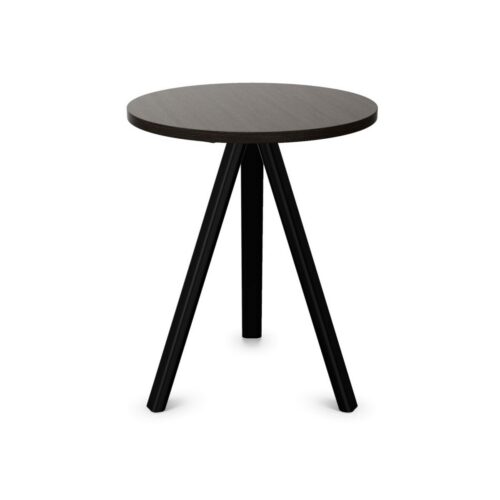
Lounge Furniture: Silver base material, Brown surface color

lounge furniture with silver bases and brown surfaces brings together a brown main surface and a distinct silver base detail. For a workplace lounge or reception setting, the planning question is how these elements divide attention. A deeper brown may establish a pronounced area of color, while a lighter brown can sit closer to neighboring neutrals. The silver base should be assessed as part of that relationship, particularly where it remains visible around the edges of the seating group.

Use the existing interior to set a clear direction for lounge furniture with silver bases and brown surfaces. Identify whether the brown should connect with nearby colors or provide a separate focal area. Then compare the complete forms from the entrance and from adjoining spaces. This approach helps distinguish a coordinated lounge from a collection of individual pieces that happen to share similar colors.

7 models
From €5.17 p/m

Coordinating Lounge Furniture With Silver Bases and Brown Surfaces

Brown deserves a specific place in the room palette. Decide whether it will be the main contrasting color, a bridge between existing tones, or a repeat of an established color elsewhere. Each role changes how much brown the lounge should contribute to the overall view.

Assess the silver base at the same time. If nearby details also have a silver appearance, consider whether repeating that note strengthens the composition. If silver appears only in the lounge, make sure its visual separation feels intentional from the principal approach.

Distinguish Warmth, Depth and Contrast

Compare brown surfaces against the actual surrounding colors. A reddish brown and a more neutral brown can create quite different relationships with the same floor or wall finish. Descriptions alone are insufficient for deciding whether two browns work together; view representative samples together where possible.

With lounge furniture with silver bases and brown surfaces, also judge the contrast within the furniture itself. Look at the boundary between the brown surface and the silver base. Decide if you want that separation to be an obvious feature or a smaller supporting detail in the room.

Arrange the Lounge Around Its Social Role

A reception lounge and an informal team discussion area can share a palette while needing different arrangements. Establish who approaches the group, where they pause, and which direction the seating should address. Draw clear access routes before refining the visual composition.

Review lounge furniture with silver bases and brown surfaces as a group from those approach points. Check whether the brown areas form a balanced composition and whether exposed bases repeat coherently. Avoid letting a color match dictate the arrangement when it leaves an awkward entry or turns the group away from its intended point of attention.

Connect the Lounge to Adjacent Spaces

At the boundary between a lounge and another workplace area, compare the complete view across both spaces. Brown can repeat an existing color without needing every nearby element to match. Choose which relationship matters most, then allow secondary details to support it.

Evaluate lounge furniture with silver bases and brown surfaces under the lighting on both sides of that boundary. The same brown may appear different near daylight and farther inside. Before finalizing the scheme, check the principal views, the brown undertone, the visible silver details, and the circulation around the group. These priorities provide a practical basis for comparing designs without assuming that color alone determines suitability.

Frequently Asked Questions

Does brown need to match every nearby brown?

No. Establish whether the lounge should repeat an existing tone or introduce a deliberate variation. Compare browns together and look for a clear relationship in undertone or depth, rather than an uncertain near match.

Where should the silver base be assessed?

Assess lounge furniture with silver bases and brown surfaces from entrances, circulation routes, and the sides of the seating group. Base visibility can differ substantially between these views, changing its role in the overall composition.

How can the combination suit a formal reception?

Use a clear arrangement, consistent color relationships, and an obvious approach to the seating. Assess how the brown and silver relate to the reception interior as a whole, rather than assuming either color establishes formality by itself.

Explore related selections