



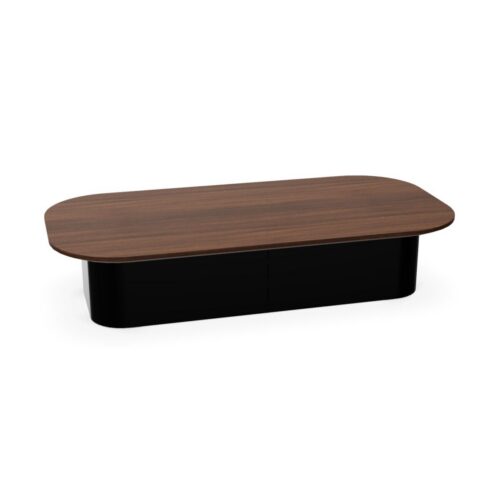


Place lounge furniture with steel bases and transparent surfaces
Start by identifying what will sit behind and beneath the transparent areas from the room's main viewpoints. A background that appears orderly from the entrance may look quite different from an adjoining corridor. Review the arrangement from each relevant approach and from within the lounge itself. Consider neighboring furniture, floor patterns and necessary room equipment as part of those views. The purpose is to understand the complete composition before settling on placement, since the transparent surfaces allow several visual layers to occupy the same line of sight.
Give the visible base enough attention
The steel base deserves direct assessment where transparency leaves its outline exposed within the view. For lounge furniture with steel bases and transparent surfaces, compare the base's visible shape and finish against the floor and the elements beyond it. Steel establishes the material without specifying those visual details. Look at whether neighboring base outlines overlap from the main approach, creating a more complicated composition than expected. Adjusting the arrangement may clarify those relationships without requiring every piece in the lounge to share the same visual treatment.
Keep boundaries and routes apparent
Assess how clearly the transparent furniture is perceived against its intended surroundings. Do this under the lighting that will be used in the room, including views from circulation routes. The visual relationship between edges, bases and background should be reviewed directly rather than assumed from the surface description. Keep the route through the lounge distinct from the furniture arrangement, and examine approaching viewpoints where several transparent areas overlap. This is a practical layout review: it establishes how the complete setting reads in its actual context.
