

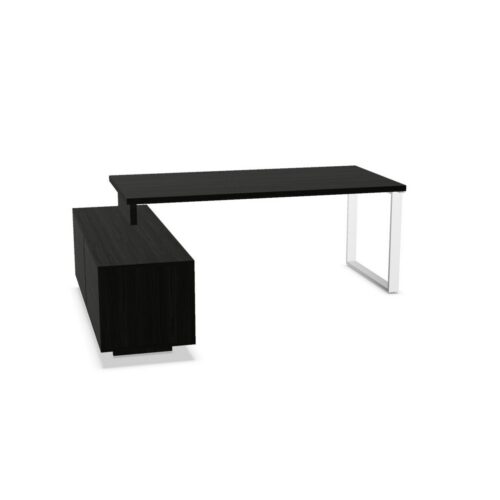
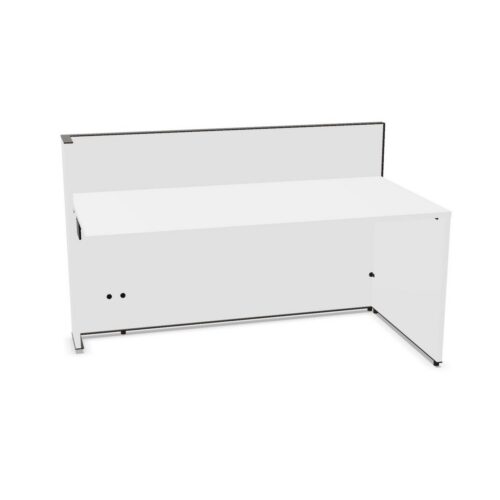
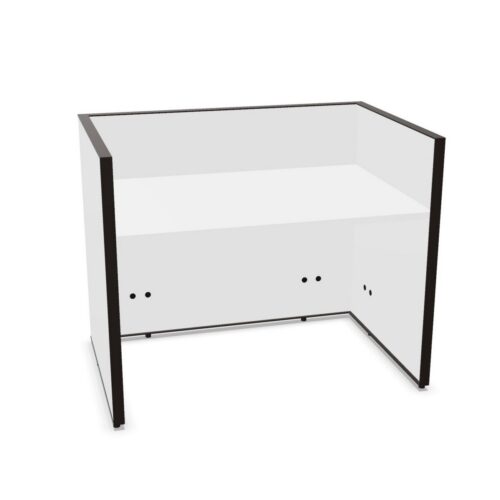
Lounge Furniture With Corner Tops and Metal Bases

lounge furniture with corner tops and metal bases needs careful assessment of orientation within the seating area. The corner top shape makes the actual outline and its relationship to adjacent seats central to the layout, while the metal base must be reviewed as a separate part of the complete form. Begin by confirming the intended top shape rather than assuming a particular corner angle, handedness, or arrangement. These details determine how the table can relate to its surroundings.

A corner-shaped top may be considered where a lounge arrangement changes direction or where a table needs a defined relationship with adjoining seats. Test that relationship on the room plan before assigning the piece to a residual space. Check the approach to each seat and the route around the group. The combination deserves a planned position based on its actual form, with equal attention to the tabletop and the visible base.


Orienting lounge furniture with corner tops and metal bases

Begin with a clear view of the intended top outline. Establish which parts face the seating and which parts face the surrounding room. A corner designation does not confirm that every orientation is equivalent or that the table can be reversed. Place the actual outline on the room plan and compare the possible relationships with neighboring seats. Pay particular attention to the point where the seating arrangement changes direction. That junction needs to work for people approaching and leaving the group, as well as forming a coherent composition from the entrance.

Assess the corner as occupied space

A corner in the room is not automatically a suitable location for a corner-shaped tabletop. Review what already happens there, including routes between adjoining areas and access to nearby seating. Consider whether the table would become part of the main group or remain visually detached from it. If walls define the location, confirm how the actual outline relates to them without assuming an exact fit. Use the room plan to assess the whole piece in position. An apparently unused area may still play an important role in movement around the lounge.

Review the base at the seating junction

For lounge furniture with corner tops and metal bases, the base position is especially relevant where seats meet or change direction. Metal identifies the material but says nothing about the footprint or arrangement of supports. Confirm those details and include them in the layout review. Examine the relationship between the base, the top edges, and the neighboring seating positions. A view from above establishes the outline, while standing and seated views show how the complete table relates to the group. Use both before deciding on its final orientation.

Give each approach a clear route

Trace how someone reaches every seat beside the proposed table position. Check the route from the main entrance as well as approaches from the sides of the group. Do not rely on an open route shown in an otherwise empty room plan; consider the neighboring seats as occupied positions. Review the table's complete outline wherever people change direction around it. Once those approaches are clear, assess the visual composition again. The corner form should have an understandable relationship to the seating rather than appearing to fill an awkward gap left by other furniture.

Frequently Asked Questions

Is a corner top necessarily intended for a room corner?

No particular placement follows from the name alone. Assess the actual outline against the seating arrangement and circulation. A room corner may be suitable, but the relationship with walls and nearby seats needs to be checked directly.

Can a corner-shaped table be turned the other way?

Confirm the actual form before deciding. For lounge furniture with corner tops and metal bases, orientation depends on the top outline and base arrangement. The shape designation does not establish reversibility or suitability for every seating junction.

What should be reviewed where seating changes direction?

Check the table outline, base footprint, and approaches to the adjacent seats together. Consider how people enter and leave that part of the group. Then review the complete arrangement from the room's main viewpoint to confirm a deliberate relationship.

Explore related selections