

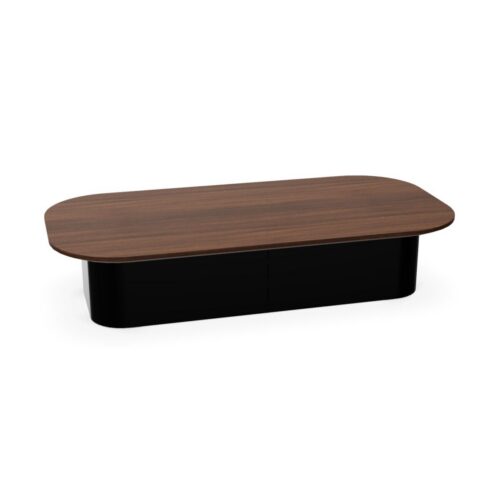
Lounge Furniture With Oval Tops and Metal Bases

lounge furniture with oval tops and metal bases brings a curved tabletop outline into workplace seating arrangements. The oval shape creates a clear relationship between the table’s longer direction and its rounded ends, while the metal base introduces a separate form to assess beneath it. Start with the seating group and decide how the table’s main axis should relate to the people around it. Confirm the actual base position rather than assuming it follows the center of the top.

Oval tables can be considered within facing seating arrangements, beside a sofa, or within a more varied lounge group. Each setting requires its own review of approach routes and the relationship between seats and tabletop. Compare the complete outline in the intended position, including both ends, before judging the arrangement from a single viewpoint. The useful question is how the shape fits the group’s activity and circulation.

€7.61 p/m
€7.89 p/m
2 models
From €12.40 p/m
7 models
From €17.65 p/m
3 models
From €3.34 p/m
7 models
From €4.84 p/m
3 models
From €7.20 p/m

Positioning lounge furniture with oval tops and metal bases

Establish the table's main axis in relation to the seating. In a facing arrangement, compare how the longer direction relates to the seats on either side. In a mixed group, consider whether the table should follow one dominant seating line or occupy a position between several forms. Review both rounded ends as part of that decision. They remain part of the occupied floor area even when the center of the table seems well placed. Use the actual outline on the room plan to compare orientations before settling on a final composition.

Review access around the complete curve

Trace the paths around the oval rather than judging circulation from its middle alone. Pay attention to the points where people turn toward a seat or pass from one side of the group to the other. A curved outline does not establish suitability for a particular route, so assess the actual form in context. Include the neighboring furniture and consider how the approach changes when seats are occupied. Review views from the entrance as well, since the table may appear differently when seen along its longer direction than when viewed across it.

Assess the metal base independently

When comparing lounge furniture with oval tops and metal bases, confirm the base footprint and its position beneath the top. The oval shape does not establish a central support, and the metal material does not establish a particular finish or geometry. Examine the actual base from the seating positions around the table. Then check its relationship to the approach routes and to the top's complete outline. If several tables will share the lounge, assess their bases together so any visual repetition or variation is deliberate and based on their confirmed forms.

Connect table placement to the seating purpose

For a lounge used for conversation, consider how each seat relates to the table and to the other people in the group. Avoid letting the table's axis determine the seating arrangement before the intended activity is clear. In a visitor waiting area, the arrival route and relationship to reception may take priority. Compare these practical requirements with the proposed oval position, then review the group from its main approaches. The result should be an arrangement in which the tabletop outline, base position, and seating orientation have been considered together throughout the planning process.

Frequently Asked Questions

Should an oval table follow the direction of a sofa?

That is one arrangement to assess. Compare the relationship with all surrounding seats and check the routes around both ends. The best orientation for the room depends on the complete seating group rather than the sofa line alone.

Does an oval top imply a central metal base?

No. When assessing lounge furniture with oval tops and metal bases, confirm the actual base form and position. Top shape and base material do not establish support geometry, so include the complete base footprint in the layout review.

Which parts of the oval need particular layout attention?

Review both ends, the curved sides, and the positions where people approach nearby seats. Check the complete outline against surrounding furniture and circulation. A centered placement within the group does not by itself establish that every approach works equally well.

Explore related selections