






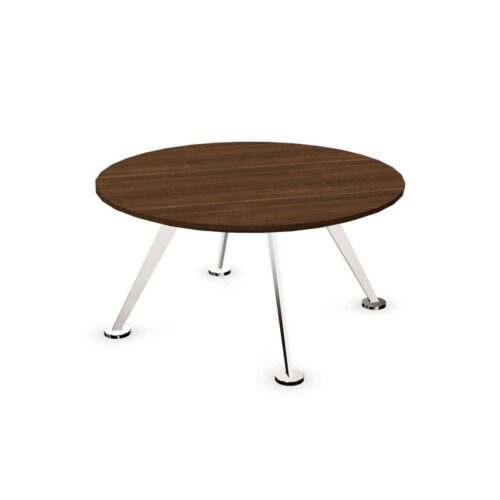


Arrange lounge furniture with square tops and metal bases
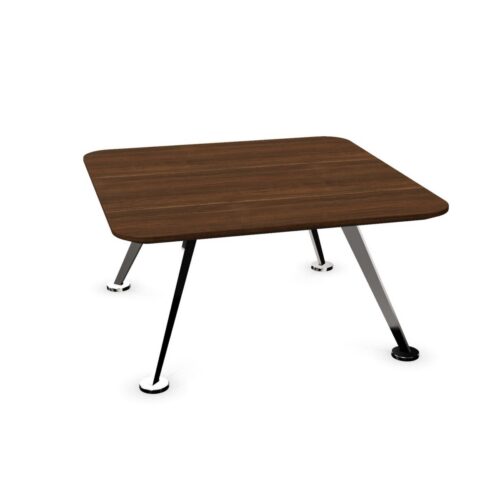
Choose the line that should organize the seating group. It might be the front of a sofa, a nearby wall, or the direction of the main passage. Aligning a square top with that reference gives the arrangement a readily understood structure. Turning the top creates a different relationship, bringing corners toward the surrounding seats. Neither approach is automatically preferable. Compare both within the intended room, and judge how each orientation supports access to the surface and movement around the furniture.
Place corners with a clear purpose
The corners deserve their own review because they are the parts of the outline that project between adjacent edges. Check where they fall beside seat entrances and along routes people use to leave a conversation. Avoid judging the table only from a frontal view, where those relationships can be difficult to see. Look diagonally across the group as well. A small change in orientation may alter which corner faces a passage, even when the table remains in the same general position.
Connect the metal base to the overall composition
The base contributes to the table's appearance below the square surface. Compare its actual outline with the straight lines above it and the surrounding seating. Metal alone does not indicate whether the support is centrally arranged, spread across the underside, or visually prominent. Establish those details from the individual design. Where the underside remains visible from an entrance, assess it as part of the room's composition. Where seats partly obscure it, check the relationship from seated positions as well.
