

Lounge Furniture With Oval Tops and Blue Bases

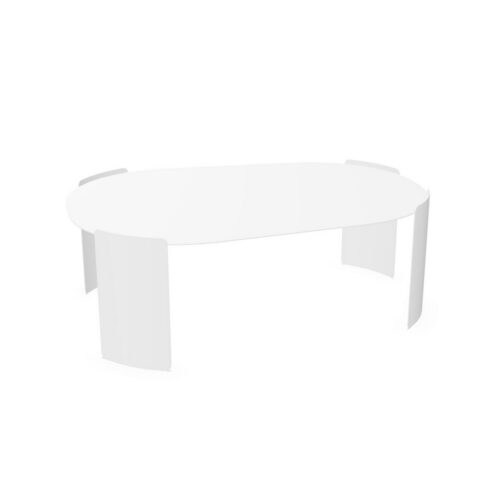
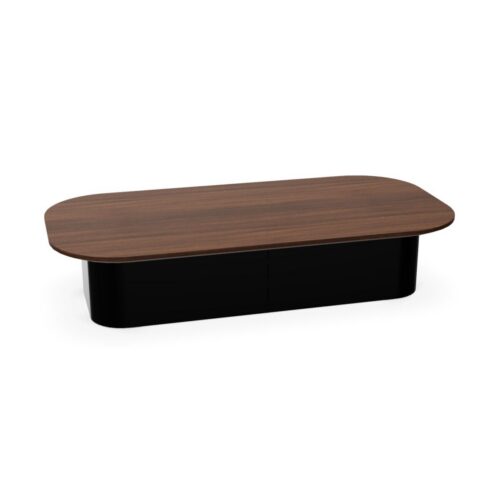
Lounge furniture with oval tops and blue bases combines an elongated, curved tabletop outline with color beneath the surface. This pairing is useful to consider for a lounge organized around a sofa, facing seats or a seating group with a clear lengthwise direction. The oval shape introduces curved ends, while the blue base adds a separate visual element below. Their relationship depends on the surrounding furniture and the viewpoints from which the group is most often seen.

Compare lounge furniture with oval tops and blue bases by starting with the seating arrangement, rather than choosing the color in isolation. An oval top has a directional axis even though its perimeter is curved. Its position should respond to the seats and nearby circulation. Then assess whether the blue base should be noticeable on arrival or become a quieter detail within the group. This sequence helps connect the combination to an actual workplace setting.

7 models
From €17.65 p/m
3 models
From €12.14 p/m
18 models
From €7.07 p/m
2 models
From €12.81 p/m
7 models
From €6.40 p/m
7 models
From €4.84 p/m
5 models
From €13.43 p/m
2 models
From €19.02 p/m
4 models
From €0.02 p/m
3 models
From €40.14 p/m
3 models
From €7.20 p/m

Arranging lounge furniture with oval tops and blue bases

Use the oval's lengthwise direction as the starting point for the layout. Relate it to the main seating line, then examine how the curved ends sit beside the routes around the group. An oval outline does not establish that circulation will work in every position. Nearby seats, doorway approaches and people standing up all affect the usable arrangement. Review the top from each seat rather than relying on an overhead view. This shows whether the surface feels appropriately placed within the group and whether its direction follows the intended organization of the lounge.

Balance a directional top with visible color

The shape and base color can perform different visual roles. In lounge furniture with oval tops and blue bases, the top may establish the direction of the seating group while the blue draws attention lower down. Decide whether that lower accent should align with other visible details or stand apart from them. A repeated blue can connect separate parts of a room, but an exact match should be assessed directly. Also check how much of the base remains visible behind the seats. A color decision made in isolation may have little effect once the complete arrangement is in place.

Check the ends as carefully as the sides

Planning often focuses on the seats alongside an elongated table, leaving its ends as an afterthought. Instead, review what happens beyond each curved end. There may be an approach to a seat, a route between lounge groups or a transition toward another workplace area. Check these relationships with the seating occupied. Curvature describes the outline; it does not guarantee that every passage will be appropriate. If the lounge is viewed from several directions, compare those views before fixing the position. The oval should have a clear relationship to the room rather than appearing accidentally rotated.

Coordinate the group without repeating every shape

Lounge furniture with oval tops and blue bases does not require an entirely curved room scheme. Compare the oval with the existing seating lines and architectural setting, then decide where contrast is useful. Repeating the curve in every nearby element can make coordination unnecessarily restrictive. The same principle applies to blue: establish a reason for its presence without assigning it to every furnishing. Review the whole group from the main approach and from the seats opposite. The strongest arrangement is the one in which the tabletop direction, visible base color and surrounding seating read as deliberate choices.

Questions about oval tops and blue bases

Should the oval follow the main sofa?

That is a useful starting arrangement, but it should be tested against the complete seating group. Check the relationship to opposing seats and the routes beyond the curved ends before deciding that the main sofa should determine the final orientation.

Can blue remain a small visual detail?

Yes. Its prominence depends on the visible base, the surrounding colors and the viewing position. Review the assembled seating arrangement to judge its role. There is no need to repeat blue throughout the lounge simply because it appears beneath the top.

How can different arrangements be compared fairly?

Keep the seating positions consistent while assessing lounge furniture with oval tops and blue bases. Compare the direction of the top, access around its ends and the visibility of the blue accent from the same viewpoints for each arrangement.

Explore related selections