

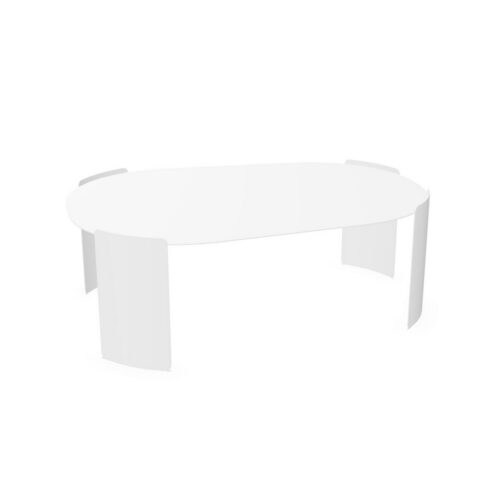
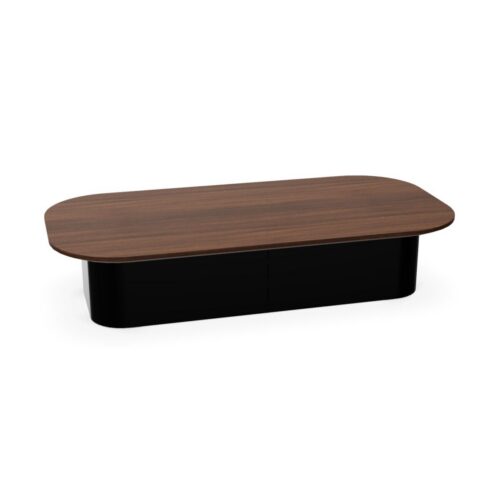
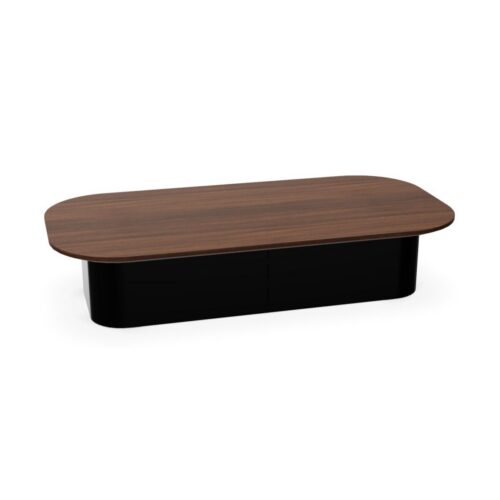
Lounge Furniture With Oval Tops and Black Bases

lounge furniture with oval tops and black bases combines a curved top outline with a defined base color for workplace lounge tables. The oval form introduces a directional shape without rectangular corners, while the black base creates a separate visual relationship with the floor. Assess both within the seating plan, particularly where people use the table from different positions around the group.

Begin by deciding how the oval should be oriented in relation to the main seating line. Then review its curved ends beside the routes into and around the lounge. The outline alone does not establish whether the arrangement works: the base position and the table’s relationship with each seat also matter. Compare the complete piece within the intended setting before extending the same shape and color combination across other seating areas.

€7.61 p/m
€7.89 p/m
2 models
From €38.54 p/m
2 models
From €12.40 p/m
5 models
From €3.96 p/m
7 models
From €17.65 p/m
5 models
From €11.77 p/m
8 models
From €6.58 p/m
3 models
From €5.19 p/m
2 models
From €7.56 p/m
3 models
From €3.34 p/m
3 models
From €99.15 p/m
3 models
From €101.58 p/m
2 models
From €45.78 p/m
16 models
From €61.19 p/m
7 models
From €60.20 p/m
11 models
From €69.03 p/m
3 models
From €12.14 p/m
18 models
From €7.07 p/m
2 models
From €12.81 p/m
7 models
From €6.40 p/m
7 models
From €4.84 p/m

Arranging lounge furniture with oval tops and black bases

Use the oval's direction as an active part of the layout. Aligning it with the main seating line creates a different relationship from placing it across that line. Decide which positions the table should serve, then compare the orientation against those intended uses.

Review the whole outline, including the curved ends. Their position affects the space between the table and neighboring furniture, so avoid assessing the central area alone. Keep the black base in the plan throughout this process. Its placement below the top is a separate consideration and cannot be inferred from the oval shape.

Evaluate access around the curved perimeter

Check how people approach the seating and move past the table. An oval outline has no rectangular corners, but that fact does not establish adequate circulation. The complete arrangement still needs to account for the top perimeter, the base and the position of adjacent furniture.

Review each intended seating position in turn. The relationship with the top changes around an oval, especially between its sides and ends. Decide whether those differences suit the group you are planning. If the table moves or changes orientation during the comparison, reassess the surrounding routes rather than assuming the earlier arrangement remains applicable.

Balance the oval outline with black below

When selecting lounge furniture with oval tops and black bases, compare the visual emphasis of the two parts. The top provides a curved outline, while the black base may create a stronger or quieter contrast with the floor, depending on the room's colors.

View the table from the entrance, from nearby circulation routes and from within the seating group. Consider whether the base connects with other black elements or stands as a separate detail. Repetition can be useful when it has a clear purpose, but matching the base color does not remove the need to assess the shape and placement of each table.

Coordinate shape across different seating groups

An oval format can become a repeated reference across a lounge without requiring identical arrangements. Establish a consistent reason for its orientation, such as following the main seating direction, then adapt that principle to the layout of each area.

Compare the neighboring forms as part of the composition. Curved table outlines can sit alongside straight seating lines, but the relationship should be assessed in the complete plan. Check where each group's edges meet shared routes and how clearly the table belongs to its intended seats. A consistent black base color can connect the groups visually while their placement responds to different settings.

Frequently asked questions

Should an oval top follow the main seating line?

That is a useful option to compare, but it is not a fixed rule. Choose the orientation according to the seats the table should serve and the routes around the complete arrangement.

Does an oval top automatically improve circulation?

No. Its curved perimeter still occupies space. Assess the full outline, base position and surrounding furniture together to determine whether the planned routes work for the lounge.

What should stay consistent across several groups?

With lounge furniture with oval tops and black bases, repeat the color relationship or the principle used to orient the top. Adapt each arrangement to its seating positions and surrounding routes rather than copying placement without review.

Explore related selections