


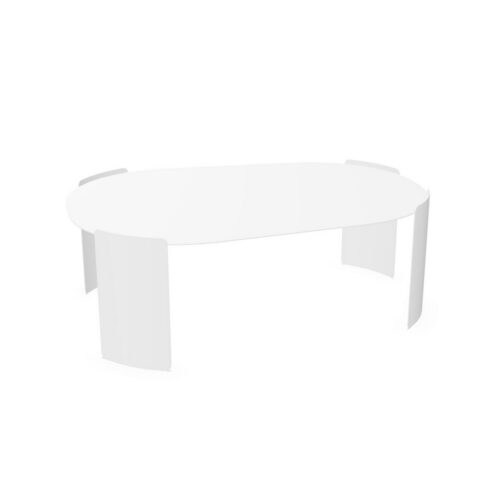
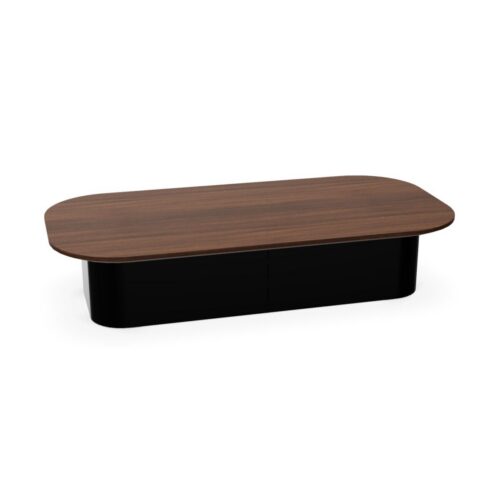


Placing lounge furniture with oval tops and green bases
Establish the direction of the seating group before positioning the oval. Its lengthwise axis can follow the main sofa or respond to a facing arrangement, but the decision should account for the whole group. Review the seats at either end as carefully as those along the sides. An apparently balanced plan can still leave different positions with very different relationships to the surface. Check the proposed placement from seated viewpoints and the main approach. This gives the curved outline a clear role within the lounge before the green base is coordinated with the wider room.
Review the transition beyond each curved end
For lounge furniture with oval tops and green bases, the spaces beyond the ends often determine how the group connects to adjoining areas. Identify whether those spaces are used to approach seats, pass between groups or continue toward another room. Curvature alone does not establish that those movements are appropriate. Review the arrangement while the seating is occupied, including places where people stand to leave. Keep the table visually connected to the group while allowing the surrounding routes to remain understandable. The preferred position should account for the lounge as a place within a larger workplace plan.
Coordinate green across changing viewpoints
A green base may be seen against different backgrounds as someone moves through an open workplace. From the main route it might appear against seating, while the seated view may place it against the floor. Compare those views before deciding how closely it should relate to other greens. If the lounge is intended to connect with an adjacent area, assess the colors from the point where both are visible together. If green is a local accent, keep its role clear within the immediate group. Neither approach requires repeating the color in every surrounding furnishing.
